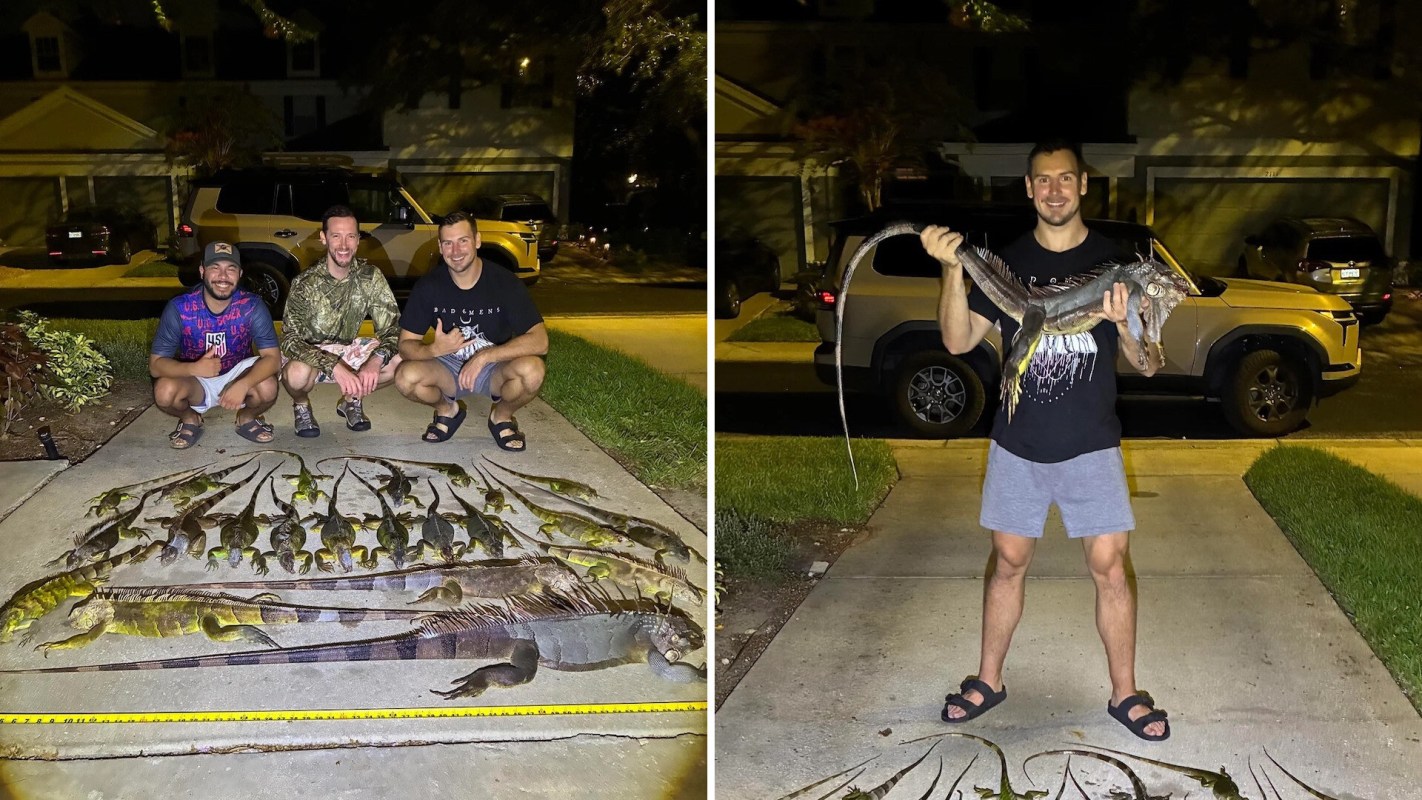
A Southwest Florida iguana hunt is drawing attention not only because of the number of invasive animals removed, but also because of the debate it sparked over how invasive species should be managed.
The original poster said their group dealt with 22 green iguanas in a single outing, including "this 12-pound five and a half foot behemoth." The post turned into a discussion about humane removal and environmental stewardship.
Here's what to know
In a post on Reddit, the original poster laid out several reasons they view green iguanas as a significant Florida nuisance.
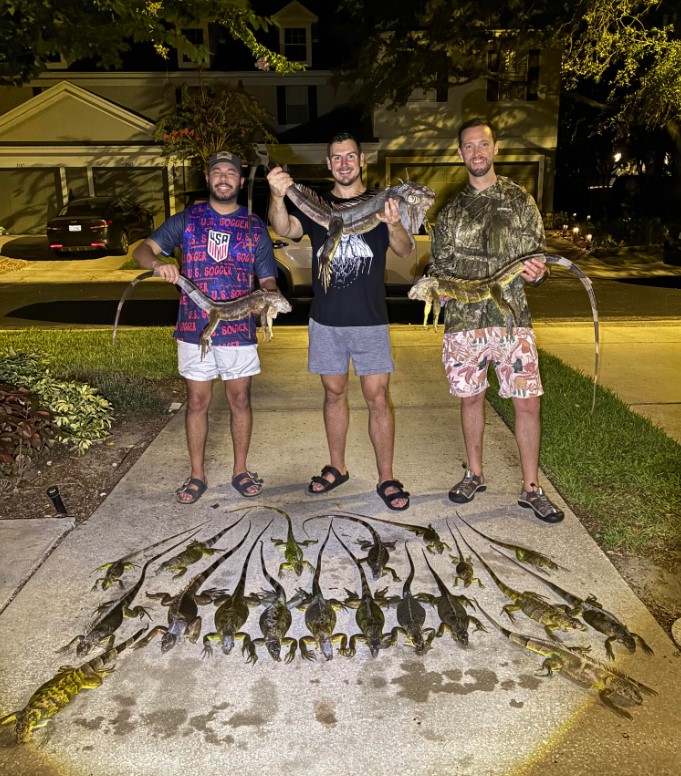
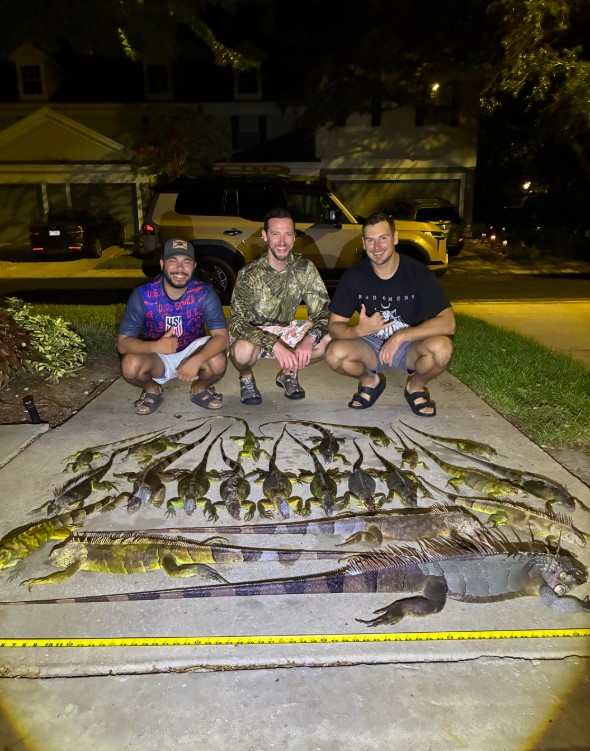
"Green Iguanas are an invasive species in Florida," the poster wrote. "Their burrowing collapses and erodes sidewalks, canal banks, seawalls, and building foundations."
The poster also raised sanitation and health concerns, writing that iguanas "poop all over docks, decks, and in swimming pools," and that "the poop carries salmonella which is dangerous to children and pets."
Ecological impacts were another part of the case, with the poster saying the reptiles "eat native plants (including endangered species food sources) and compete with native wildlife like burrowing owls."
TCD Picks » Quince Spotlight
💡These best-sellers from Quince deliver affordable, sustainable luxury for all




"We humanely euthanize iguanas using high-powered air rifles and single precise shots [to] the head. I eat all of the iguanas I hunt, so they don't go to waste."
More background
One commenter praised their humane hunting efforts: "Glad you cull them humanely. I see people mistreating them just bc they're invasive. Yes, they have to go, but that doesn't mean you shouldn't be humane."
Another commenter added, "Yup, it's not their fault that they're there and thriving. We just have to be humane but do our jobs as stewards of our environment."
At the same time, removing invasive animals in unsafe or reckless ways can create additional problems, especially in residential areas.
The thread also talked about why bounty systems for removing invasive animals can actually be harmful instead of helpful.
The original poster warned, "Often those bounties backfire because people actually breed the animals for the bounty," while another commenter said some Miami-area cities had tried iguana bounties, but that the effort ended with inexperienced people firing unsafely in public and alarming residents.
What can be done?
Humane practices and safe removal methods are especially important in suburban and waterfront neighborhoods, where people, pets, and property are often in close proximity.
Local wildlife rules, property concerns, and public safety risks can all come into play.
The original poster mentioned cooking iguana meat, writing, "The iguana meat is really mild and doesn't taste like much on its own, so it's super versatile," offering one example of how some hunters see invasive species removal as both pest control and food sourcing.
Where can I learn more?
For more on how Florida and other places are handling invasive reptiles, these stories offer a broader look at the debate.
• Florida wildlife officials support the continued removal of green iguanas damaging seawalls and yards.
• A South Florida resident works to eliminate invasive species after watching iguanas prey on native birds.
• Months after a cold snap, invasive iguanas were tearing up South Florida yards again.
• In Taiwan, officials moved to raise the bounty as green iguanas ravage farms and neighborhoods.
• Florida expanded a competition with cash prizes to kill pythons spreading through the Everglades.

Get TCD's free newsletters for easy tips, smart advice, and a chance to earn $5,000 toward home upgrades. To see more stories like this one, change your Google preferences here.