


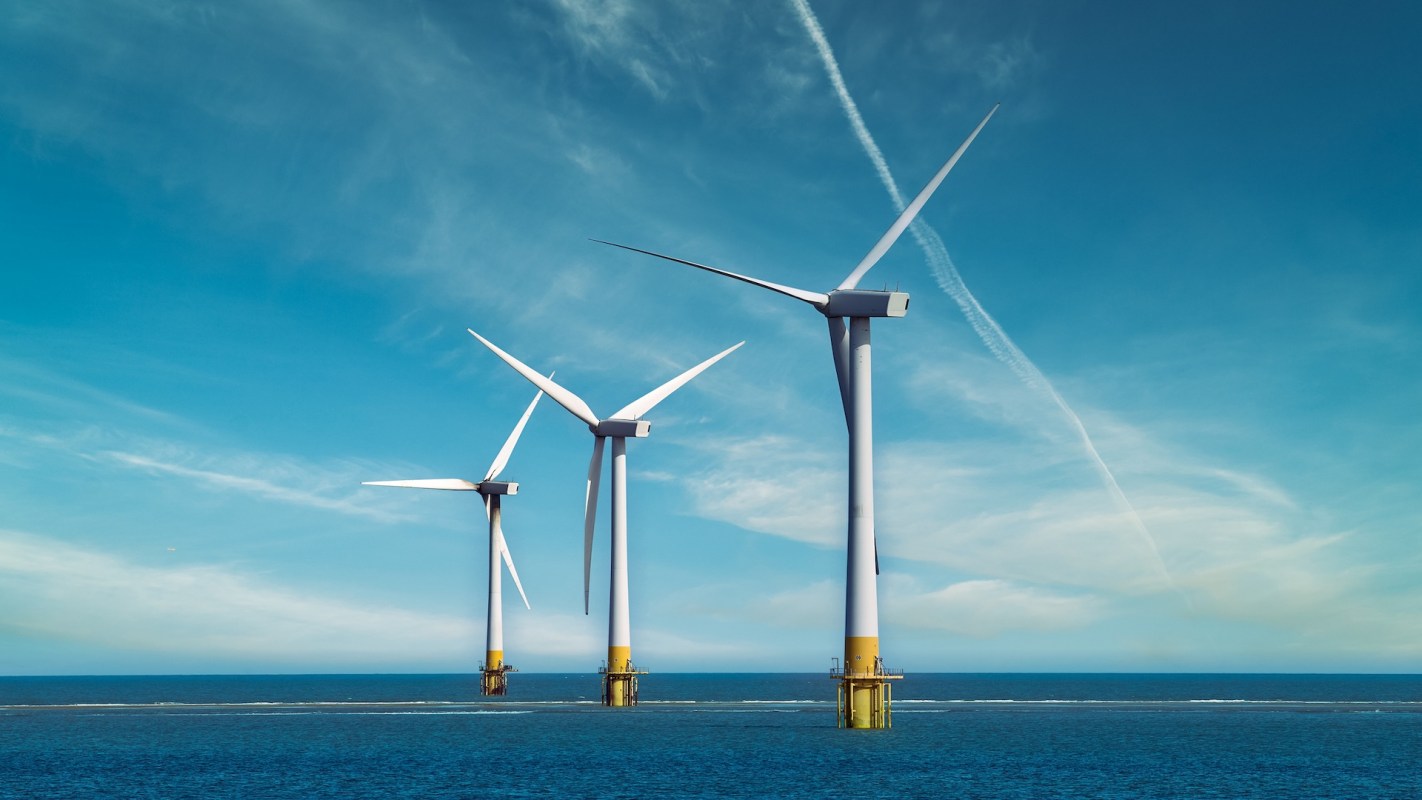
A growing legal fight over offshore wind could have consequences far beyond the coastline.
California and New York are challenging President Donald Trump's administration over its efforts to pay energy companies to cancel projects, arguing the move could leave families with higher power bills and fewer clean energy options, ABC News reported.
Here's what to know
At the center of the dispute is the federal government's move to disrupt offshore wind projects that had already cleared approvals.
California Attorney General Rob Bonta and New York Attorney General Letitia James have sued over that effort, and the administration said in June it would repurchase Invenergy's offshore wind lease holdings tied to four projects on the East and West coasts.
James also led seven states in a court challenge aimed at two proposed project cancellations.
That filing seeks to block both the Invenergy deal and another proposal involving Bluepoint Wind, which agreed in April to halt a wind farm being developed off the coast of New York and New Jersey.
TCD Picks » Quince Spotlight
💡These best-sellers from Quince deliver affordable, sustainable luxury for all




The states maintain that the agreements are unlawful and come with a steep price tag.
The two deals alone would direct $1.4 billion in taxpayer funds to energy companies for projects that would be canceled, while the administration has promised nearly $4 billion in total to companies exiting projects across the country.
James said struggling households would feel the fallout.
"Americans are facing increasing energy costs because this administration would rather pay off energy companies than let us build the new power sources we need," she stated.
More background
Trump's opposition to offshore wind projects is part of a broader fight over the country's energy direction.
He has repeatedly attacked wind power and asserted he does not want any more "windmills" built, while his administration continues to favor fossil fuels.
Offshore wind generates electricity without the planet-warming pollution produced by burning oil, coal, and natural gas.
When clean energy projects are canceled after receiving approval, states lose a major tool for meeting rising electricity demand without locking in even more pollution.
Citing remarks carried by ABC News, Bonta acknowledged that California's status as a climate leader has not spared it from "avoidable and unnecessary battles with our own federal government" as it works to advance climate action and move toward clean energy.
What's being done?
The biggest developments are unfolding in court.
California, New York, and other states are trying to block the buybacks and preserve projects they consider important to both affordability and climate progress.
They argue that if the federal government pays companies to abandon approved clean energy developments, states stand to lose capacity they counted on to meet growing energy demand.
Speaking at a Climate Week event in New York City, Bonta warned that climate action needs to match the "scope, speed, and scale of the problem."
James framed the issue as immediate for families already battling high day-to-day expenses.
"These illegal backroom deals take money that should have gone toward lowering New Yorkers' bills and hand it to fossil fuel projects in other states," she said.
Where can I learn more?
The fight over offshore wind also reaches into lease buybacks, federal leasing policy, and state efforts to keep projects alive. These articles track the lawsuits, payout plans, and leasing restrictions.
• California vowed to sue over Trump's offshore wind deal as oil and gas interests profited.
• New York and neighboring attorneys general called a $928 million payout a "sham deal."
• Interior officials had lined up a $1 billion payout to TotalEnergies before seeking legal cover.

Get TCD's free newsletters for easy tips, smart advice, and a chance to earn $5,000 toward home upgrades. To see more stories like this one, change your Google preferences here.






