


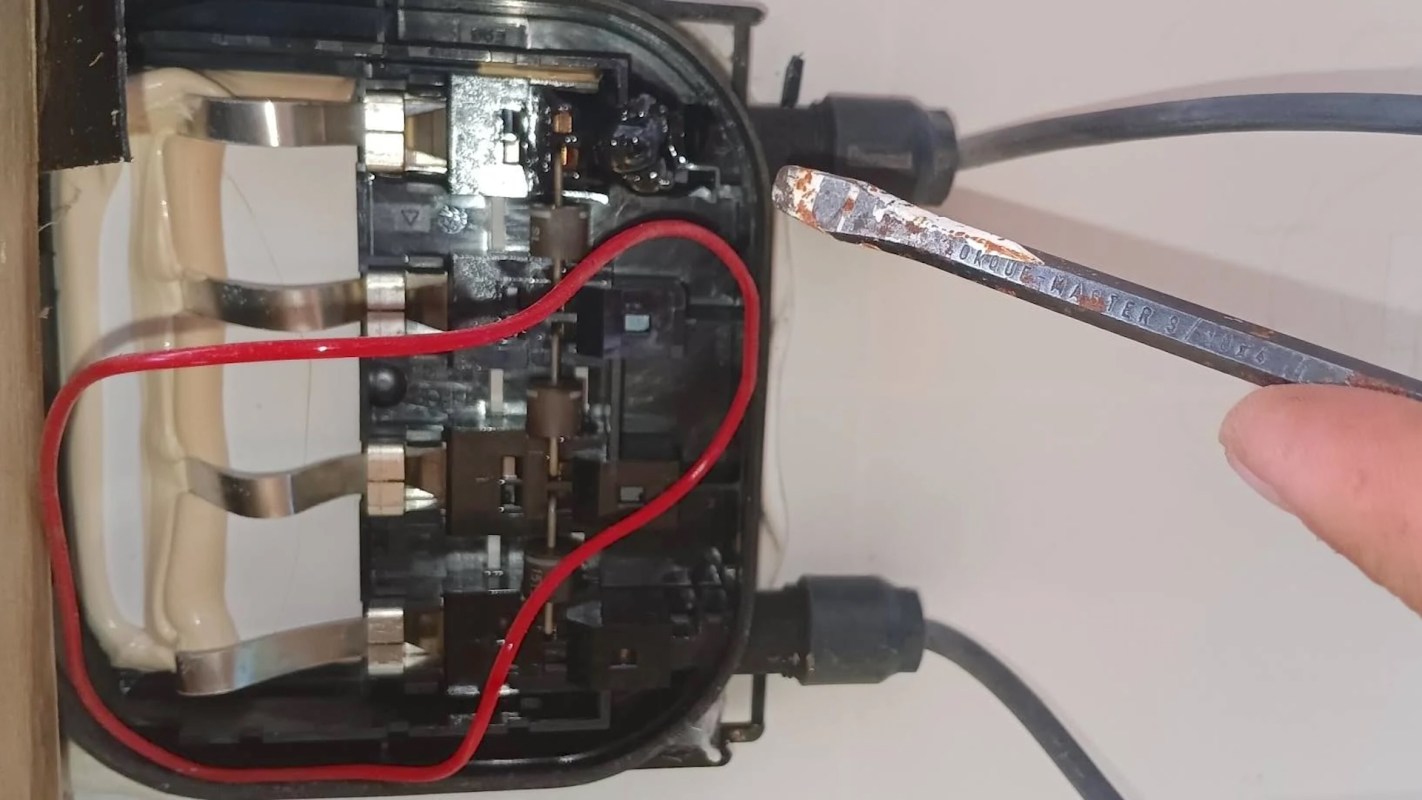
Trouble showed up only after a DIY solar owner expanded an array with two additional panels, with generation dropping sharply and a later inspection revealing that one of the panel ports had melted.
Here's what to know
The poster asked Reddit's r/SolarDIY, "What could have caused this panel port to burn up?" They attached photos of what appears to be a portable solar panel junction box and explained, "[It's] in series [parallel] with 2 strings (6 panels per string) … I added a panel to each string making the total (14) panels total."
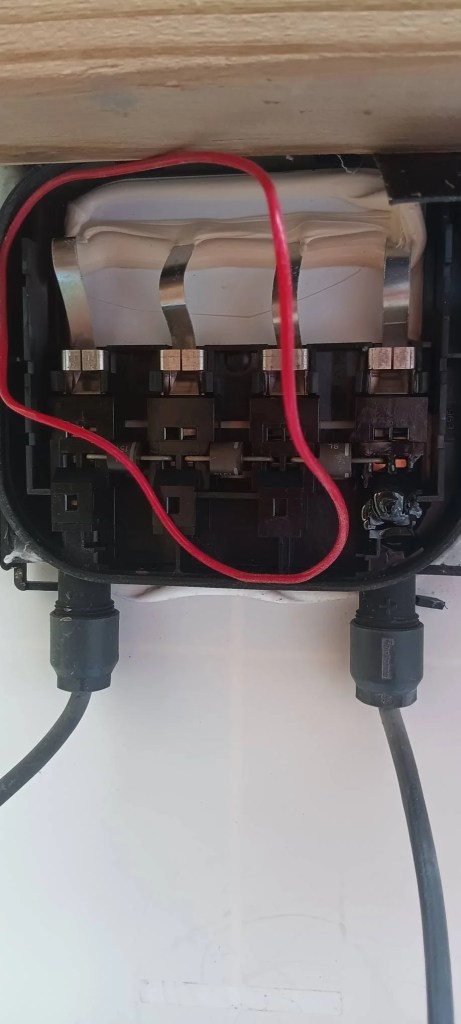
"This is when my power generation was cut in half and one string was generating no power as a result of this burned up port," the original poster added.
The panels were 250W each, and once OP removed the damaged panel from the array, their power returned for both strings.
"Looks like one of the ports melted! Is this salvageable? What could have caused this? Never experienced this before," they added.
One commenter wrote, "Not a good connection, arcs," while another said, "The thing burned because of a loose or improperly tightened connection as electric connections heat up as resistance increases."
OP wondered whether the cable fitting itself had been left too loose, asking, "Would the part you screw in the cable [be] the culprit? Should it have been screwed in more? Wild coincidence if so as this happened after adding 2 new panels."
More background
Melted solar connectors can do more than reduce output. They can waste the electricity a system is supposed to generate, cut into monthly utility savings, and create a more serious safety risk if the heat damage continues to spread.
Save $10,000 on solar panels without even sharing your phone number Want to go solar but not sure who to trust? EnergySage has your back with free and transparent quotes from fully vetted providers that can help you save as much as $10k on installation. To get started, just answer a few questions about your home — no phone number required. Within a day or two, EnergySage will email you the best local options for your needs, and their expert advisers can help you compare quotes and pick a winner. |

Half the array's output was essentially lost until the damaged panel was removed from the system. With the poster saying the panels were rated at 250 watts apiece, a single failed port was enough to take a noticeable chunk of generation offline.
Solar's money-saving benefits depend on safe, properly installed equipment. Going solar is one of the best ways to save money on home energy, and homeowners can try EnergySage to get free solar installation estimates and compare quotes.
What can be done?
Inspect connectors, wire terminations, and enclosure fittings whenever you add or reconfigure panels.
Adding battery storage to a solar setup is one of the best ways to protect your home during outages, save money on energy, and go off-grid. Homeowners can explore EnergySage for information about home battery storage options, including competitive installation estimates.
More From EnergySage
💡Go deep on the latest news and trends shaping the residential solar landscape


Pricing tools can also help you avoid overspending on a new system or expansion. EnergySage's solar map shows the average cost of a home solar panel system by state, along with details on solar panel incentives for each state; together, these resources can help homeowners get the best price for rooftop solar panels and access available incentives.
EnergySage can be especially valuable for people comparing installers, system sizes, and equipment options before making a major purchase. With EnergySage's help, the average person can save up to $10,000 on solar purchases and installations. That kind of savings can make it easier to build a system that reduces bills without unnecessary upfront costs.
Where can I learn more?
Home solar owners have run into plenty of other surprises, from hardware damage to sudden performance swings.
• After a windstorm shattered a 100-watt panel, one owner used a polycarbonate fix to restore output.
• One homeowner endured several attempts to correct a possibly improperly installed rooftop solar array that was scratched up and crooked.
• Another homeowner shared the overwhelming process of installing a DIY solar rooftop system.

Get TCD's free newsletters for easy tips, smart advice, and a chance to earn $5,000 toward home upgrades. To see more stories like this one, change your Google preferences here.






