


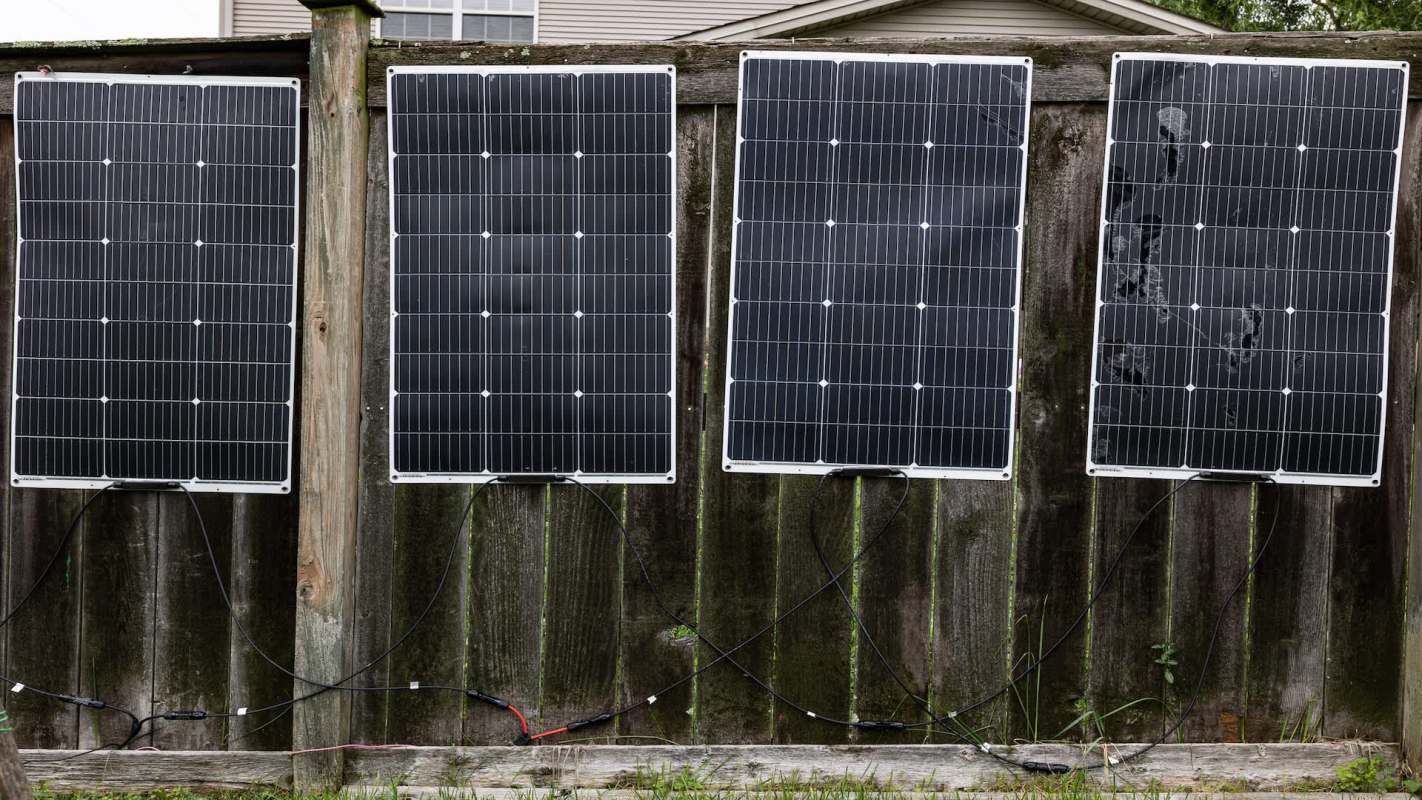
A Reddit post about a DIY solar project highlights a common issue for would-be energy savers: While panels and batteries tend to get most of the attention, the smaller parts can quietly send a budget soaring.
Here's what to know
The shopping list shared on Reddit stretched well beyond the main solar equipment. The poster said they were assembling two identical small systems, one for themselves and one for their mother, and said the project also called for rails, brackets, bolts, breakers, fuse holders, battery cables, MC4 connectors, grounding wire, crimpers, clamps, ferrules, and other add-ons in addition to the panels, batteries, and charge controllers.
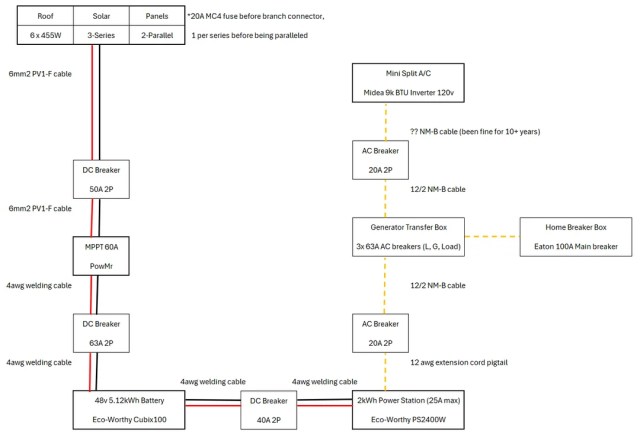
The original poster summed it up bluntly: "The costs don't end with the big stuff. There are sooooo many little things to buy, it's nuts!" The thread quickly filled with commenters saying they had run into the same issue, especially with mounts and copper wiring.
Going solar remains one of the best ways to save money on home energy, but getting the numbers right is key. Homeowners who want to avoid surprise costs can use EnergySage to get free solar installation estimates and compare quotes.
More background
A working solar setup depends on more than the main power equipment, since wiring, disconnects, breakers, mounting hardware, conduit, grounding materials, and the necessary tools also have to be purchased.
Several commenters said those hidden costs significantly changed their budgets. One commenter wrote, "I found it's the mounts that really add up." Another added, "All the copper! That's what struck me. Over $1,000 in PV/THWN wire already and I've got to go buy some more tonight."
Sticker shock can discourage people from pursuing solar altogether, even though lower utility bills can still make it a smart investment. Comparison tools can help. With EnergySage's help, the average person can save up to $10,000 on solar purchases and installations.
EnergySage's solar map shows the average cost of a home solar panel system by state, along with details on solar panel incentives for each state. Together, those resources can help homeowners get the best price for rooftop solar panels and access available incentives.
Save $10,000 on solar panels without even sharing your phone number Want to go solar but not sure who to trust? EnergySage has your back with free and transparent quotes from fully vetted providers that can help you save as much as $10k on installation. To get started, just answer a few questions about your home — no phone number required. Within a day or two, EnergySage will email you the best local options for your needs, and their expert advisers can help you compare quotes and pick a winner. |

What can be done?
Budgeting for the full system, not just the headline components, can help when considering solar. That means accounting for hardware, safety gear, tools, and possible upgrades before deciding whether a DIY route, an all-in-one system, or a professional installation makes the most sense.
Adding battery storage to a solar setup is one of the best ways to protect your home during outages, save money on energy, and go off-grid. It can also make the system more flexible by storing power for when the sun isn't shining. Homeowners can explore EnergySage for information about home battery storage options, including competitive installation estimates.
Some people in the discussion said they didn't regret spending more if they could expand the setup later. A clearer plan upfront can make it easier to avoid budget creep while preserving the savings that make solar so appealing.
As one commenter put it, "I first justified it by looking at just the cost of the MPPT, inverter, and batteries, and after all was said and done I've probably spent twice as much as planned."
More From EnergySage
💡Go deep on the latest news and trends shaping the residential solar landscape


Where can I learn more?
For homeowners weighing whether solar's upfront costs are worth it, these articles offer a closer look. They cover installation pricing, incentives, and the savings rooftop systems can deliver.
• EnergySage leaders say solar pricing gets complicated fast when equipment, labor, and incentives collide.
• One homeowner snagged $10,000 in incentives and cut yearly power bills dramatically.
• In some states, homeowners still save about $700 a year after installation.

Get TCD's free newsletters for easy tips, smart advice, and a chance to earn $5,000 toward home upgrades. To see more stories like this one, change your Google preferences here.






