


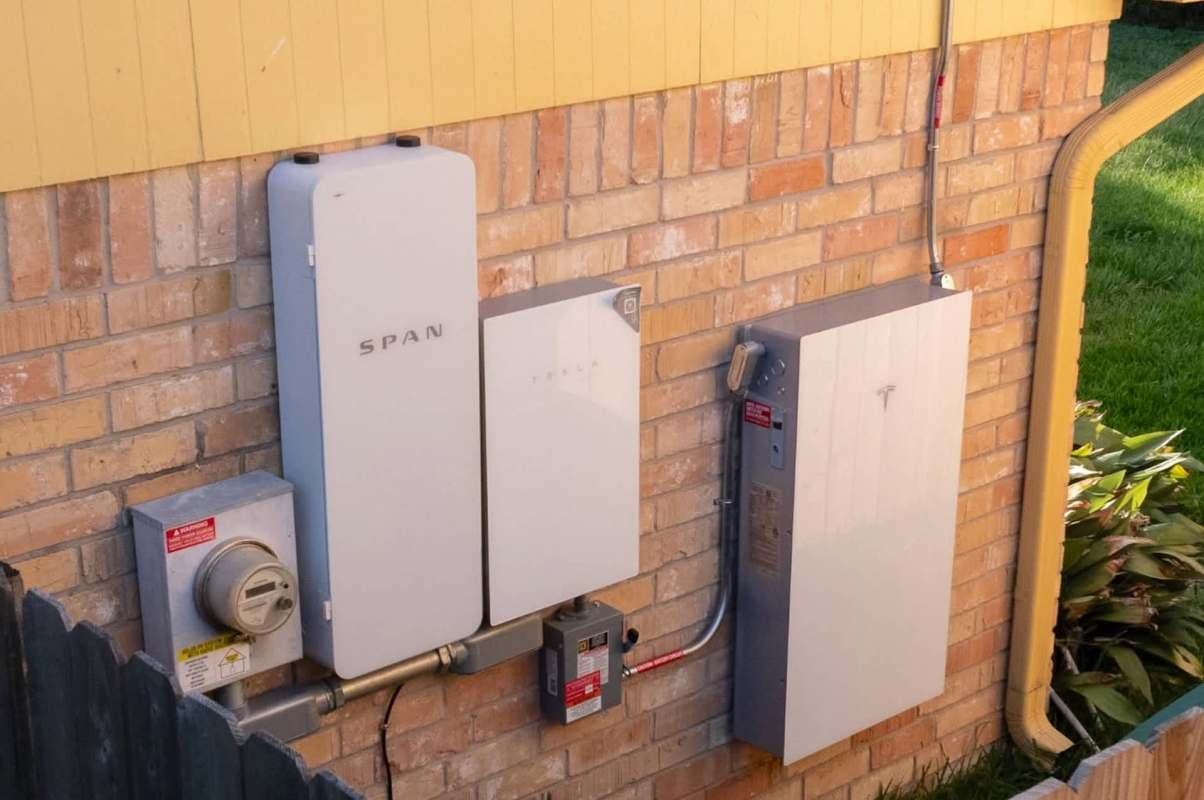
California's power grid got an unusual boost during the September 9 heat wave, when more than 140,000 home batteries from Sunrun and Tesla worked together like a single power plant. Over a three-hour evening window, those systems collectively supplied a record 580 megawatts back to the grid.
Here's what to know
The 580-MW response came from a massive pool of residential storage spread across the state. As Electrek reported, about 110,000 Tesla Powerwalls produced 517 MW, while more than 30,000 other batteries in the fleet supplied the remaining 63 MW, for a total of more than 140,000 home batteries tapped during the heat wave.
During brief periods of intense strain, they can draw from batteries already installed in houses rather than rely only on seldom-used gas peaker plants. According to Electrek, this power reached the grid through California's Demand Side Grid Support program, overseen by the Energy Commission, and the Public Utilities Commission's Emergency Load Reduction Program.
Adding battery storage is one of the best ways to protect your home during outages, save money on energy, and go off-grid. If you're exploring your own options, EnergySage can help you compare home battery storage choices and competitive installation estimates, and EnergySage has teamed up with the electrification brand Qmerit to guarantee you get the best price on home battery storage solutions. Another option is Pila, whose plug-and-play batteries cost a fraction of a whole-home backup system.
More background
Electrek said the combined output was enough to meet Sacramento County households' needs during peak demand. No single plant backed it — no smokestack and no dedicated site of its own.
When a battery is enrolled in a virtual power plant, the utility or program operator can draw some of its stored electricity during the hottest evenings or other grid emergencies. In return, homeowners may receive compensation, while the grid gets a rapid burst of support right when it is needed most.
The dispatches did not end with the first event. According to Electrek, Sunrun delivered another 140-plus MW on September 10 at Southern California Edison's request. The batteries were dispatched on consecutive days to support the grid, not just provide home backup.
What can be done?
For households, a battery is no longer just a personal emergency device. It can keep essential appliances running during outages, help lower electricity costs by shifting when stored power is used, and provide added resilience during heat waves and blackouts.
Save $10,000 on solar panels without even sharing your phone number Want to go solar but not sure who to trust? EnergySage has your back with free and transparent quotes from fully vetted providers in your area. To get started, just answer a few questions about your home — no phone number required. Within a day or two, EnergySage will email you the best options for your needs, and their expert advisers can help you compare quotes and pick a winner. Solar panels can save you more than $50k over their 25-year lifespan, and EnergySage can help you save as much as $10k on installation. Which begs the question — isn't that worth an email or two? |

People who enroll a battery in one of these programs should expect it to be used during the same high-demand periods when the grid is under the most stress. Even so, that coordinated response can improve reliability for whole communities while still offering homeowners backup power and financial benefits.
"Sunrun's distributed home batteries are operating at a scale larger than many peaker power plants combined," said Sunrun CEO Mary Powell.
Where can I learn more?
California's battery surge is part of a broader shift, as home and utility-scale storage take on a bigger role in supporting the grid. The articles here show how that change is expanding virtual power plants and reshaping backup energy.
• In California, battery storage facilities helped the grid stay steady through punishing heat.
• Tesla's half a million installations worldwide show how quickly home backup batteries are spreading.
• In Puerto Rico, Sonnen is building a virtual power plant from coordinated home batteries.
• Sonnen says home batteries can stabilize grids while expanding the reach of renewables.
• Across the U.S., giant batteries are transforming how solar and wind power get used.

Get TCD's free newsletters for easy tips, smart advice, and a chance to earn $5,000 toward home upgrades. To see more stories like this one, change your Google preferences here.






