


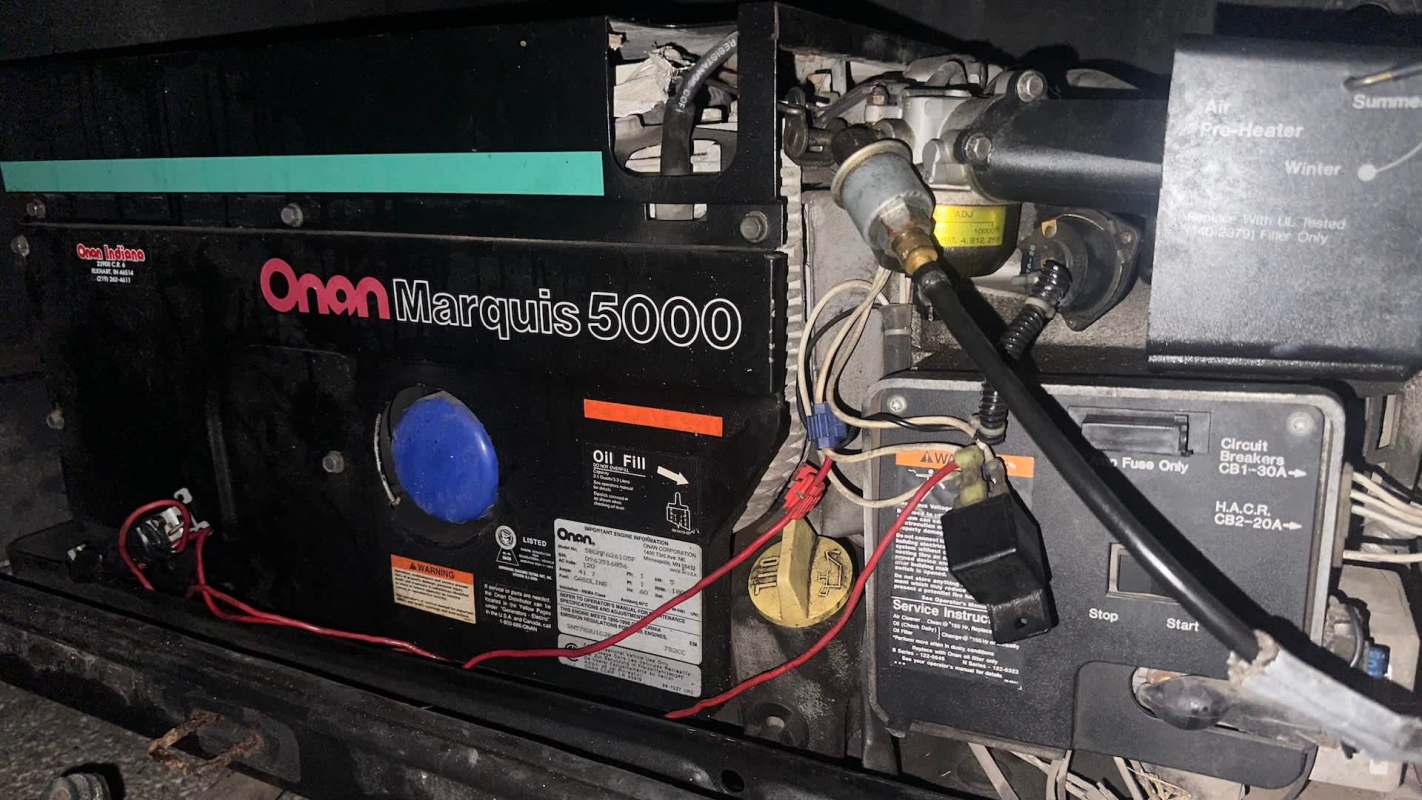
A 1997 Holiday Rambler Vacationer owner turned to Reddit after their RV suddenly lost air conditioning, outlet power, and microwave access even though the generator was running.
The fix turned out to be a small but critical power-routing issue that may have saved them from a much more expensive repair hunt.
Here's what to know
The owner's air conditioner, microwave, and outlets were all out. Before posting, they had already restarted the generator, reset the breakers both inside the RV and on the generator, and reset a GFCI outlet.
In the post on Reddit, the owner wrote that they were "dying of heat!! Any suggestions?"
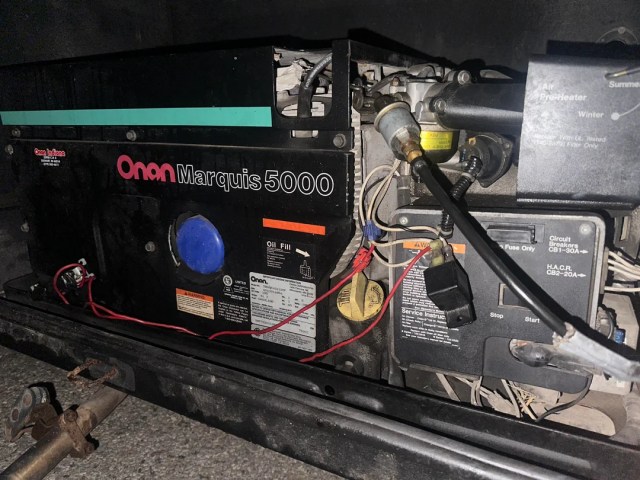
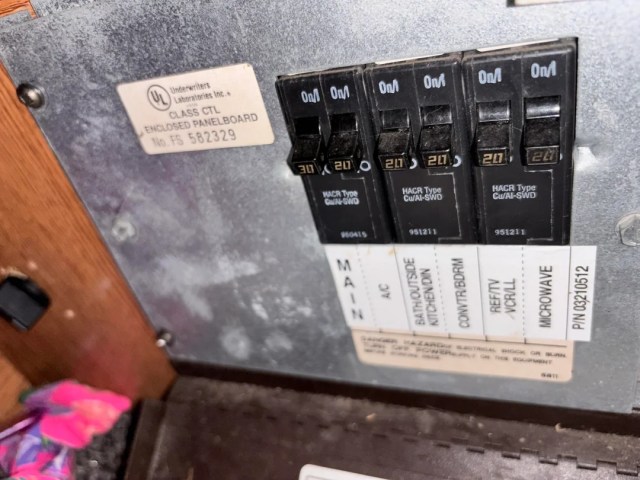
People in the thread suggested checking several spots, from the fuse above the Start/Stop switch and the generator breakers to the way shore power ties into the RV's electrical system.
The discussion shifted when one commenter explained, "If the shore power cable doesn't connect to the generator, you have a transfer switch somewhere. Look at that, it is probably keeping you on the shore power feed."
TCD Picks » Quince Spotlight
💡These best-sellers from Quince deliver affordable, sustainable luxury for all




The original poster updated the thread to say they found the transfer switch and fixed the issue.
More background
A transfer switch allows an RV to safely receive power from either shore power or its onboard generator. If that switch sticks, fails, or stays on the wrong feed, several appliances can suddenly seem dead even while the generator is running normally.
A generator problem can be misdiagnosed as a failed AC unit, a bad microwave, or a more serious electrical issue. Starting with the transfer switch can save time and help owners avoid replacing parts that are not actually broken.
"The learning curve of this is rather steep," the original poster said.
What can be done?
If an RV generator is running but the AC, outlets, and microwave all stop working at once, one of the first steps is to confirm which systems are out. When several appliances lose power together, it's more likely to be a power-transfer problem rather than multiple separate failures.
It can help to start with the basic checks, such as the RV's interior breakers, the generator breakers, GFCI outlets, and the shore-power path. On rigs where the shore cable does not plug directly into the generator, the transfer switch may be the next place to inspect.
"Downloading the manual for the generator is always a good start," one commenter wrote.
Finding a stuck or misrouted transfer switch before calling for major service can help owners avoid what might otherwise turn into diagnostic labor, emergency mobile RV visits, or unnecessary parts replacement.
Still, electrical systems can be dangerous. If there is evidence of burnt wiring, a burning smell, or uncertainty around high-voltage components, it is best to stop and contact a qualified RV technician.
Where can I learn more?
If you're dealing with power problems on the road or at home, these stories explore other ways people keep essential systems running when the usual setup falls short.
• More RV owners are adding solar panels for road trips to keep electricity flowing off-grid.
• A next-gen portable energy source even handled a microwave during outages and remote stops.
• Anker's portable power station kept room-sized appliances running when standard power failed.
• Homeowners are increasingly rethinking old backup generators as batteries and solar become practical.

Get TCD's free newsletters for easy tips, smart advice, and a chance to earn $5,000 toward home upgrades. To see more stories like this one, change your Google preferences here.






