


Seattle is poised to become the first city in the nation to ban "surveillance pricing" for groceries, preventing large grocery chains and delivery services from using personal data to tailor prices for individual shoppers.
If approved, the policy could help protect working families from paying more for basic necessities simply because an algorithm decided they could.
Here's what to know
Seattle Councilmember Alexis Mercedes Rinck and Mayor Katie Wilson wrote the legislation. The proposed Fair Pricing and Transparency ordinance would bar large grocery chains and delivery services in Seattle from using personal information — including shopping behavior, location, demographics, and biometric data — to set prices for essential goods, according to The Seattle Times.
Rinck said she brought forward the measure because she does not think "data brokers" should help determine the price of necessities.
"That's not a good foundation for a fair economy or one that serves working families," Rinck said. "Prices should be based on the product, not the shopper."
Food prices have climbed nearly 35% since 2019, with production, labor, fuel, supply chain issues, corporate profits, tariffs, and geopolitical conflict all contributing. Those rising grocery costs continue to put heavy pressure on households.
TCD Picks » Quince Spotlight
💡These best-sellers from Quince deliver affordable, sustainable luxury for all




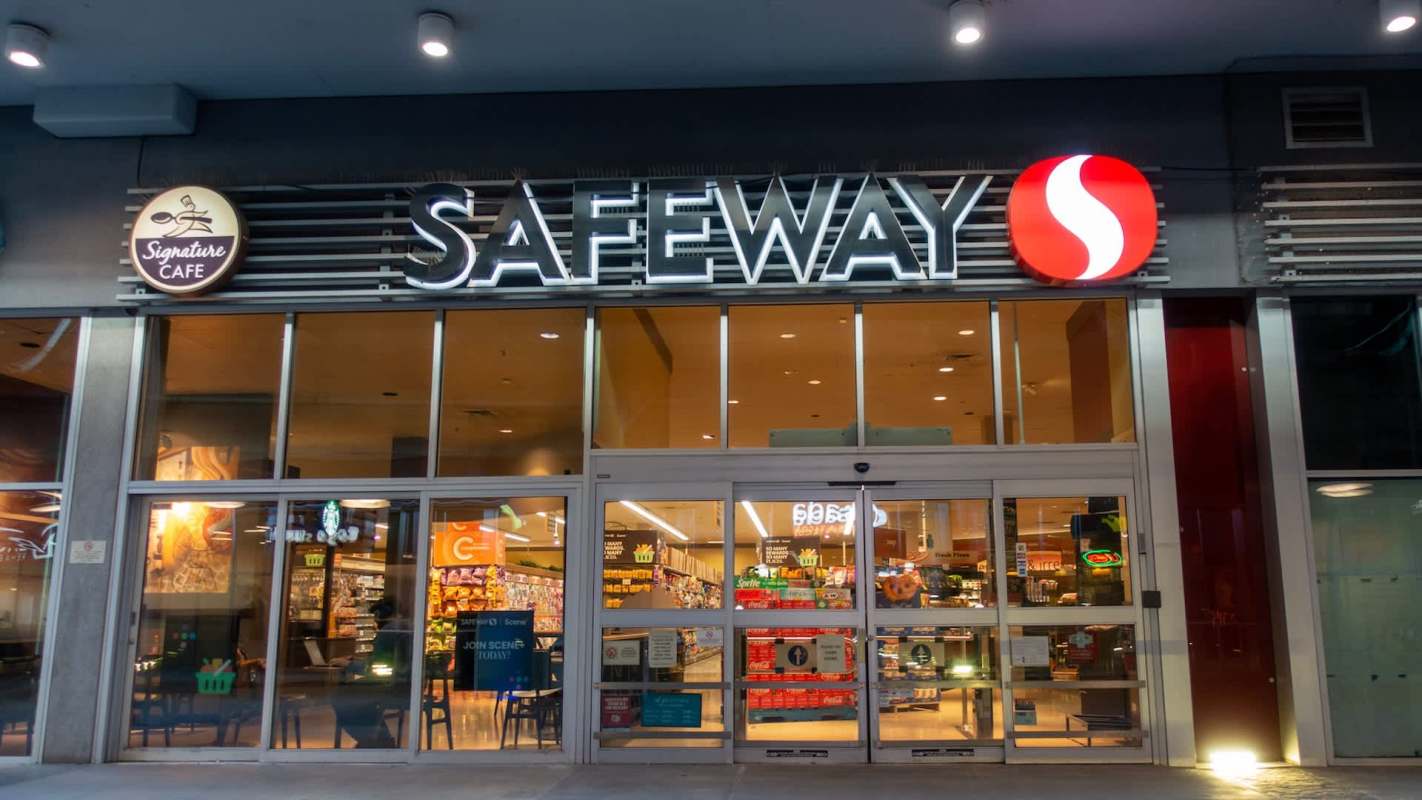
Sara Osborne, spokesperson for the 17 Seattle-area Safeway stores, said the law could force the company to end its loyalty program, which she said saves the average shopper $30 a week. More broadly, grocery industry representatives say the ban could have unintended consequences.
"If (the bill) passes, we will not be able to offer these additional savings and customers will have to pay full retail price," Osborne wrote in a statement. "Safeway does not use customers' personal information to charge them a higher price. We do use customer information responsibly to offer voluntary savings."
More background
People already see dynamic pricing with airline tickets, hotel rooms, and ride-hailing services. Using similar methods for groceries has drawn concern because food is a basic necessity, not a luxury purchase.
In a 2024 inquiry, the Federal Trade Commission said companies in this "shadowy market" monitored signals ranging from "mouse movements on a webpage to the type of products that consumers leave unpurchased in an online shopping cart" to help set prices. When that kind of data collection happens behind the scenes, shoppers can struggle to tell whether they are getting a fair deal.
In one Seattle example, the same Safeway basket on Instacart varied by about $10, and only 8% of shoppers got the lowest price. A 2025 Consumer Reports investigation found that surveillance pricing led to different shoppers being charged different amounts for the same groceries, with price differences of up to 23%.
What's being done?
The proposal includes carveouts rather than applying to every seller. Chains with fewer than 20 locations, convenience stores, and farmers markets would be exempt, and Rinck said she also worked with grocers on concessions, including allowing electronic shelf labels.
Trade groups have also argued the language could create safety issues. The Northwest Grocery Retail Association and the Washington Retail Association warned the rules might be interpreted so broadly that they could affect store security cameras, but Rinck said that was not the intent and added that she would work with council President Joy Hollingsworth to make sure security cameras are not banned.
Beyond pricing rules, Wilson has also backed broader grocery-access efforts, including an Independent Grocers Alliance grocery market analysis covering eight Seattle neighborhoods, a year of technical assistance from the alliance for 10 independent grocers, help from the city office of economic development for Lam's Seafood Asian Market's third location in Rainier Valley, and one-time security upgrades for stores dealing with high retail theft. Wilson approved $1.7 million for that work.
Where can I learn more?
Seattle's proposal is part of a wider debate over how grocers use technology and data to shape the shopping experience.
• At Kroger, new digital price tags have raised fresh fears about grocery surge pricing.
• In Park Ridge, officials weighed a major change to checkout rules for grocery shoppers.
• In Oregon, state senators voted to ban a popular grocery checkout item statewide.
• In Maryland's Montgomery County, leaders passed a new law changing routine grocery store habits.

Get TCD's free newsletters for easy tips, smart advice, and a chance to earn $5,000 toward home upgrades. To see more stories like this one, change your Google preferences here.






