


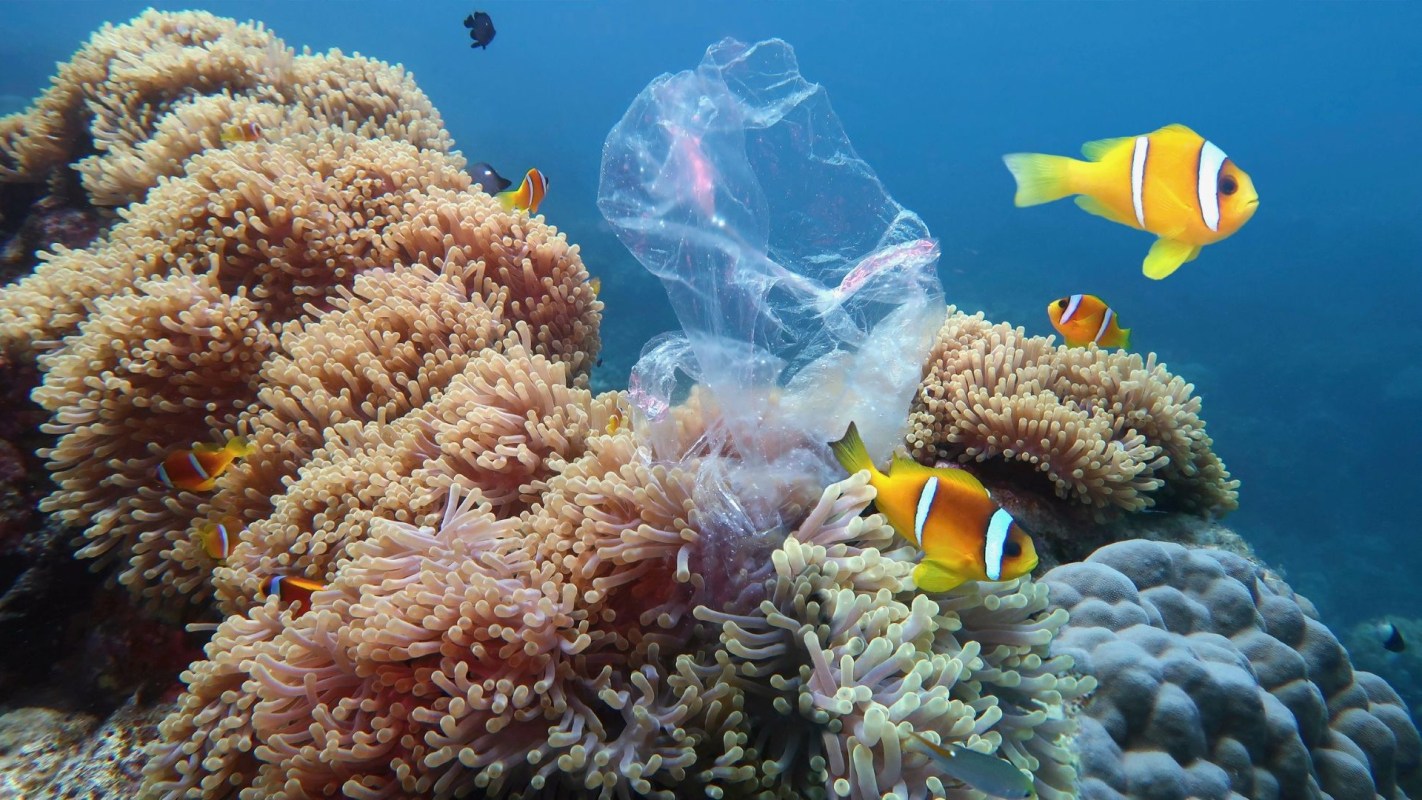
On several beaches in Japan, researchers found something they didn't expect: plastic pieces that had softened, changed shape, and fused with broken coral into a new kind of pollution they called "plasticoral."
Here's what to know
Across three Okinawa beaches, routine marine-litter surveys turned up five examples of the material, according to Earth.com. Sosu Beach yielded three specimens, with one apiece at Ibu Beach and Odo Beach.
Of the four specimens ultimately collected, each was roughly 1.5 to 3.5 inches long, with the coral and plastic bonded together rather than loosely attached.
Raman spectroscopy helped to identify the plastic, while microscopes and specialized X-ray showed that the plastics had penetrated tiny pores within the coral, bonding the two.
Earth.com reported that tests showed the plastic types to be polyethylene and polypropylene, both widely used in everyday products. The discovery shows that plastic pollution is not always obvious or easy to remove — in some cases, it may become embedded in the very landscapes wildlife and communities depend on.
More background
The researchers described plasticoral as a form of "plastiglomerate," a term for material created when melted or otherwise altered plastic combines with natural matter such as sand, pebbles, or rock.
TCD Picks » Quince Spotlight
💡These best-sellers from Quince deliver affordable, sustainable luxury for all




Researchers emphasized that this small selection of plasticoral specimens does not mean Okinawa's beaches are broadly covered in the stuff. The pieces confirm it is present there, of course, but they do not show how common it may be in the area or elsewhere.
The broader concern is a familiar one, though: Plastic pollution harms marine ecosystems. In their paper, published in Marine Pollution Bulletin, the researchers also noted that marine litter can reduce the value of beaches used for recreation and tourism.
The paper also suggests that materials like plasticoral could eventually become part of future sediment layers, offering another sign of how deeply plastic pollution may leave its mark on the planet. And once plastic becomes physically built into a coastline, cleanup may get more difficult and costly.
What can be done?
Basic questions about how plasticoral forms remain unanswered. Heat likely plays a role, according to the study, but the researchers did not determine which processes may have created the specimens.
They also have not yet tested whether plasticoral directly harms living coral or marine animals, so further research is warranted. Still, for many, there is already sufficient evidence to back proposed global limits on plastics production and use.
Where can I learn more?
These stories look at microplastics in coral reefs, plastic-strewn beaches, and ocean debris that can carry invasive species over the sea:
• Across coral reefs, scientists found microplastics accumulating in unexpected places, raising new conservation concerns.
• On public beaches, a simple sand-sifting experiment exposed just how much plastic may hide underfoot.
• On Hawaiian beaches, cleanup volunteers found sea plastic washing ashore where sea glass once appeared.
• Floating plastic creates transport routes for invasive species.

Get TCD's free newsletters for easy tips, smart advice, and a chance to earn $5,000 toward home upgrades. To see more stories like this one, change your Google preferences here.






