


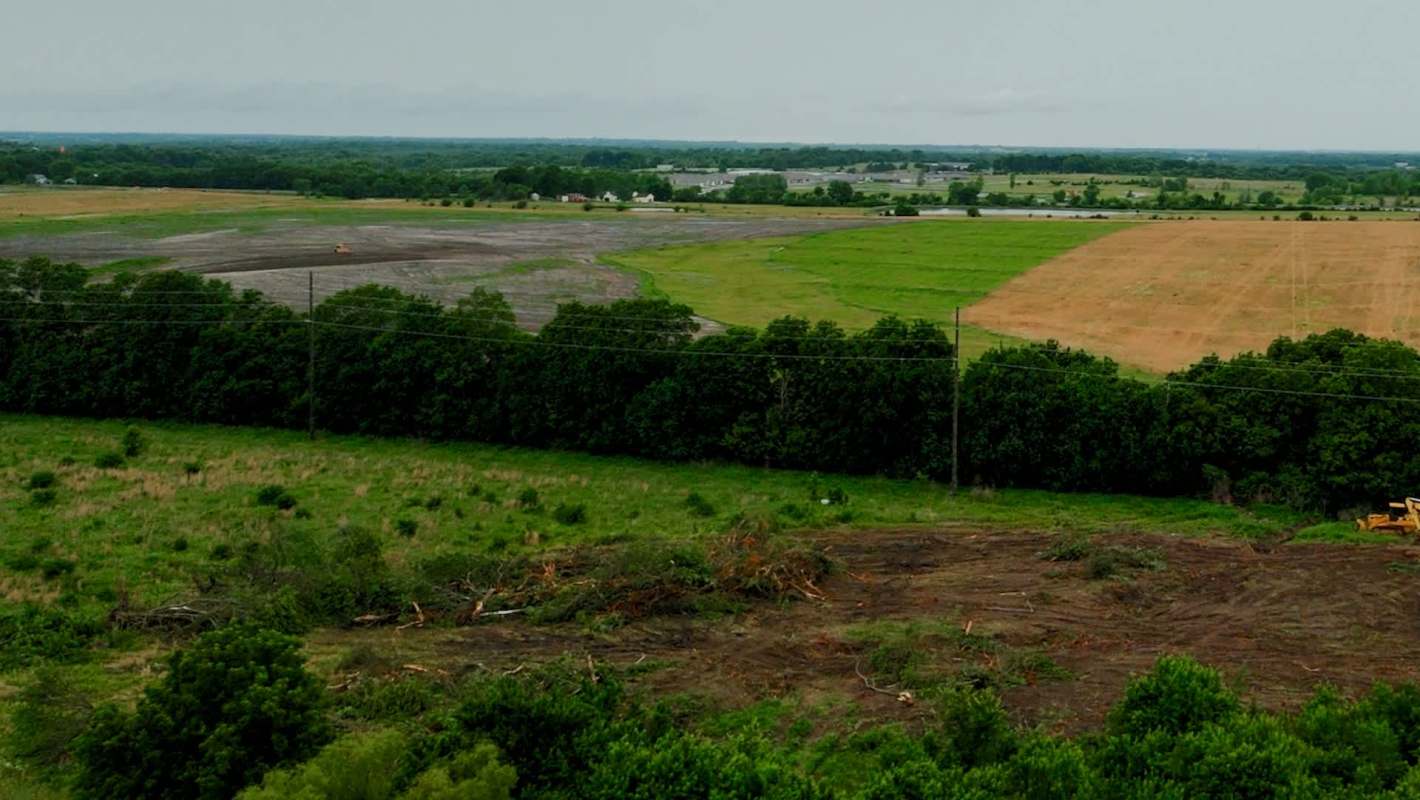
A Missouri student considering rural life asked more experienced homesteaders how people evaluate a property before buying it.
Commenters stressed the unglamorous work most: checking county GIS records, talking to zoning offices, and making sure water is readily available.
Here's what to know
Posting to Reddit's r/homestead community, the student said most of their research had centered on prices and on balancing scenic appeal with distance from a city.
However, as they delved deeper, the original poster became increasingly aware of how much they didn't know. For example, they shared that they only recently had learned what a "house pad" is. The revelation served as an epiphany about how much they still needed to learn.
"I guess I'm also looking for assurance that this is possible for a rookie with no immediate family with experience in this type of thing," they wrote.
Redditors offered helpful advice, sharing the benefits of contacting county workers, who likely know local zoning rules and other restrictions best.
TCD Picks » Quince Spotlight
💡These best-sellers from Quince deliver affordable, sustainable luxury for all




"County offices are seriously underrated for this stuff, most people never think to just call and talk to someone who works with the land records every day," said one commenter.
Redditors also recommended accessing GIS records, which often include important details like parcel lines, topography, zoning, flood-prone sections, and sometimes even watershed-related limits.
However, commenters also warned that maps are only part of the screening process. Additionally, potential buyers should confirm legal road access and easements, ask about utility connections, and make sure local rules fit any plan to live in an RV or tiny home or keep livestock, bees, or other animals.
More background
A recurring theme in the thread was that newcomers should seek out a property that fits their everyday reality right now and build toward larger homesteading goals in stages, rather than jumping straight into a full-on off-grid vision.
One commenter advised asking whether a place could "scratch some of your itches while still letting you work a regular job."
That could mean beginning with smaller steps like renting a property, trying gardening on a balcony, or purchasing a more standard home with a small yard before moving on to raw land.
The caution more experienced homesteaders urged reflected the steep cost of getting it wrong. Land that looks cheap at first may not be much of a deal if it has no utilities, sits in a floodplain, lacks clear title access, or is covered by zoning that blocks the intended use.
Another issue that commenters raised repeatedly was water access. Several Redditors emphasized that a sufficient water supply is essential for anyone who wants to garden or raise animals.
What can be done?
Experienced homesteaders suggested that the OP start off by defining the intended use, checking what the county allows, and figuring out what infrastructure is already in place.
To begin this process, they recommended searching county GIS pages first and then calling zoning or land-records staff to verify anything an online map does not fully explain.
"The zoning people usually know about unlisted restrictions, too, stuff that never made it into the digital maps," advised one commenter.
Others suggested asking utility companies about hookup costs, confirming deeded access, and researching water rights.
Several users said beginners should make things more manageable by narrowing their plans before shopping for land. They emphasized that a small garden, a hobby farm, and a self-sufficient homestead all involve similar activities, yet they require different kinds of land and involve vastly different expenses and time commitments.
In response to the OP's original question about whether a rookie with no family homesteading experience could make their dream a reality, the commenters largely recommended proceeding with caution and doing one's homework.
As one commenter summed it up, "You can get overwhelmed very easy but don't put pressure on yourself to make it happen overnight, took me years to learn multiple things and still learning."
Where can I learn more?
These stories look at off-grid solar setups, how solar farms affect nearby land values, and fights over community solar policy.
• An off-grid homeowner found a lot to learn about sizing solar panels and battery storage.
• Virginia Tech researchers found solar farms can lower nearby property values for some rural neighbors.
• In Iowa, lawmakers weighed community solar legislation that farmers say could diversify revenue.
• A national survey suggested size matters near large solar plants when residents judge them.
• EnergySage's COO said solar panel costs shift with equipment, labor, incentives, and roof conditions.

Get TCD's free newsletters for easy tips, smart advice, and a chance to earn $5,000 toward home upgrades. To see more stories like this one, change your Google preferences here.






