


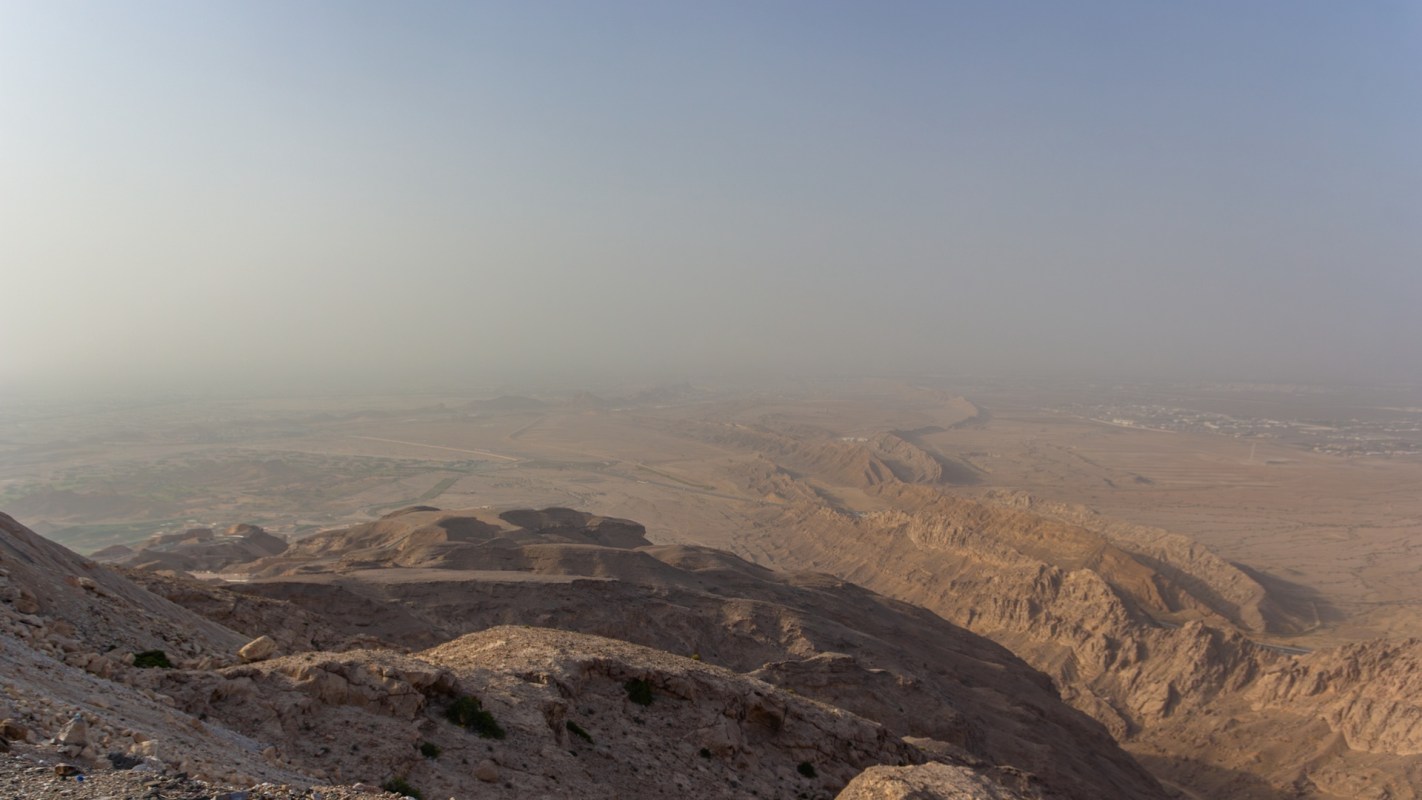
A recent UCLA study found that the air around the planet carried less desert dust from 2003 to 2023, and researchers say that decline may have slightly amplified warming.
Using data from that period, the team estimated a roughly 10% drop in airborne dust, pointing to a lesser-known influence on climate.
Here's what to know
In work published in Science Advances, scientists assessed two decades of change with satellites, ground-based observations, and atmospheric models. As Phys.org relayed, the results offer especially strong evidence that global atmospheric dust has declined.
"This is the strongest evidence to date that Earth's atmosphere became less dusty in the early 21st century," said lead author Ashok Gupta, who completed much of the analysis at UCLA and is now a staff scientist at Vanderbilt University, according to Phys.org.
Because dust in the atmosphere generally exerts a slight cooling effect, lower levels may have contributed modestly to warming.
A large share of airborne dust typically comes from Northern Hemisphere deserts, especially the Sahara in North Africa and Asian deserts including the Gobi. Even so, the study did not determine why dust levels decreased from 2003 to 2023.
TCD Picks » Quince Spotlight
💡These best-sellers from Quince deliver affordable, sustainable luxury for all




More background
Study co-author Jasper Kok, a UCLA atmospheric scientist and principal investigator on the project, said the decline stands out against the longer record: Atmospheric dust increased through much of the 20th century before reaching a peak in the 1980s. That makes the new pattern a notable reversal.
The effects of dust extend beyond climate, Kok said. As it moves through the atmosphere, dust delivers nutrients and minerals to land and oceans, but it can also worsen air pollution and reduce the reflectivity of snow and ice. That means lower dust levels could affect ecosystems, air quality, and the atmosphere.
What's being done?
As Kok put it, "Because of atmospheric dust's slight overall cooling effect on the climate, the decline in dust that we're seeing now likely contributed modestly to the warming seen from human-caused climate change."
Where can I learn more?
These TCD stories take a closer look at clouds, pollution spikes, dust-storm tracking, methane leaks, and warehouse air pollution.
• Scientists say cloud types like cirrus and stratus can warm or cool Earth differently.
• Researchers found pollution spikes can heat the sky for 48 hours before cooling.
• Energy teams are using global dust storm tracking to protect solar panels from buildup.
• Across the United States, NASA methane monitoring has flagged troubling emissions hot spots.

Get TCD's free newsletters for easy tips, smart advice, and a chance to earn $5,000 toward home upgrades. To see more stories like this one, change your Google preferences here.






