


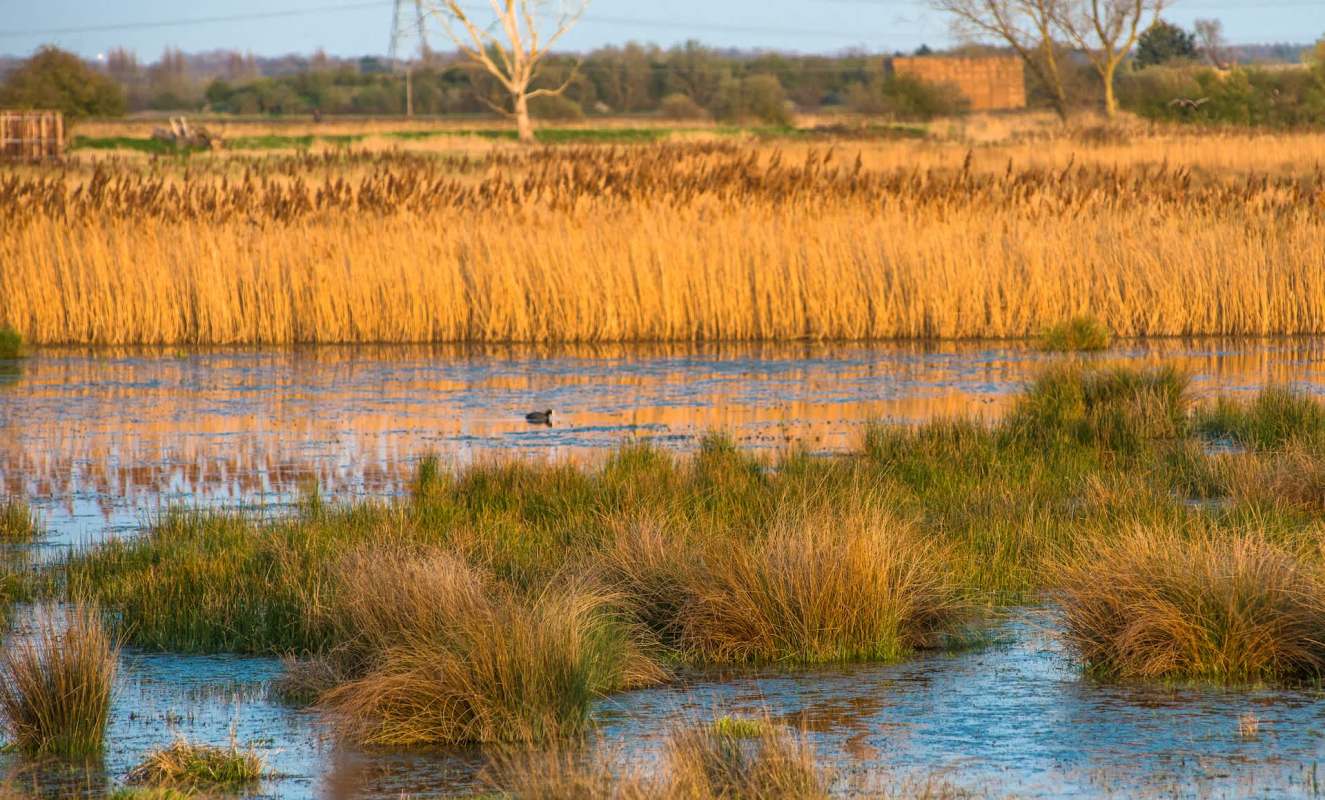
A vast stretch of eastern England known as the Fens, which helps feed the country, could be heading toward a future its water-control systems were never designed to withstand.
Researchers say that without major investment, intense climate pressures will make the Fens harder to defend.
Here's what to know
According to Phys.org, researchers said climate threats in England's Fens are increasingly overlapping and could transform the region by the end of the century.
This low-lying area grows about a third of the nation's vegetables and supports tens of thousands of jobs.
Roughly 33% of the region sits below average sea level, and 87% lies beneath the highest spring tides. As a result, the Fens stay livable and productive only through constant management. For centuries, pumps, embankments, and drainage channels have kept the landscape operating.
That system is now being strained by climate change from several directions at once. Researchers said sea-level rise, heavier rainfall, hotter summers, longer droughts, water scarcity, and biodiversity loss are all worsening together, and their June analysis found that these risks increasingly compound as warming continues.
TCD Picks » Quince Spotlight
💡These best-sellers from Quince deliver affordable, sustainable luxury for all




At about 2 degrees Celsius (3.6 degrees Fahrenheit) of warming, the team projects more frequent flooding, more extreme heat, lower summer river flows, and faster ecological decline.
More background
The Fens' vulnerability comes less from any one hazard than from how tightly linked the whole region is.
In a landscape organized around carefully controlled water, multiple stresses can arrive at once. Rivers may overflow, heavy rain can overwhelm surface drainage, seas can rise higher, and hotter, drier summers can put added pressure on both agriculture and water supplies.
Under a 4°C (7.2°F) warming scenario by 2100, the researchers estimated that yearly flood damage affecting homes and businesses could increase from £16 million (~$21 million) to £250 million (~$334 million). They also said ecosystems could collapse and parts of the Fens could become uninhabitable without major infrastructure upgrades.
Sea-level rise stands out as a long-lasting threat because ocean levels would keep climbing for centuries even if global temperatures stopped rising.
What can be done?
The researchers say adaptation planning needs to start before the worst impacts arrive, not after.
Major shifts in infrastructure and land management can take decades to design, finance, and complete. That means choices about drainage systems, flood defenses, and land use have to be made well ahead of time.
That may require major investment in new infrastructure, and over the longer term it could mean turning to more radical forms of adaptation.
Broad national climate assessments do not always show how severe risk can become in places with unusual geography. In regions dependent on fragile systems, warming tends to bring several connected problems at once rather than isolated challenges.
For the Fens, the issue is not only rising water but an expanding set of threats that strengthen one another. Without serious planning and investment, one of England's most important agricultural landscapes could face a far more difficult future.
Where can I learn more?
These articles look at marine heat in U.K. waters, rewilding in gardens, and forest resilience.
• Off England and Ireland, previously unheard-of marine heat waves are becoming frequent enough to threaten mass die-offs.
• Across the U.K., gardens cover more ground than nature reserves and could aid rewilding.
• In aspen forests, the forest lacks resilience as warming threatens regeneration.

Get TCD's free newsletters for easy tips, smart advice, and a chance to earn $5,000 toward home upgrades. To see more stories like this one, change your Google preferences here.






