


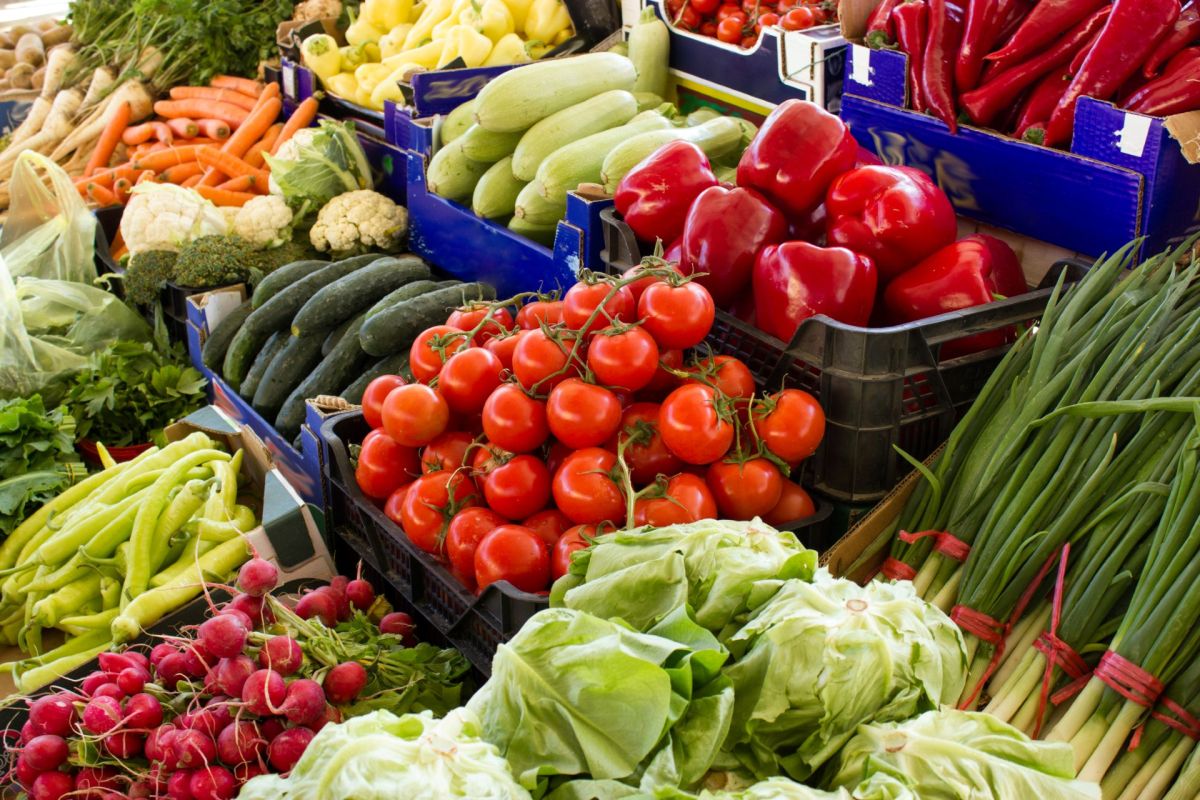
Sticker shock at the grocery store may be hitting some households harder than many expected, especially for shoppers trying to choose organic produce.
A new analysis found that organic fruits and vegetables cost 59% more on average than conventional options, adding even more pressure in states where grocery bills are already among the highest in the country.
Here's what to know
Based on U.S. Department of Agriculture pricing data reviewed by LendingTree, organic produce prices rose 10% from January 2025 to January 2026, while conventional produce prices showed little change during the same period, according to InvestigateTV.
Among the biggest increases, organic green bell peppers more than doubled in price, and organic Roma tomatoes nearly tripled over the year. The analysis also said the typical U.S. household spent just under $8,000 on groceries in 2024.
Matt Schulz, chief consumer finance analyst at LendingTree, said paying more for healthier food can deepen the financial strain many families are already managing as other everyday costs stay high.
"Everybody wants to eat healthier, but a lot of times eating healthier is more expensive, and that just makes things harder in a time where gas prices are higher and most everything is higher," Schulz said.
TCD Picks » Quince Spotlight
💡These best-sellers from Quince deliver affordable, sustainable luxury for all




In 2024, Utah, Alaska, and Idaho recorded the highest average grocery bills, according to the LendingTree analysis.
More background
Food costs are shaped by more than individual shopping choices. Transportation, distribution, and regional supply chains can all affect shelf prices, particularly in places farther from major agricultural hubs.
According to Schulz, geography is a major reason grocery spending can run higher in parts of the West.
"A big reason why people might spend more on groceries out west is simply that it may take longer and cost more for the food to get out there from kind of the heartland of where a lot of America's agriculture is done," he said.
What can be done?
To find savings, LendingTree said shoppers may need to step outside their usual routines and compare prices from store to store.
He also recommended setting a grocery budget first, then deciding how much of that amount should go toward organic produce: "Once you set that amount that you can spend on your grocery budget, then you can determine if that markup on the organic fruits and vegetables is something that you're good with."
The analysis also recommended buying in bulk, especially for essentials such as pantry items and paper goods. Buying larger quantities reduces costs by an average of 27%, which could help offset higher prices elsewhere in the store.
Where can I learn more?
These stories look at grocery prices, inflation pressures, and produce costs in several markets.
• In Tri-State stores, produce prices fell in June even as deli turkey climbed 5%.
• Rising fuel and fertilizer costs could send grocery prices swinging through 2027, forecasters say.
• European Central Bank economists say unexpected forces are driving food prices higher across markets.

Get TCD's free newsletters for easy tips, smart advice, and a chance to earn $5,000 toward home upgrades. To see more stories like this one, change your Google preferences here.






