


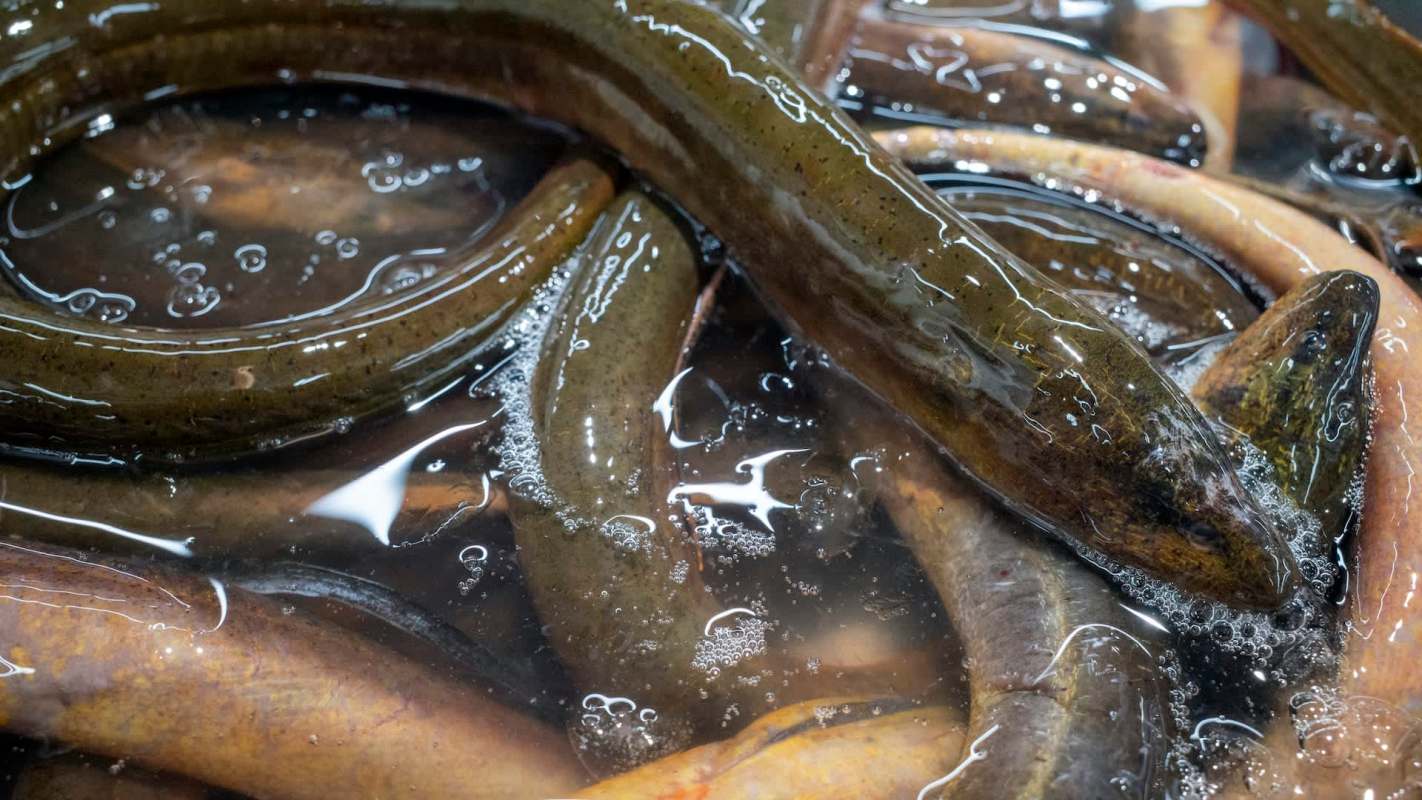
An elusive invasive fish is spreading in South Florida, and Florida International University aquatic ecologist Nathan Dorn says it could create new problems for the Everglades.
Asian swamp eels have been detected in Palm Beach County's Arthur R. Marshall Loxahatchee National Wildlife Refuge, which raises new concerns about the wetlands' food web and the communities that rely on a healthy ecosystem.
Here's what to know
The refuge finding suggests the species is becoming more entrenched in the area. As USA Today reported, the slime-coated fish can breathe air, are considered "abundant" in parts of South Florida, and have also spread toward Tampa and Orlando.
Florida International University Associate Professor and aquatic ecologist Nathan Dorn said his lab verified the refuge detection. He speculates the animals may have arrived at the refuge in 2024 and likely preyed on crayfish, frogs, and small fish there.
Those prey species are also important to native animals, including Florida's wading birds. When an invasive predator cuts into species lower in the food chain, the consequences can spread through the ecosystem, making restoration harder and degrading habitat linked to tourism, outdoor recreation, and local quality of life.
Dorn warned that "this animal may be coming to your water bodies soon and, in terms of threat to the Everglades, this is a big threat."
TCD Picks » Quince Spotlight
💡These best-sellers from Quince deliver affordable, sustainable luxury for all




More background
Compared with native fish, Asian swamp eels have several traits that make them especially difficult to control. They can survive dry spells, are tough to trap, and tolerate cold, helping them persist through changing conditions and enter new waterways.
The U.S. Geological Survey says the species, Monopterus alba, has been recorded across Miami-Dade County, including Hialeah, Kendall, North Miami, Homestead, and Pembroke Pines. The Florida Fish and Wildlife Conservation Commission also says they are common in Southeast Florida canals and are present near Tampa in the Little Manatee River and Bullfrog Creek drainage areas.
Frank J. Mazzotti, a professor of wildlife ecology with the UF/IFAS Fort Lauderdale Research and Education Center, said in a UF/IFAS news release, "A big concern is how invasive species like these will interact with the Everglades restoration. If we get the water right, but can't control invasive species, have we really restored the Everglades?"
As wetland ecosystems decline, communities can lose biodiversity, natural water benefits, and the resilience that helps protect the region's future.
What can be done?
The University of Florida has asked people to report any eel-like fish they spot in canals, wetlands, or marshes.
Asian swamp eels can look similar to native American eels and lampreys, but they can be distinguished in a few ways. They lack the pectoral fins found on American eels, and unlike lampreys, they have jaws. In Florida, they are often olive or drab brown with yellow-orange bellies, though some are brighter orange, pink, or calico. They can reach 3 feet or more in length and often spend the day hidden in muddy canal bottoms and shallow wetlands.
Anyone who believes they have seen one is encouraged to take a photo and submit it through IVEGOT1.org, the IVEGOT1 mobile app, or by calling 888-IVEGOT1 (888-483-4681).
As Mazzotti put it, "These fish are difficult to find, and that's exactly why we need the public's help. We can't be everywhere all the time, but collectively, the public can."
Where can I learn more?
These stories explore invasive fish, mussels, crabs, snails, and the harm invasive species can cause.
• In Australia, methods to combat tilapia are helping protect endangered Mary River cod.
• Across ecosystems, invasive species can upend food webs, habitats, and local economies.
• In the Colorado River, officials found zebra mussels in key waters threatening ecosystems and supplies.
• In Washington, officials are scrambling after European green crabs spread into vulnerable coastal habitat.
• In Ontario's Haliburton County, residents collected and destroyed one million invasive mystery snails.

Get TCD's free newsletters for easy tips, smart advice, and a chance to earn $5,000 toward home upgrades. To see more stories like this one, change your Google preferences here.






