


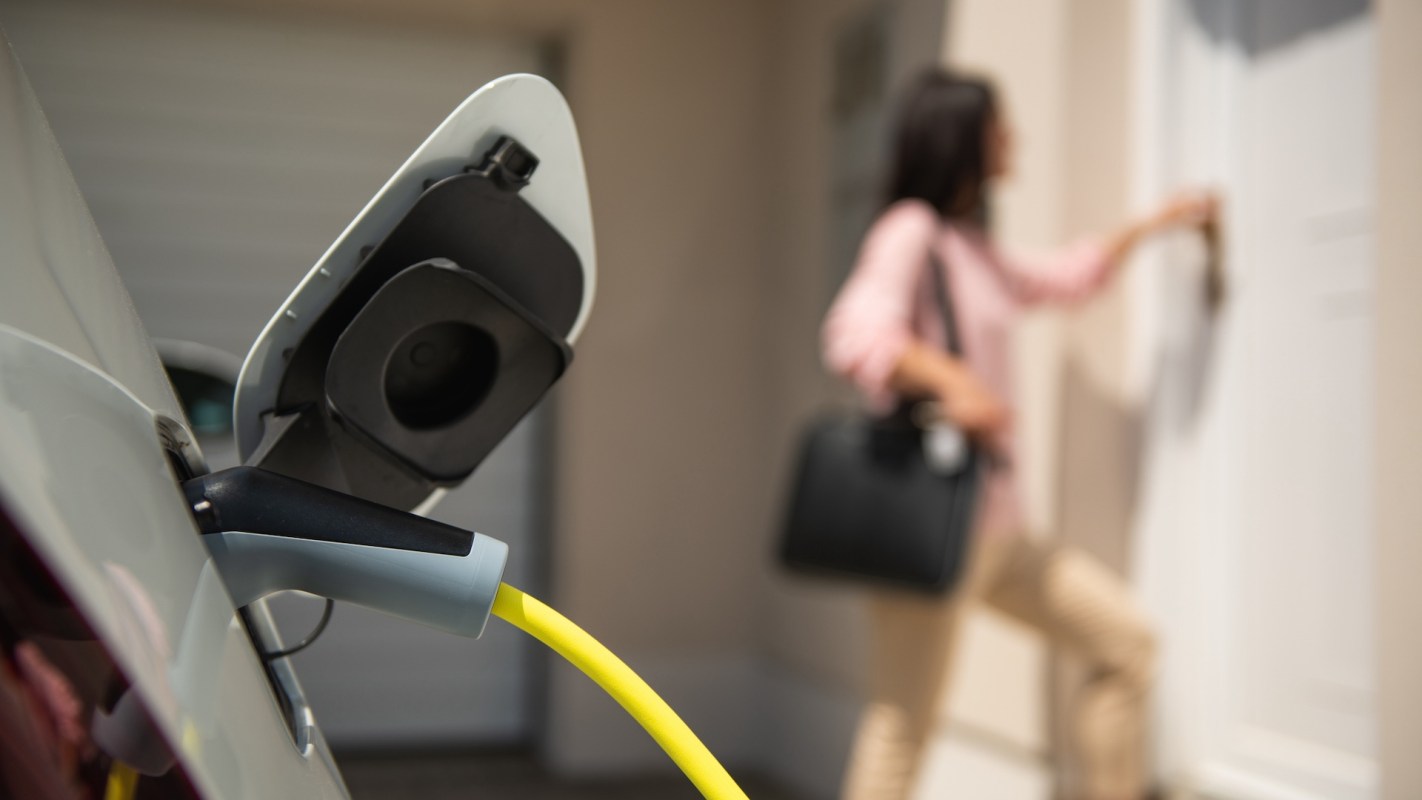
California households with electric vehicles, home batteries, and smart thermostats could soon have a new way to help stabilize the grid — and potentially lower their power bills at the same time.
A bill that cleared the state legislature would let those devices do more to meet electricity demand instead of leaning so heavily on expensive new grid infrastructure.
Here's what to know
The governor will now decide whether Senate Bill 913, authored by Senator Josh Becker, becomes law. As The Center Square reported, the measure is designed to make it easier for Californians to use EVs, home batteries, and smart thermostats they already own in ways that help the grid while reducing costs.
Becker's position is that California should rely more on technology already installed in homes, especially during the relatively small number of peak-demand hours, rather than continue building more infrastructure.
"Californians are struggling with rising electricity bills, and we need to use our grid more intelligently and cost-effectively," Becker said in the legislative analysis. "Instead of always building expensive new infrastructure to meet just a few peak hours of demand, we should be making better use of the resources we already have in our homes."
Support crossed party lines as well. Senator Tony Strickland said that the approach could "improve reliability, make better use of existing investments, and keep electric costs down for families."
TCD Picks » Quince Spotlight
💡These best-sellers from Quince deliver affordable, sustainable luxury for all




More background
California is also looking at a steep rise in electricity needs. Becker's office projected statewide demand will increase 61% over the next 20 years, putting more strain on the grid and increasing costs for ratepayers.
Many residents have already spent money on home energy technology. The California Community Choice Association said that, as of March 2026, Californians were adding roughly 8,000 home batteries each month, totaling about 100 megawatts.
SB 913 would give those household devices a stronger chance to compete with conventional power sources while improving reliability at a lower cost. Utility bills are shaped not just by how much electricity homes use, but by the cost of building and maintaining utility infrastructure.
Questions about reliability fueled the opposition. Groups including the Coalition of California Utility Employees argued that there was no assurance that smart thermostats and other home devices would provide enough available electrical resources.
"There is no way to control third-party operation of them and imposing a penalty if the capacity is not delivered is not enough," the group said in opposing statements cited in the bill analysis.
What's being done?
At its core, the bill is intended to remove obstacles that keep home devices out of grid programs. It also would allow residents to be paid for electricity exported from their homes back to the grid, giving households with qualifying equipment a clearer financial incentive.
That approach could limit the need for huge utility outlays. A report from the Edison Electric Institute found that California electric utility infrastructure spending totaled about $1.3 trillion from 2015 to 2024, with another $1.1 trillion projected for 2025 through 2029.
"We should make the most of the clean energy resources Californians have already invested in, from batteries to smart thermostats, and put them to work for our grid," Strickland said.
Where can I learn more?
California's debate over SB 913 is part of a wider push to keep power affordable as demand climbs. Lawmakers and utilities elsewhere are handling demand-response programs, plug-in solar, and even oversight of data centers.
• In Ohio, lawmakers pitched a way to cut household power costs and ease grid strain.
• California lawmakers approved a plug-in solar bill letting renters benefit from solar energy.
• In Maryland, legislators proposed a complete overhaul of energy usage with a 2035 clean-power target.
• In Illinois, lawmakers want to track the incredible strain on the energy grid from data centers.

Get TCD's free newsletters for easy tips, smart advice, and a chance to earn $5,000 toward home upgrades. To see more stories like this one, change your Google preferences here.






