


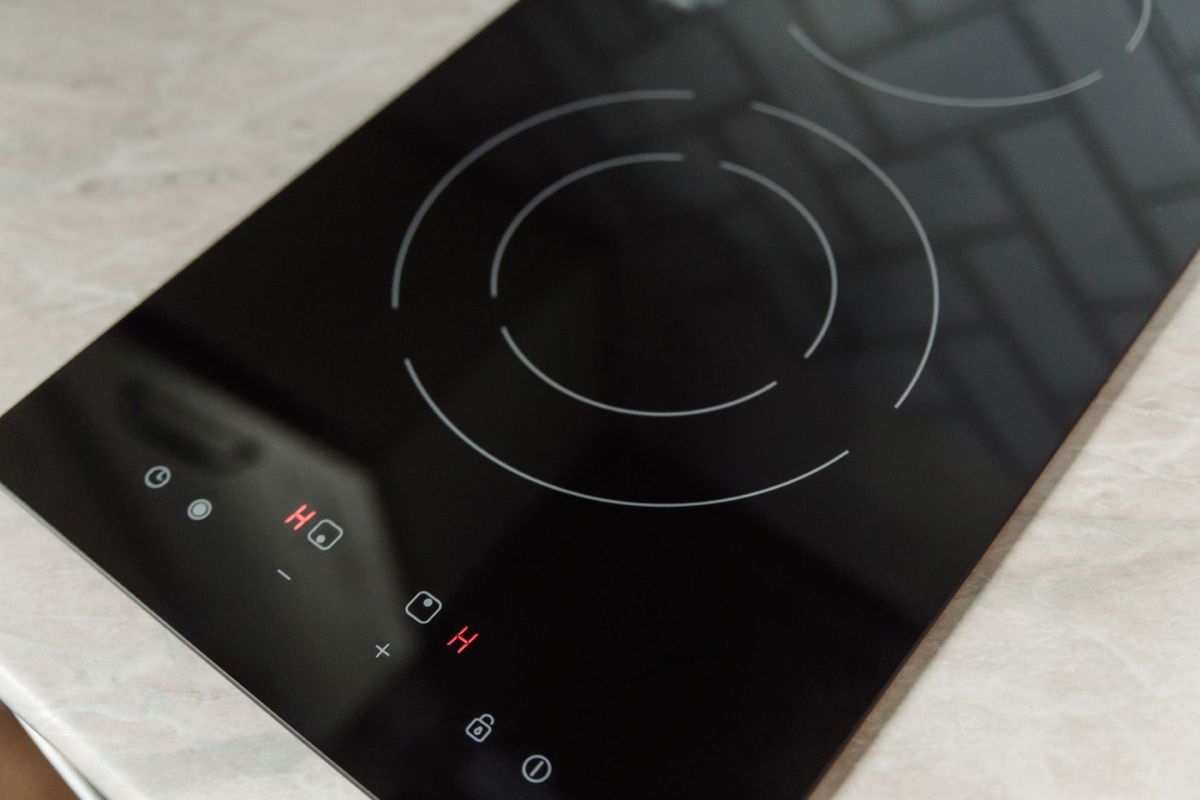
For off-grid cooks, induction burners can seem like an easy win: fast heat, less indoor warmth, and no propane refill. But people using solar power say another detail can matter just as much as cooking speed — what a unit does when it is not in use.
That tradeoff came into focus in a Reddit discussion built around a simple question: Is a single countertop induction burner worth keeping in the cabinet for occasional meals at a solar-powered cabin?
Here's what to know
The conversation started when an r/OffGrid user asked on Reddit whether keeping an induction burner for occasional cabin cooking made sense.
They said, "I have a solar/battery/inverter setup sufficient for occasional cooking use. It seems like a nice thing to have in the cabinet."
One user replied, "We've been using one for 5-6 years now, works great. Ours shows wattage so it's easy to keep an eye on electricity use."
Reported cooking loads in the thread ranged from about 800 watts to 1,800 watts depending on the task.
For households thinking beyond a single burner, going solar is one of the best ways to save money on home energy. Those curious about costs can explore EnergySage to get free solar installation estimates and compare quotes.
Idle power use drew some of the strongest caution.
Save $10,000 on solar panels without even sharing your phone number Want to go solar but not sure who to trust? EnergySage has your back with free and transparent quotes from fully vetted providers that can help you save as much as $10k on installation. To get started, just answer a few questions about your home — no phone number required. Within a day or two, EnergySage will email you the best local options for your needs, and their expert advisers can help you compare quotes and pick a winner. |

One user said, "I bought a very expensive induction stovetop with 2 burners and thought it would be energy efficient, but found out that it pulled 100 watts just when plugged in. I changed up by buying this $75 induction burner from Ikea."
The reason for this, as TCD has covered before, is typically from induction range models that have a built-in battery of their own to soak up power when not in use to then be able to work in an outage or simply to provide more cooking power all at once without needing a 240-volt outlet like those used by virtually all electric ranges. The constant draw into a battery allows these models to match the same concurrent power output with a standard 120-volt outlet.
Some models, such as ones made by Copper, can even be calibrated to draw energy from the grid during off-peak pricing, reducing your bill, but that constant draw could conceivably add up to slightly more total power consumption than expected if you didn't account for it — or, at the very least, mess with whole-home battery planning.
In other words, on a battery-backed system, that kind of always-on drain can quietly eat away at stored energy.
More From EnergySage
💡Go deep on the latest news and trends shaping the residential solar landscape


More background
Several replies focused on the inverter more than the battery alone. Their advice was to compare the burner's top wattage with the inverter's continuous output, rather than relying on battery capacity or a brief peak rating.
The thread also reminded readers that adding one electric appliance can force other upgrades.
Cooking results were another theme. Some users said induction boils water faster than propane at high elevations and helps keep the kitchen cooler in summer, while others mentioned center hot spots, uneven heating, or difficulty holding a very low simmer.
Used under the right conditions, a portable induction burner can cut fuel use and take advantage of spare daytime solar generation, but commenters generally agreed induction's pros tend to outweigh its cons.
What can be done?
Users said to verify the inverter's continuous output, make sure the battery and cabling can handle the load, and look for a burner with adjustable power settings.
EnergySage can also help people planning a larger home-energy upgrade instead of just buying another appliance, whether that be whole-home batteries, solar panels, or heat pumps. With EnergySage, the average person can save up to $10,000 on solar and battery purchases and installations. That kind of savings can make a major difference when you are trying to avoid overspending on panels, inverters, or backup power.
Meanwhile, EnergySage's solar map shows the average cost of a home solar panel system by state, along with details on solar panel incentives for each state. Together, these resources can help get the best price for rooftop solar panels and access available incentives.
Adding battery storage to a solar setup is one of the best ways to protect your home during outages, save on energy costs, and go off-grid. It can also make stored solar power more useful for evening cooking and other high-draw tasks.
Where can I learn more?
The Reddit thread points to a bigger question for off-grid and solar-powered homes: how to run useful appliances without overtaxing your system or your budget.
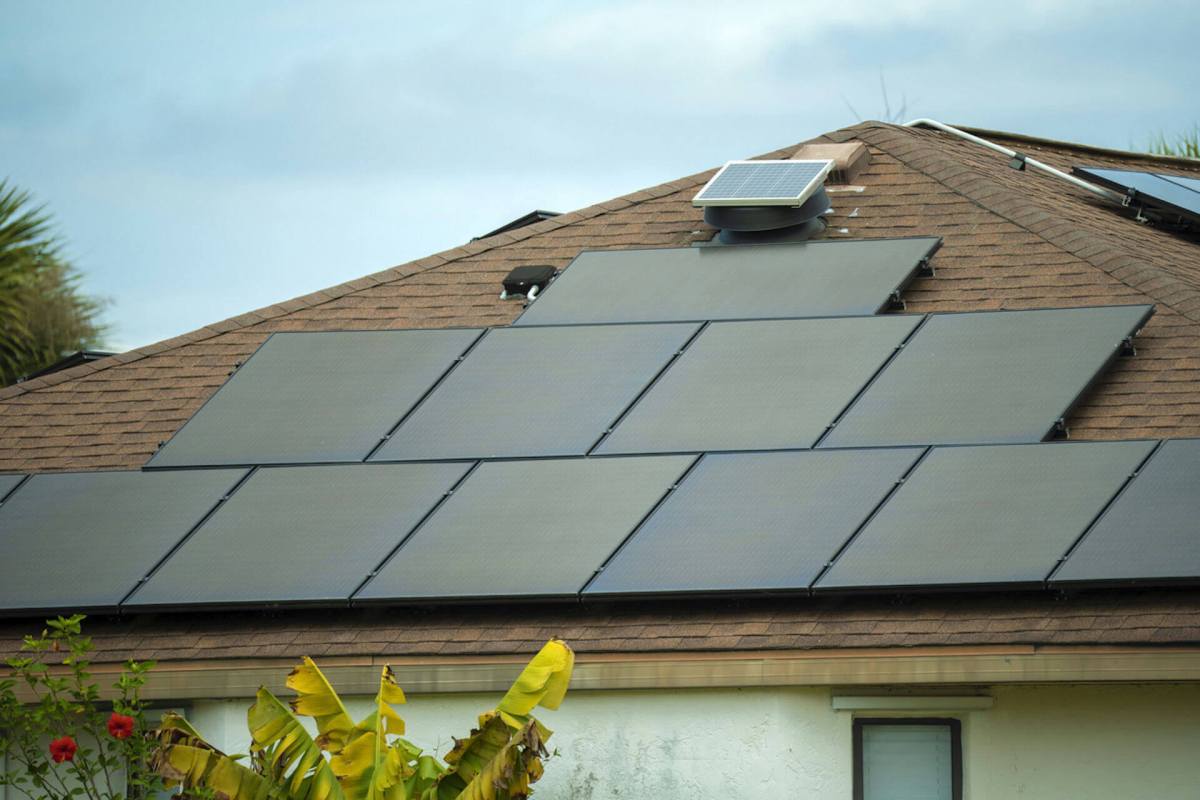
• For cabins without ideal roof space, portable solar setups can add daytime cooking power.
• Across many neighborhoods, rooftop and community solar are trimming monthly electric bills by more than $100.
• As grid upgrades raise long-term costs, rooftop solar can save households from steeper utility bills.

Get TCD's free newsletters for easy tips, smart advice, and a chance to earn $5,000 toward home upgrades. To see more stories like this one, change your Google preferences here.






