


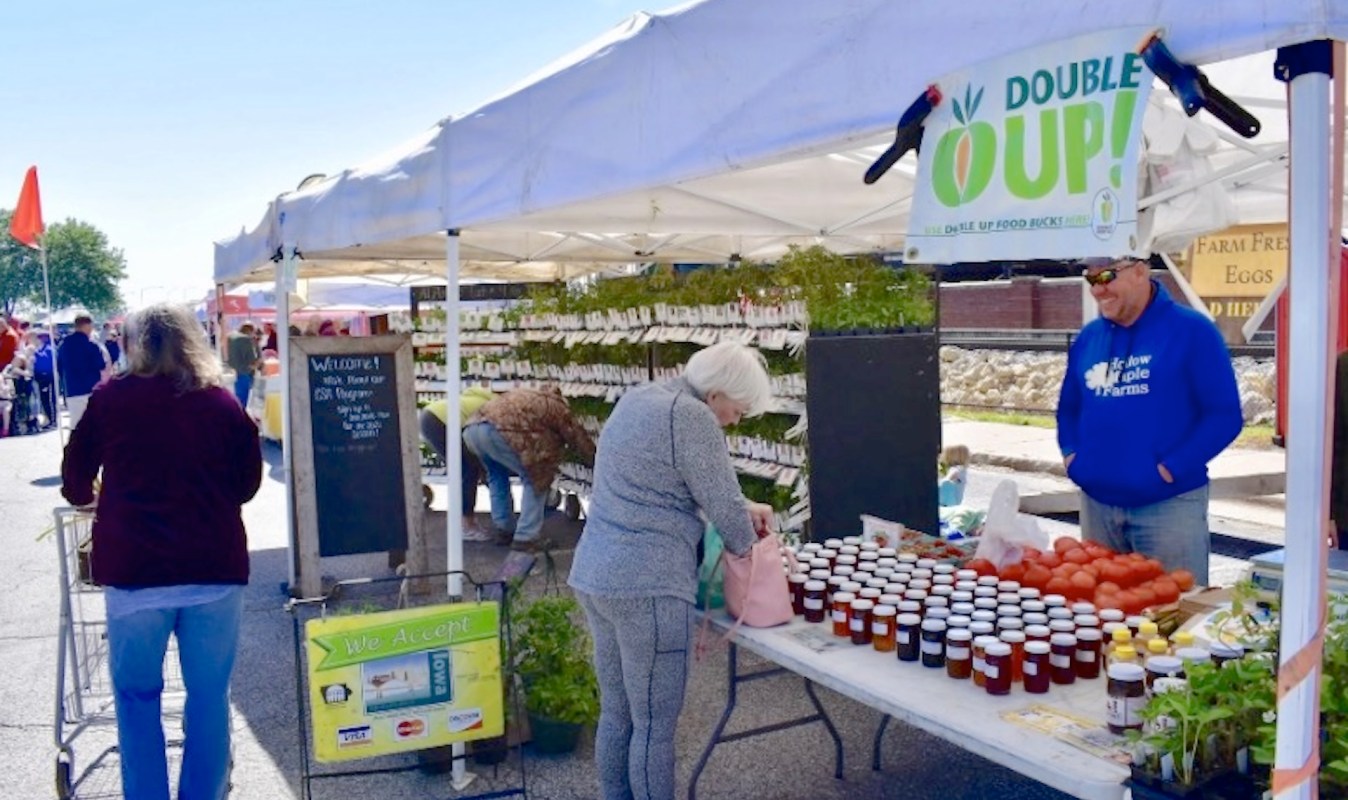
A grocery budget can go a lot further at some farmers markets than many shoppers may realize, thanks to Double Up Food Bucks, a Michigan-born program that allows qualifying SNAP users to turn a $20 purchase into $40 worth of fresh produce at participating markets.
Here's what to know
An Instagram post from Localize - Farmers Market (@localizefood.app) said Double Up Food Bucks "matches SNAP dollars spent on fruits and vegetables at participating farmers markets, dollar for dollar up to a daily limit."
That means shoppers using Supplemental Nutrition Assistance Program benefits can get a boost on food they may already be buying. As the post put it, "A shopper who spends twenty dollars in SNAP benefits can walk away with forty dollars of fresh produce."
Produce prices can make it harder for families on tight budgets to bring home enough fresh food, especially when grocery dollars also have to cover several other essentials.
The program can also benefit vendors. When SNAP shoppers have more purchasing power for fruits and vegetables, farmers markets can draw more customers and sell more locally grown food.
More background
What began in Michigan now operates across dozens of states. Food assistance programs are often discussed only in terms of household need, even though they can also help strengthen local economies. Incentives spent at farmers' markets help keep more money circulating through nearby farms and food businesses.
TCD Picks » Quince Spotlight
💡These best-sellers from Quince deliver affordable, sustainable luxury for all




A program that stretches benefits on produce can make it easier to choose fresh ingredients without sacrificing quantity. For growers, the added incentive can mean steadier sales and a broader customer base.
What can be done?
Eligible shoppers first need to find out whether their local farmers market participates. Double Up Food Bucks is not available everywhere, and the match can vary by market and its daily limit.
People who use SNAP can ask at their nearest farmers market, check with local food access groups, or contact state and community organizations that manage nutrition incentives.
The post summed up the program's reach and purpose: "The model started in Michigan and now operates in dozens of states, giving farmers more customers while stretching grocery budgets for families on food assistance."
Where can I learn more?
Communities are trying many ways to make food more affordable and support local growers, from direct-from-farm marketplaces to discount grocery apps.
• Farmish lets neighbors buy directly from local farms and sell extra homegrown produce nearby.
• In Traverse City, Michigan, a farm incubator races to replace retiring growers.
• Flashfood helps shoppers save big at grocery stores by rescuing soon-to-expire food.
These stories offer a broader look at how families can stretch their budgets while farmers and food sellers reach more customers.

Get TCD's free newsletters for easy tips, smart advice, and a chance to earn $5,000 toward home upgrades. To see more stories like this one, change your Google preferences here.







