


Cat lovers have a new small wild feline to admire from a respectful distance: the tilcayo, a newly identified tiger cat from Bolivia that researchers say is the first living cat species discovered and named in more than a century.
The finding is about more than an exciting animal discovery. Scientists say it could help sharpen conservation efforts for some of South America's most elusive predators.
Here's what to know
In research highlighted by Gizmodo, scientists compared genome data from 38 cats in the Leopardus genus, including 26 tiger cats. Their results suggest there are at least five distinct tiger cat species across South America.
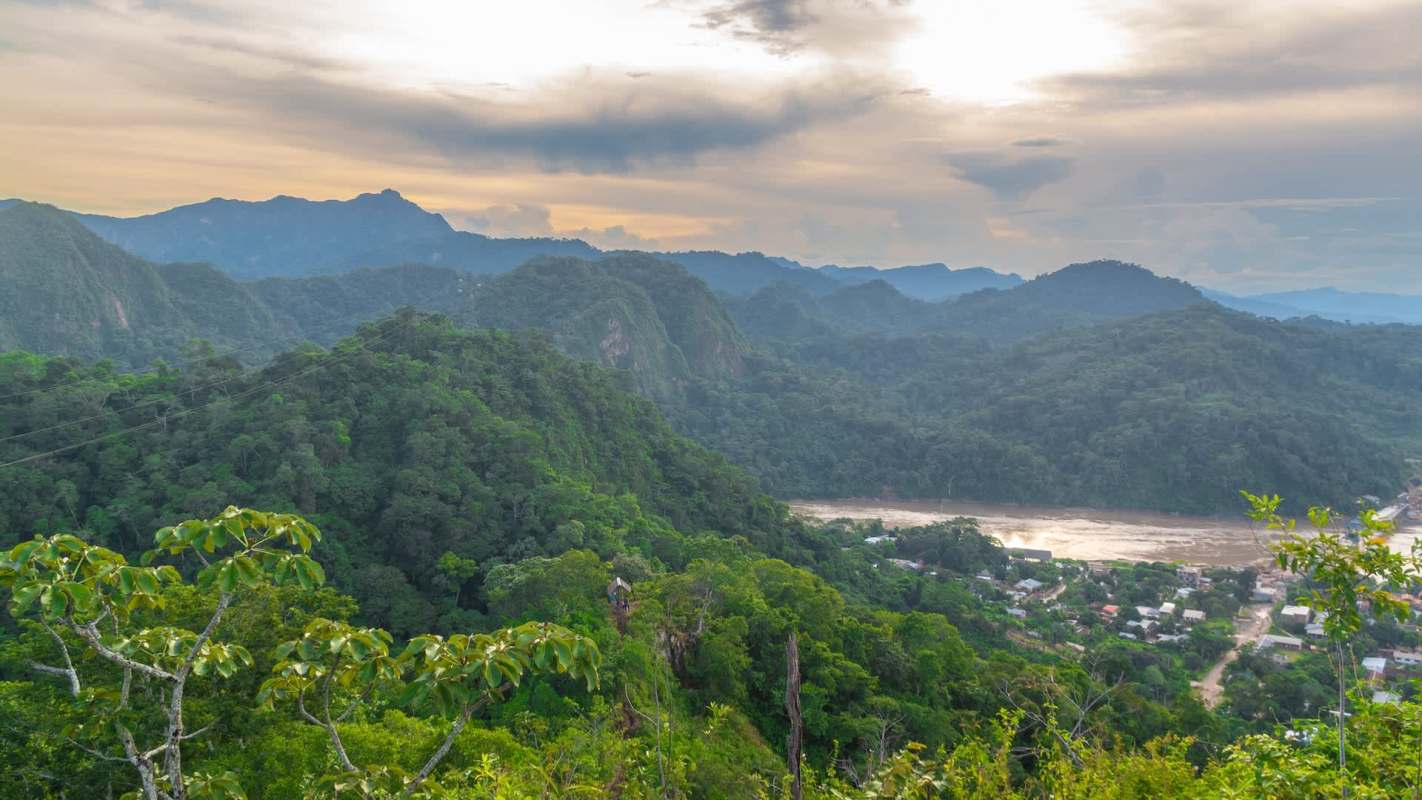
One of those lineages was found in Bolivia and had not been documented before, so the team named it Leopardus tilcayo.
Beautiful new cat species is first to be named in a century https://t.co/KA2V0z4CXb https://t.co/3ezr1HgGor
— New Scientist (@newscientist) September 17, 2026
"The tilcayo is the first living cat species to be discovered and newly named in over a century," said Jonas Lescroart, the study's lead author and an evolutionary ecologist at the University of Antwerp in Belgium.
Despite the name, tiger cats — also called oncillas — are small, usually about 1 to 2 feet long and weighing roughly 4 to 6 pounds. Their striped or spotted coats help them stay hidden, and because these cats can look so similar, researchers have had difficulty telling species apart without genetic testing.
TCD Picks » Quince Spotlight
💡These best-sellers from Quince deliver affordable, sustainable luxury for all




Beyond the tilcayo finding, the study supports treating Leopardus emiliae and Leopardus pardinoides as separate species and also identifies a previously unknown subspecies, L. tigrinus antisuyo.
More background
Conservation plans depend on correctly identifying which animals exist and where they live. When researchers group several distinct species into one, smaller, more threatened populations can slip through the cracks.
Museum specimens were part of the project too, allowing older collections to help answer current scientific questions.
"Importantly, our study did not rely only on fresh samples. We also analyzed specimens preserved in natural history museums, showing how these collections can provide valuable genetic information and help answer questions that would otherwise be difficult or even impossible to investigate," said Paola Nogales Ascarrunz, a scientist with the National Geographic Society and a wild cat conservation expert in Bolivia.
The name "tilcayo" comes from the word local residents in the area use for tiger cats.
What's being done?
Lescroart said the next immediate priority is to revisit how these cats are classified for conservation. He said the two currently recognized tiger cat species are listed as vulnerable on the IUCN Red List, and some of the newly distinguished cats could be at even greater risk.
Researchers also included specimens from the Guianas.
"We have already shared our findings with IUCN and in their upcoming reassessment of tiger cats, they will treat each unit separately, which will result in more accurate assignment of conservation categories," Lescroart said.
Where can I learn more?
These stories look at wild cat recoveries, conservation wins, and animal reintroduction efforts.
• In Spain and Portugal, the Iberian lynx population recovery marks a major conservation rebound.
• In Thailand, camera traps captured the flat-headed cat again after nearly 30 years.
• Worldwide, researchers found conservation actions can work when governments and communities follow through.
• On tribal lands, Indigenous leaders are bringing buffalo back home to restore ecosystems.
• In the United States, white-tailed deer conservation became one of wildlife management's biggest success stories.

Get TCD's free newsletters for easy tips, smart advice, and a chance to earn $5,000 toward home upgrades. To see more stories like this one, change your Google preferences here.






