


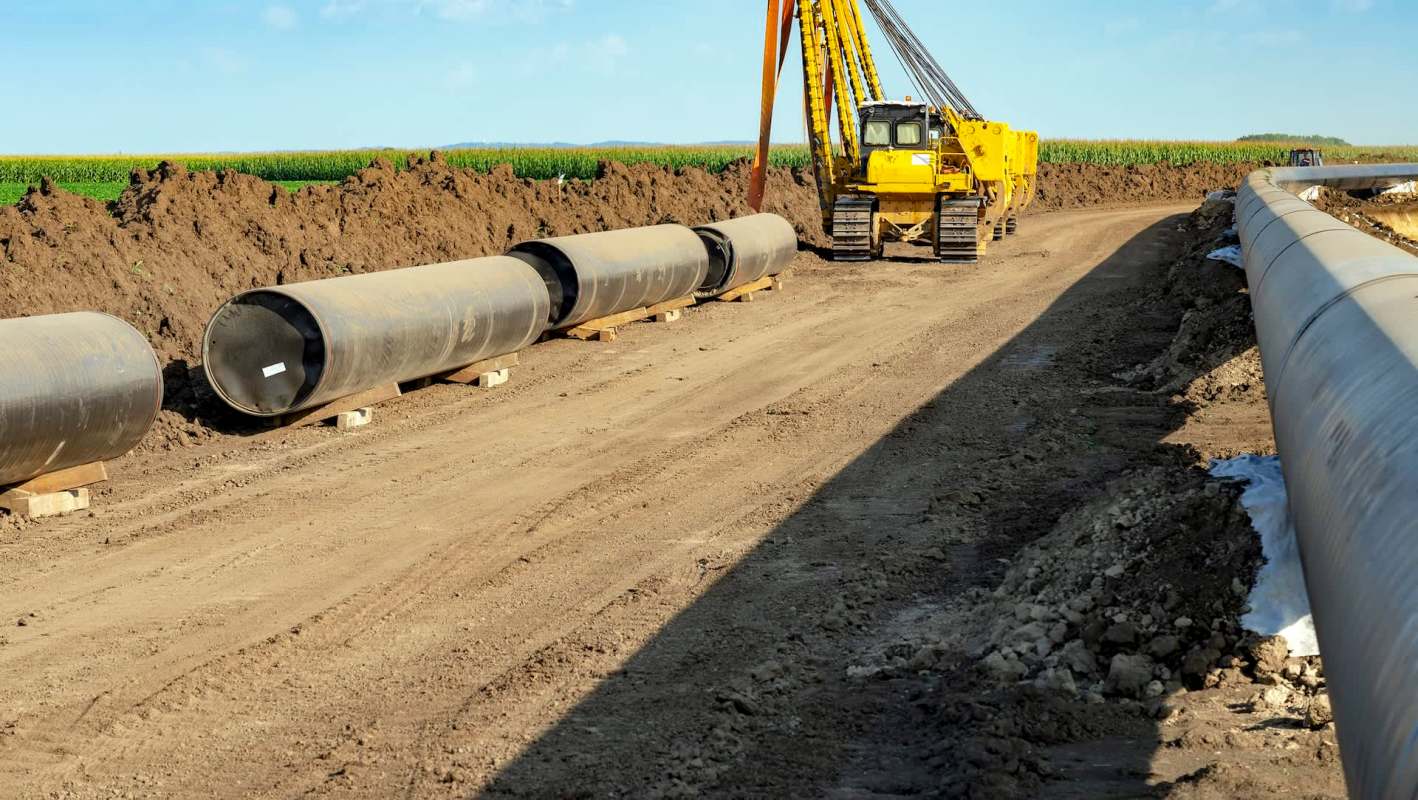
A federal court has once again put a controversial natural gas pipeline planned off Staten Island's shores on hold, handing environmental groups another win in a long-running battle over whether the project should move forward.
The ruling could have consequences far beyond the waterfront. The project's future may also influence gas costs for National Grid customers on Staten Island and across New York City.
Here's what to know
According to the Staten Island Advance, the U.S. Court of Appeals for the Third Circuit ruled for environmental groups contesting New Jersey's approval of the Northeast Supply Enhancement project.
The court found that the New Jersey Department of Environmental Protection did not sufficiently explain why the pipeline should be certified and did not allow enough opportunity for public comment.
The proposal is a $1 billion effort to improve New York's connection to fracked gas supplies from Pennsylvania. It includes a 17.4-mile underwater pipeline running through the Raritan and Lower New York bays off Staten Island, along with related piping and facility upgrades in New York, New Jersey, and Pennsylvania.
National Grid has cited rising regional energy demand — including pressure from artificial intelligence facilities — as the reason it needs the line. The pipeline's fate will help determine whether the utility's gas customers on Staten Island and elsewhere in New York City cover the cost of a new interstate line through delivery rates.
TCD Picks » Quince Spotlight
💡These best-sellers from Quince deliver affordable, sustainable luxury for all




Still, the judges did not shut the project down for good. New Jersey regulators can revisit the approval and try to fix the problems the court identified, so the decision delays the project rather than ending it permanently.
More background
Both New York and New Jersey had denied the project because of its expected impact on nearby waterways, the Advance reported.
That changed when developer Transco submitted a 2025 application that ultimately secured approval from both states, reviving a proposal that had already become a major regional flashpoint.
In a separate matter, the U.S. Court of Appeals for the Second Circuit on Aug. 21 dismissed a similar environmental challenge aimed at the New York Department of Environmental Conservation. That leaves one key state approval intact while the other must undergo further review.
If the project eventually moves forward, the cost of major gas infrastructure could flow through utility systems and into household bills. If the project remains tied up in court or is denied, that spending could be postponed or avoided.
The non-renewable energy industry plays a major role in intensifying extreme weather disasters that cause damage and danger to property and people. It also contributes to the pollution of our air and water, an issue that is linked to asthma, heart disease, cancer, and premature death, while keeping families tied to volatile energy costs even as corporate profits rise and lobbying efforts slow cleaner, cheaper alternatives.
What's being done?
Environmental groups are continuing to use the courts and the public process to challenge pipeline approvals they believe are incomplete or unlawful. In this case, that strategy succeeded in forcing another review of New Jersey's certification.
The ruling said major energy projects must meet procedural requirements, including giving the public a meaningful chance to weigh in and clearly explaining why approvals are justified despite environmental concerns.
Transco's next step is to work with state agencies on the issues the court identified. Williams, Transco's parent company, has said that it still expects the project to move ahead and is targeting late 2027 service after a ceremonial April groundbreaking at Floyd Bennett Field in Brooklyn.
Williams spokesperson Cherlice Corley said the company remains confident.
"At this time, we do not expect the decision to adversely affect project construction or the anticipated in-service timeline," she said, according to the Advance. "[The Northeast Supply Enhancement] will provide critical infrastructure that strengthens energy reliability and supports the region's growing energy needs."
Where can I learn more?
The Staten Island case is unfolding alongside other fights over gas infrastructure, climate accountability, and the health toll of pollution caused by burning non-renewable resources. These stories show how a single pipeline dispute can spill into bigger questions about the courts, public health, and energy policy far beyond the harbor.
• Federal judges in Tennessee blocked a new pipeline after warnings of irreparable environmental harm.
• In North Carolina, records tied to Transco raised air pollution concerns around another gas expansion.
• Montana officials asked the Supreme Court to overturn these young activists' win over state climate policy.

Get TCD's free newsletters for easy tips, smart advice, and a chance to earn $5,000 toward home upgrades. To see more stories like this one, change your Google preferences here.






