


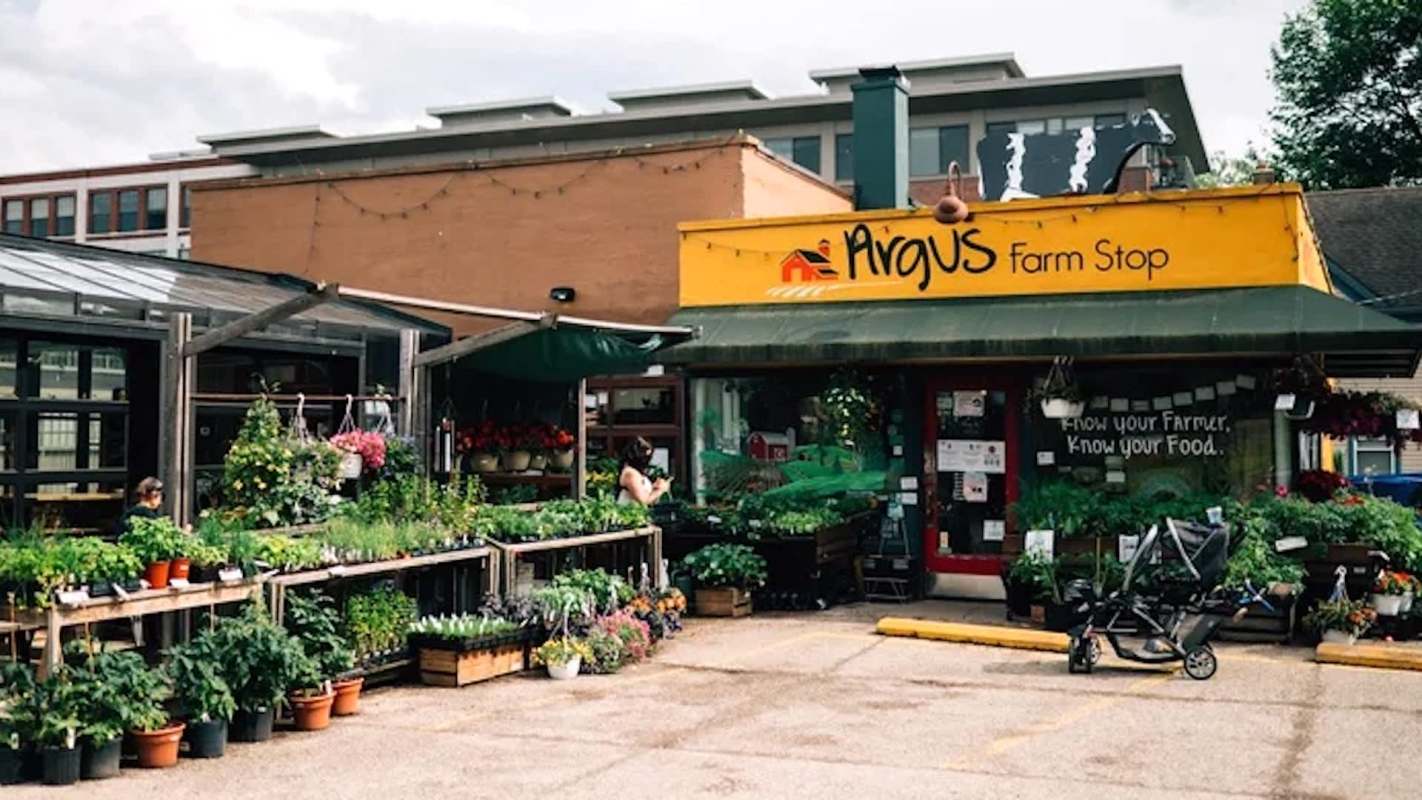
A Michigan grocery model is drawing attention for flipping the usual food-retail equation in farmers' favor.
At Argus Farm Stop in Ann Arbor, local growers do not just supply the food; they also decide what it costs and help manage how it is sold.
Here's what to know
According to Localize (@LocalizeFood.App), Argus Farm Stop runs year-round as a consignment market, and farmers both set their own prices and come back to restock their shelves.
Rather than turning products over to a retailer that decides pricing and presentation, farmers stay closely involved in the process all the way to the shelf.
"Farmers keep about 70 cents of every dollar their food sells for there, compared with roughly 15 cents at a typical grocery chain," the caption read.
Localize said the concept is no longer limited to Ann Arbor, with more than a dozen comparable farm stops operating nationwide as of Sept. 11.
TCD Picks » Quince Spotlight
💡These best-sellers from Quince deliver affordable, sustainable luxury for all




More background
A year-round setup can provide steadier access to nearby produce, pantry staples, dairy, meats, and prepared foods, depending on what local farms offer.
When farmers have more control over pricing and inventory, shoppers may get more transparency about where products came from and why they cost what they do.
If more of each sale stays with the farmer, that money is more likely to support local businesses, workers, and agricultural operations in the surrounding community.
These kinds of markets can make fruits, vegetables, and other lower-impact foods feel more practical and appealing in everyday life.
What can be done?
Farm stops offer a concrete, scalable alternative to the standard grocery supply chain. Communities do not need to reinvent the entire food system overnight to support farmers more fairly; they can create more places where local producers keep a larger share of the revenue.
Consumers can support that shift by shopping at farm stops, farmers markets, food co-ops, and community-supported agriculture programs when those options are available. Even buying a portion of weekly groceries locally can help strengthen nearby farms.
If more cities adopt the same approach, shoppers could end up with fresher food and more resilient local supply networks, while farmers gain a more sustainable path to staying in business.
Where can I learn more?
Farmers are trying to keep more of the value they create, whether that means rethinking how food is sold, changing how land is used, or adding new income streams.
Growers tend to do better when they have more say in how they produce, market, and earn from what they raise.
• Former factory livestock farmers are becoming vegetable growers with help from a dedicated organization.
• Across the US, farmers are finding new revenue from agrivoltaics while keeping land in production.
• On cropland, growers are testing solar panels above vegetables to protect crops and diversify income.
• In Nigeria, farmers are adopting solar-powered irrigation systems that lower costs and stabilize harvests.
• In India, farmers are using solar panel irrigation to make fieldwork more reliable.

Get TCD's free newsletters for easy tips, smart advice, and a chance to earn $5,000 toward home upgrades. To see more stories like this one, change your Google preferences here.






