


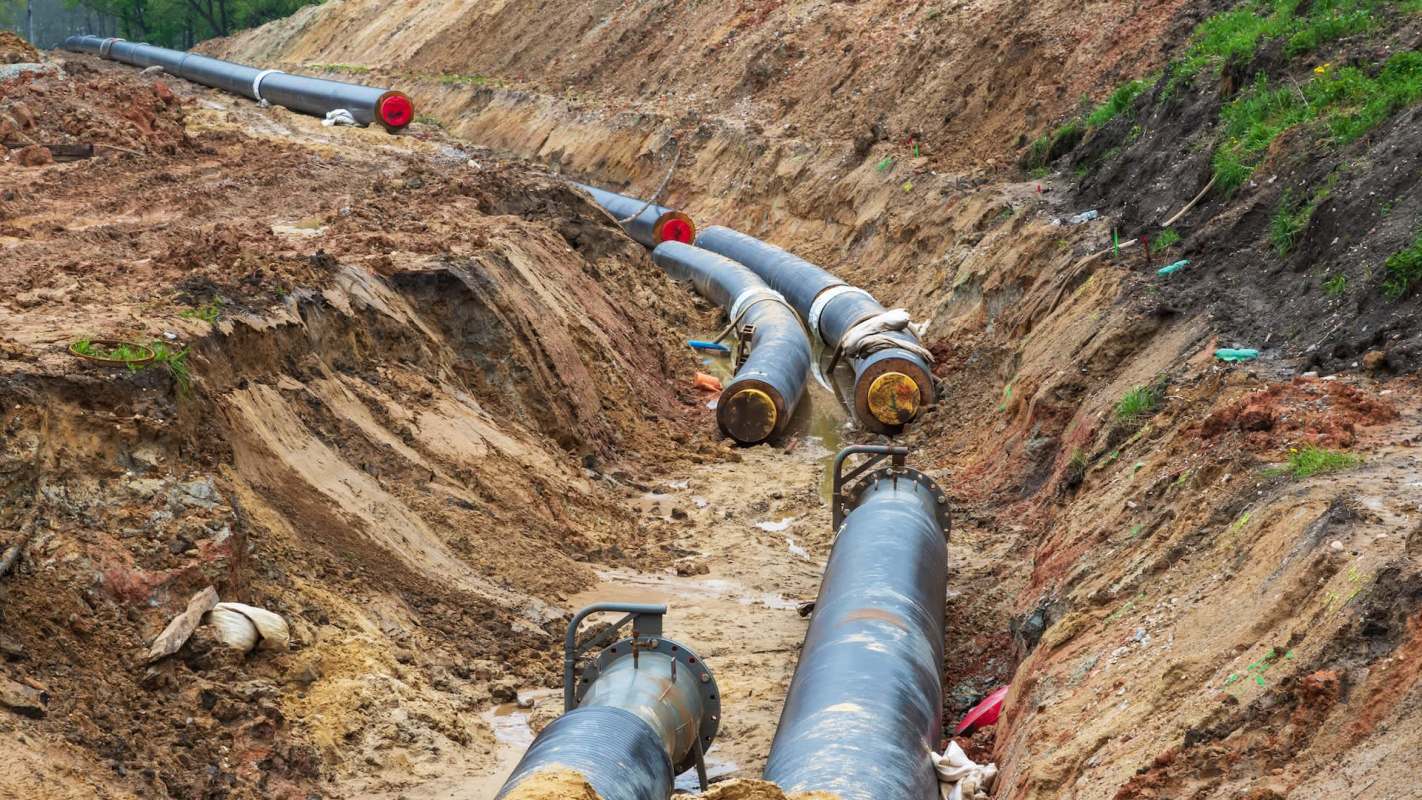
Pennsylvania gas customers are paying far more each month after utilities poured billions into replacing pipelines from 2013 to 2025.
A report said those infrastructure programs helped drive a 67% average increase in residential monthly bills.
Here's what to know
From 2013 to 2025, Pennsylvania's six largest gas utilities directed about $11 billion to pipeline replacement, according to a Building Decarbonization Coalition analysis cited by Pipeline & Gas Journal.
The study looked at PECO Energy, Columbia Gas of Pennsylvania, UGI Utilities, National Fuel Gas, Philadelphia Gas Works, and Peoples Natural Gas. Over that span, it found the cost of replacing a mile of pipeline rose from roughly $1.2 million to $2.8 million.
BDC calculated that each newly installed mile of gas main amounted to about $40,000 for every residential customer.
The report said Act 11, a Pennsylvania law passed in 2012, helped support that spending by letting gas utilities accelerate distribution-system investments and recover eligible infrastructure costs through surcharges billed to customers.
TCD Picks » Quince Spotlight
💡These best-sellers from Quince deliver affordable, sustainable luxury for all




More background
BDC estimated that charges linked to gas system investment and delivery now account for about two-thirds of a standard residential gas bill in Pennsylvania.
When fixed delivery charges rise, families can end up paying more even when they try to conserve energy, straining already tight monthly budgets.
What's being done?
BDC called on Pennsylvania to change Act 11 so pipeline investment targets safety-critical projects rather than broad gas system replacement with costs automatically shifted to customers.
The group also said utilities should be required to consider other approaches before replacing pipes, including neighborhood-scale electrification or thermal networks in areas where aging gas lines would otherwise set off another expensive rebuild.
Among its other proposals are long-term planning for the gas system, greater transparency in infrastructure spending and rate cases, and closer coordination between gas and electric utilities.
The debate could help determine whether future energy costs keep rising through surcharges or whether regulators push for less expensive solutions.
Where can I learn more?
Utilities elsewhere are asking customers to cover the cost of aging fossil fuel infrastructure. That pressure is showing up in gas systems and power plants elsewhere, even as some communities start shifting to cleaner alternatives.
• In Massachusetts, utilities poured $100 million into gas lines even after 10 communities went fossil fuel-free.
• In Washington, methane emissions rules faced backlash as opponents warned of higher energy costs.
• Across the U.S., keeping old coal plants alive is costing ratepayers hundreds of millions.

Get TCD's free newsletters for easy tips, smart advice, and a chance to earn $5,000 toward home upgrades. To see more stories like this one, change your Google preferences here.






