


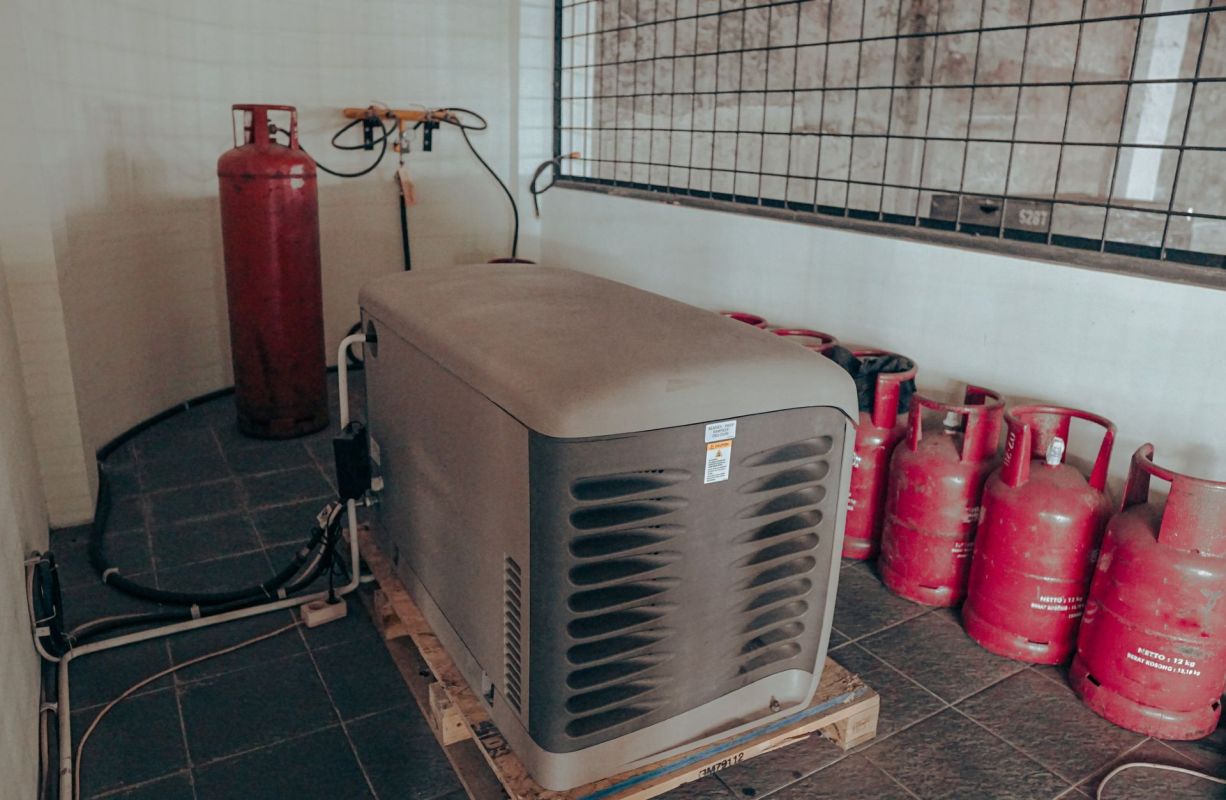
Shopping for a propane generator can get confusing quickly, especially with so many user reviews complaining about issues. For buyers comparing popular inverter models, review sections filled with complaints about regulators can make dual-fuel units seem like a gamble.
Here's what to know
One discussion among generator shoppers suggests unfamiliarity with propane startup steps and user error may be the main culprit. In a post on Reddit, a shopper considering Champion, WEN, and Westinghouse inverter models in the 3,500- to 4,500-watt range said review after review mentioned difficult propane starts and regulator replacements.
Their main concern was whether propane trouble is simply part of owning a generator in that size class, along with whether some brands are easier to use and more dependable. As the poster asked, "Is this the deal across most generators of this size/capacity when using propane?"
Many replies said the usual issue isn't the generator itself, but how it's started.
One commenter put it plainly: "Most propane start issues are user issues, not generator." Another added, "Turning on the tank gas valve too quickly is problematic. Forgetting to prime the LP demand regulator is just as problematic."
The repeated explanation was that the hose can contain air before startup. If that air hasn't been cleared, the engine may crank before propane reaches it, making a fueling delay look like a bad regulator.
TCD Picks » Quince Spotlight
💡These best-sellers from Quince deliver affordable, sustainable luxury for all




More background
For many generator shoppers, the appeal of dual-fuel and tri-fuel generators is the ability to switch fuels as needed. Propane also offers a storage advantage over gasoline because it avoids the carburetor problems that stale gas can cause.
One commenter wrote, "Propane and natural gas give you 10% and 20% less wattage to work with, but they run cleaner than gasoline."
Other commenters said their propane units start reliably once the fuel line is properly purged. One wrote, "I have a wen, use propane, start it every few months with no problem. Highly recommend." Another said, "We have a Wen, and we have a Champion. These were great once we figured out to let the gas have more time to fill the line."
What can be done?
One reply noted that many manuals are rarely read and already explain that the hose needs to be purged before starting the generator.
Beyond that, commenters pointed to a few other details that can matter. One suggested checking whether the spark plug is set up well for propane use, while others stressed giving fuel time to move through the hose, following the manufacturer's priming procedure, and opening the tank valve slowly rather than all at once.
Another commenter said weaker propane vaporization in lower temperatures can make a larger tank, or even two tanks connected together, helpful.
As one commenter wrote, "Reading the instructions on how to crank the generator solves most of these problems." Another addressed the root of the issue directly: "You have to get the fuel moving."
Where can I learn more?
For generator buyers considering propane, the decision can reach beyond startup quirks to bigger questions about gas fuel, safety, and energy policy. The articles here add context, from the propane industry's messaging to the way gas appliances, homebuilding decisions, and state rules shape the alternatives people weigh.
• Leaked recordings showed the propane industry attempting to deceive the public while distancing itself from coal.
• Best Buy recalled nearly 4,000 gas ranges after pets and people could turn burners on.
• In Syracuse, a developer backed all-electric homes instead as the state prepared to ban gas hookups.
Read alongside the generator discussion, they offer useful context for anyone deciding whether propane's convenience is worth the trade-offs.

Get TCD's free newsletters for easy tips, smart advice, and a chance to earn $5,000 toward home upgrades. To see more stories like this one, change your Google preferences here.






