


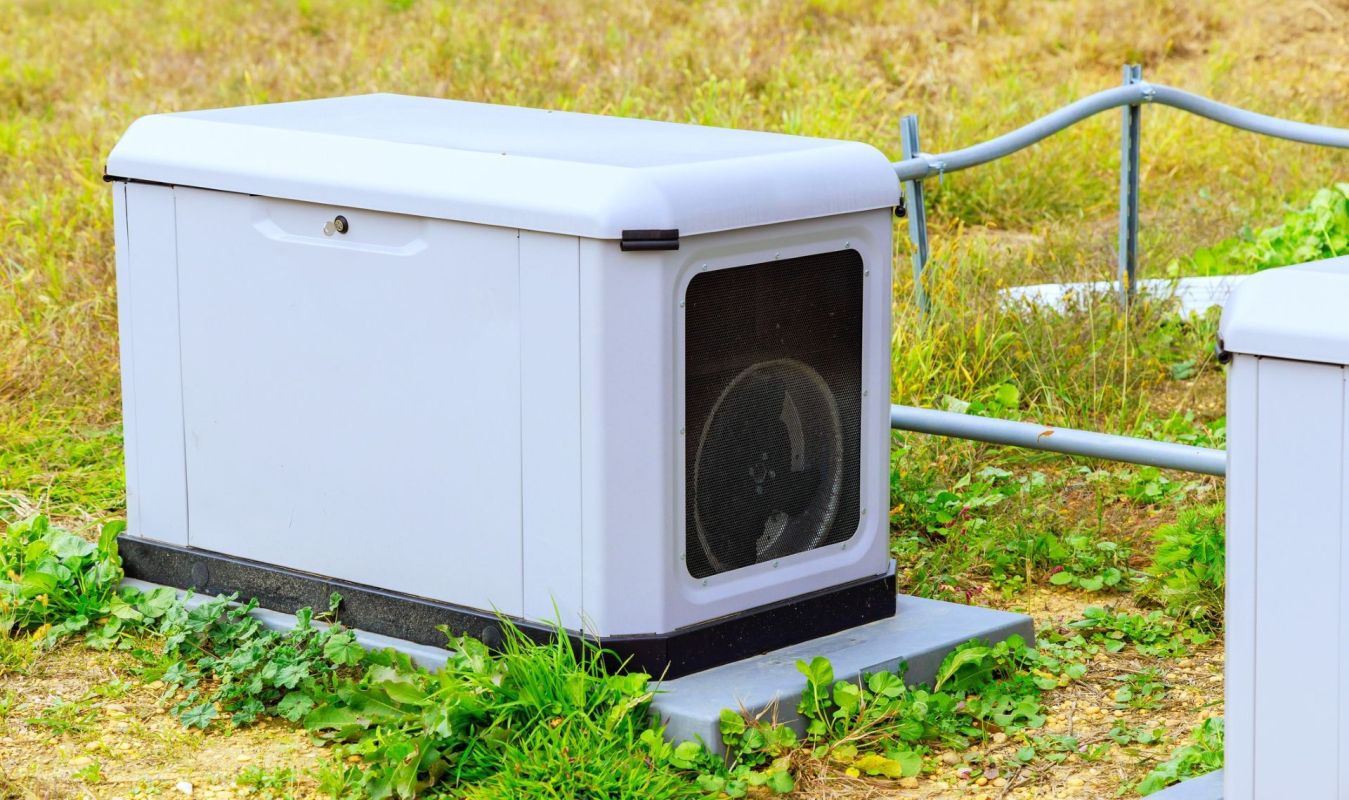
Anyone pricing backup power systems eventually reaches the same crossroads: deciding between a battery and a generator.
In one online thread, two senior women considering a 20-24 kilowatt-hour home backup setup asked Reddit's r/Generator community which made more sense.
Here's what to know
The issue was raised directly in the Reddit post, where the original poster, who described herself as a prepper, said concerns about "civil unrest" and "EMP disruption" were part of the reason for exploring backup power and asked about the "dependability and safety of a natural gas generator versus battery+solar setup."
Commenters who had already lived with these systems steered the discussion toward outage length. One owner said, "I just had a generac installed even though I have solar. Batteries would not be enough backup with a hurricane outage."
The same person also wrote, "I may look into batteries when they become cheaper and last longer," underscoring a tradeoff many homeowners are still weighing. A battery setup can keep essential devices running without engine noise or exhaust, but its usefulness still depends on storage capacity and available solar production.
Another commenter recommended a combination setup, with a preference for batteries, writing, "Battery works best if paired with some solar or/and a small generator… With battery+ solar eventually you'll get your money back in reduced electric bills, with [a generator], you'll spend extra regardless if you ever use it or not. When in use, whole house generators drink a lot of fuel."
TCD Picks » Quince Spotlight
💡These best-sellers from Quince deliver affordable, sustainable luxury for all




Other users also advocated for a non-fossil-fuel approach. One wrote, "I have had my solar [and batteries] for about a year. Never had the battery not last through our frequent outages… Remember if you just go with a generator it sits there doing nothing until you need it and hope it starts. Also solar you use everyday reducing your everrising electricity bill, while a generator only on the days the power fails."
More background
A whole-home battery tied to solar can provide seamless backup, but some households may become less confident once an outage stretches beyond the first day.
While battery systems have different limitations than gas generators, they avoid on-site fuel storage and run silently, which can be a major benefit in residential areas. Additionally, they don't produce the fumes that result in the accidental deaths of nearly 100 Americans a year, per the US Consumer Product Safety Commission.
Before buying anything, it helps to map out the practical details, including the location of any transfer switch or power inlet and whether the solar setup is able to operate during an outage.
Where can I learn more?
The articles below dig into the same decision from a few different angles: how batteries, solar, and generators hold up when the power goes out. They include homeowner experience with long outages, winter solar performance, and battery upgrades.
• For homeowners weighing winter resilience, backup solar cuts more than outages, lowering bills between storms.
• After two off-grid years, one homeowner showed solar still works in winter with careful storage.
• In rural Wisconsin, repeated blackouts left one family sitting in the dark and eyeing batteries.
Reading through them can make the tradeoffs easier to sort through before you commit to one setup. Outage length, fuel access, and day-to-day savings all play into what dependable backup power actually looks like at home.

Get TCD's free newsletters for easy tips, smart advice, and a chance to earn $5,000 toward home upgrades. To see more stories like this one, change your Google preferences here.






