


Shopping for backup power can get complicated for anyone worried that a blackout could strike while no one is home.
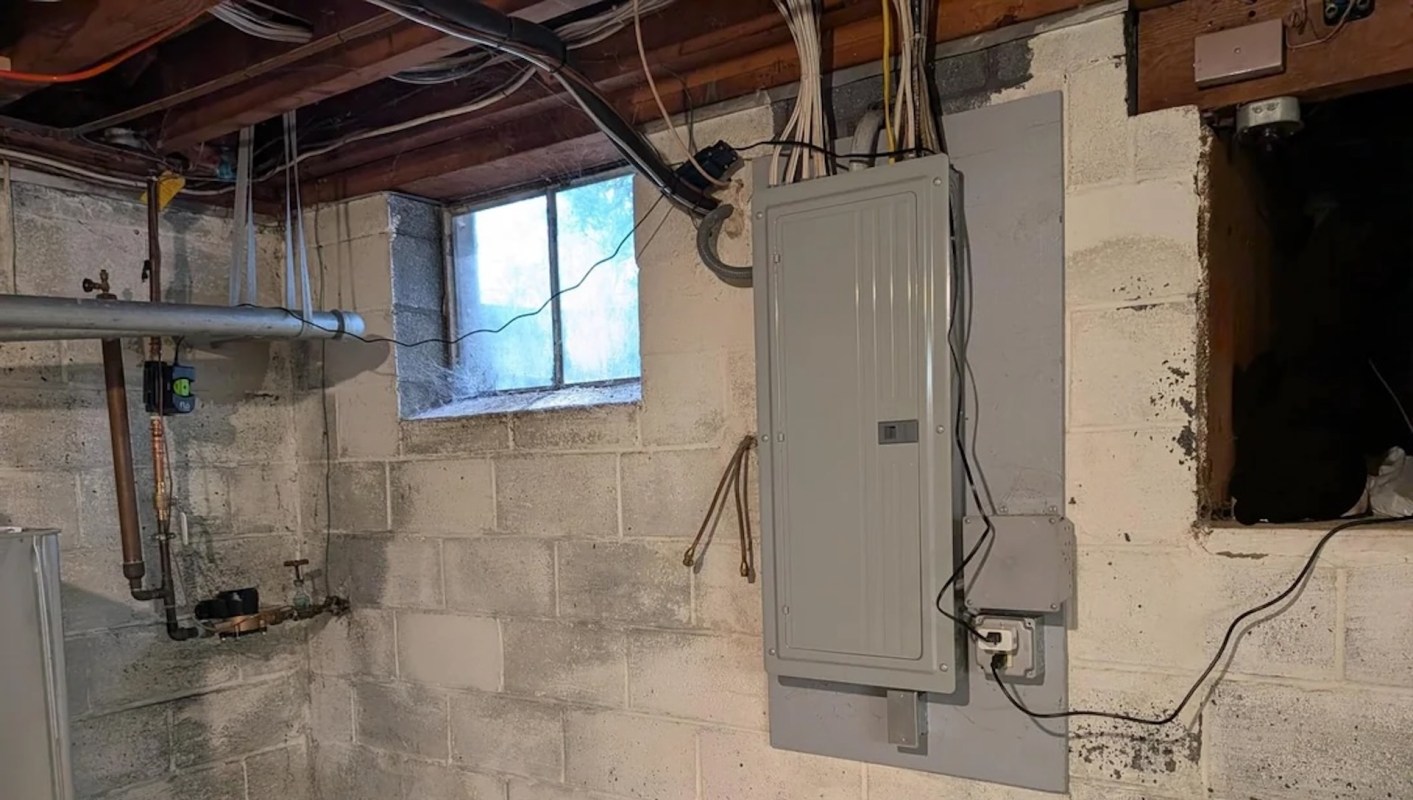
One homeowner facing this situation took to Reddit's r/Ecoflow_community subreddit to ask for guidance on an automatic backup power system for a 2,200-square-foot house with an oil furnace and two sump pumps.
Here's what to know
The original poster, who signed the message as Bob, said that solar was not part of his plan and that he intended to recharge the batteries with a gasoline generator. He wanted dependable short-term backup with automatic switchover.
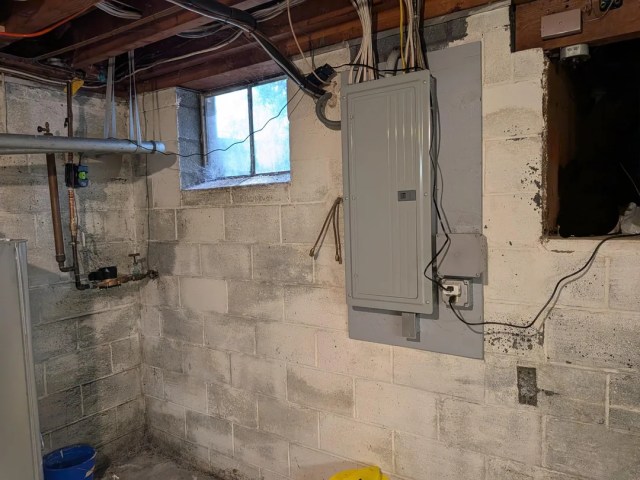
The ultimate goal, Bob said, was "looking for temporary backup during power outages." He later clarified his needs, writing, "I'm just looking to get through a day or so of a power outage, powering 2 sump pumps and an oil furnace if it's winter. No solar."
For homes with sump pumps, losing electricity during heavy rain can quickly lead to flooding and costly water damage.
One commenter framed the decision around electrical load, writing, "If it's 30 amps or less, you can get by with one Delta Pro Ultra, but it will only have an output of 7.2kW. If anything requires more than 30 amps (or more than 7.2kW), you'll either need a 2nd DPU (combined with a SHP2, they can run things up to 60 amps @ 14.4kW), or you'll need a Delta Pro Ultra X and SHP3 (which can handle 50 amps @ 12KW)."
Another wrote, "It's probably good to share your monthly consumption including the differences on summer and winter. Consumption varies a lot. And for calculating solar potential the geographic region is certainly relevant too."
Because capacity can be expanded, a homeowner can begin by covering only essential loads and add more batteries later if needs change or if solar eventually becomes part of the equation.
Save $10,000 on solar panels without even sharing your phone number Want to go solar but not sure who to trust? EnergySage has your back with free and transparent quotes from fully vetted providers in your area. To get started, just answer a few questions about your home — no phone number required. Within a day or two, EnergySage will email you the best options for your needs, and their expert advisers can help you compare quotes and pick a winner. Solar panels can save you more than $50k over their 25-year lifespan, and EnergySage can help you save as much as $10k on installation. Which begs the question — isn't that worth an email or two? |

Plus, a licensed electrician or installer can help determine the startup wattage for sump pumps, the power draw from an oil furnace, and whether an automatic transfer setup would stay under a 30-amp threshold or require something larger.
Still, adding battery storage is one of the best ways to protect your home during outages, save money on energy, and go off-grid.
Even without solar panels, a battery can help households avoid spoiled groceries or medicines, hotel stays, heavy generator fuel use, or expensive basement flooding. In some areas, it can also make it possible to store cheaper electricity for later use, depending on local utility rates.
Where can I learn more?
Bob's question gets at a common homeowner dilemma: how to keep the house running during an outage when automatic backup matters and solar isn't in the picture. The articles here cover a range of approaches.
• Startup Pila Energy is building seamless home batteries that keep appliances running automatically.
• Energy experts say the most inexpensive backup can still keep essentials running.
• After a heat wave outage, one homeowner relied on a portable propane generator.
For homes with sump pumps and heating equipment, the decision on how to protect your home can turn urgent fast when no one is there to respond.

Get TCD's free newsletters for easy tips, smart advice, and a chance to earn $5,000 toward home upgrades. To see more stories like this one, change your Google preferences here.






