


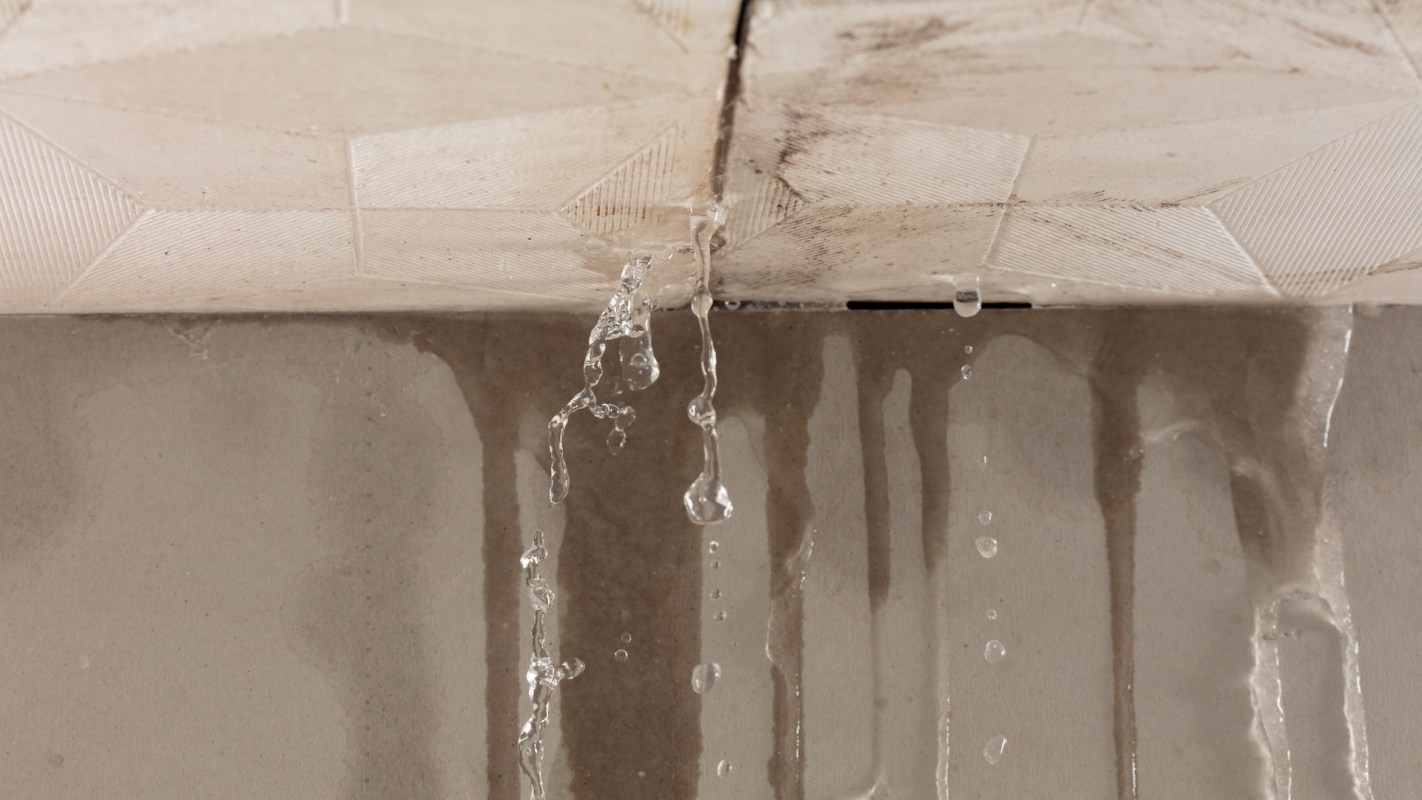
A Queensland homeowner said what was supposed to be a roof restoration turned into an expensive cleanup when a contractor pressure-washed an unsarked tile roof and sent dirty water into the ceiling cavity.
The homeowner said the work left insulation soaked with mud slurry, water dripping inside the home, and questions about whether the damage should have happened at all.
Here's what to know
On Reddit, the homeowner said they hired someone to clean, seal, and paint a Monier concrete tile roof. Only after checking the roof cavity during the job, they said, did they realize the roof was unsarked — meaning there was no protective membrane beneath the tiles. They wrote that "high-pressure water and roof grime flooded into my ceiling cavity" and said joists, plasterboard, and insulation were "heavily saturated."
The homeowner said the contractor wanted to keep going and told them, "Leaking while high pressure cleaning is normal." The homeowner said they stopped the job so the space could dry before sealing or painting because they were worried about mold growth, ceiling sagging, and paint failure.
Soaked insulation can lose much of its thermal performance, adding possible costs for replacement and mold remediation.
"'Some' ingress is unavoidable when passing along the front lip of the tiles to guarantee a good clean, but nothing like what you have described," one commenter who noted they clean roofs often wrote. That matched the broader view in the thread.
TCD Picks » Quince Spotlight
💡These best-sellers from Quince deliver affordable, sustainable luxury for all




More background
Whether a roof is sarked or unsarked can affect pressure cleaning. Without that barrier beneath tiles, water pushed upward or forced through gaps can enter the roof cavity more easily.
An ex-roof restorer in the discussion said the right cleaning approach varies with the roof's condition and that avoiding water intrusion "is a bit of an art." They added that they always warned customers ahead of time that some ingress was possible, especially when the cleaning was intensive.
Several people argued that the contractor should have assessed the risk before starting. One said they would "expect the roofing contractor to do their due diligence and inspect the roof before using a pressure washer," while the aforementioned user said, "Anyone with half a brain inspects the roof and would be able to determine how high the risk of this is."
What can be done?
Homeowners in similar situations can photograph water intrusion, damaged insulation, stained plasterboard, and active dripping.
Among the steps suggested by commenters were asking for the contractor's insurance details, seeking new insulation, replacing plasterboard that cannot be saved, repainting water-damaged ceilings, and arranging mold remediation. Multiple people also suggested contacting the Queensland Building and Construction Commission if the contractor refuses to take responsibility.
Before work begins, it's important to ask about whether the roof is sarked or unsarked, the cleaning method, precautions to prevent interior water damage, and whether the contractor has those expectations in writing.
Where can I learn more?
Roof leaks and water damage can cost homeowners long after a crew leaves. These articles highlight questions over roof work, water intrusion, and responsibility.
• In Texas, a homeowner said solar panels left his roof leaking for months after installation.
• A tenant faced an astronomical water bill after a landlord refused leak-related credit.
• Cities are testing smart blue roof technology to hold stormwater before drains overflow.

Get TCD's free newsletters for easy tips, smart advice, and a chance to earn $5,000 toward home upgrades. To see more stories like this one, change your Google preferences here.






