


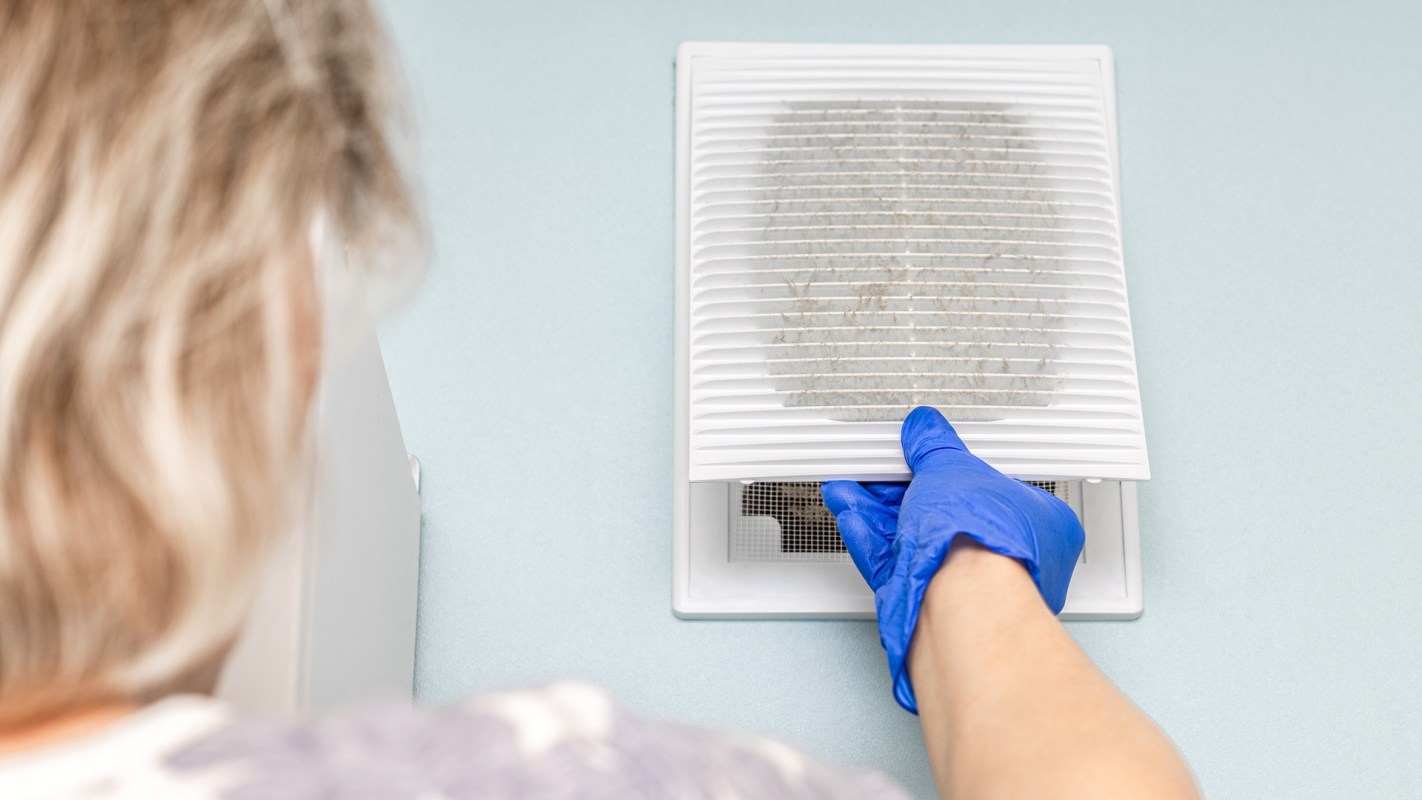
After removing a vent cover in an older house, a recent buyer found the duct packed with what looked to them like mold.
What happened?
The homeowner took the question to Reddit with a photo of the buildup, asking if the situation meant mold remediation, duct cleaning, or a full replacement of the ductwork.
"Please tell me this isn't mold," they wrote.
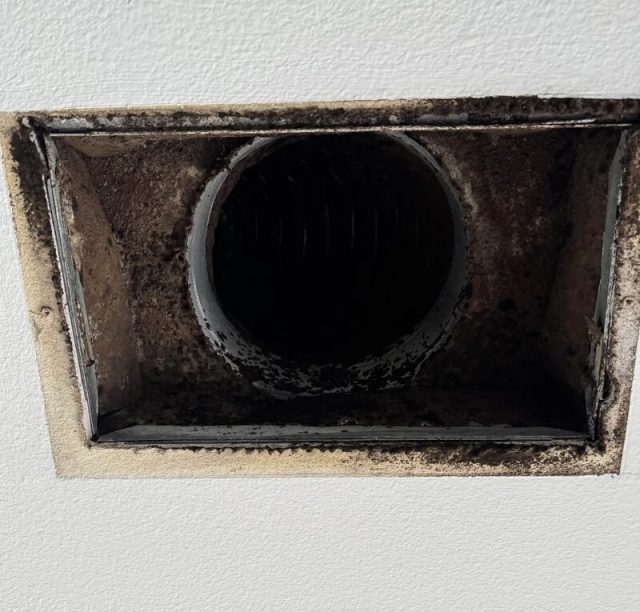
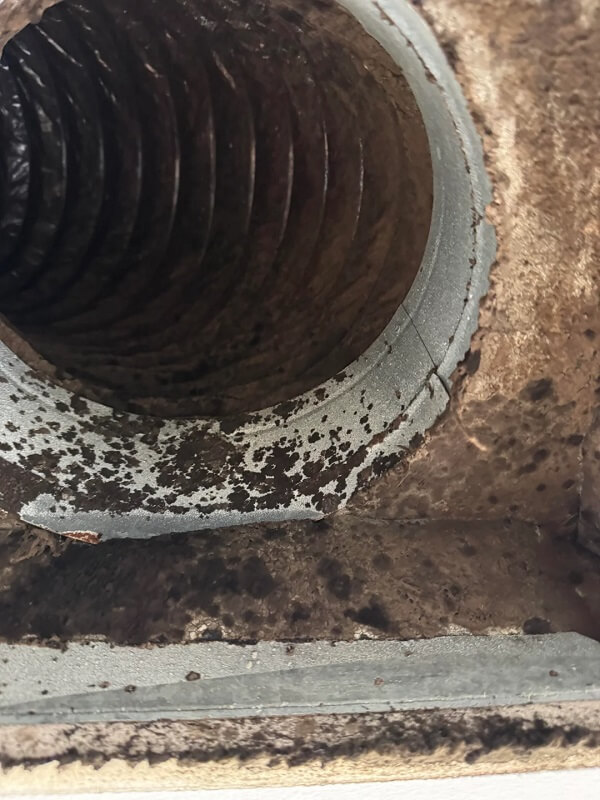
The post drew responses from people who said the discovery looked more like long-neglected ductwork than a worst-case contamination problem.
One commenter advised, "Clean er out bud! only 30 years of dust and hair and whatever else."
Another commenter said, "This is smoke residue. Replace the flex duct if possible if not wipe all the accessible areas . Replace filters offen. Like 3 months offen. Check the return plenum clean if possible. Everyone's duct work looks like this after 30 years."
TCD Picks » Quince Spotlight
💡These best-sellers from Quince deliver affordable, sustainable luxury for all




Commenters largely treated it as a maintenance issue rather than a contamination emergency.
Why does it matter?
A hidden vent packed with debris can do more than just look unpleasant.
When ducts, returns, or filters get clogged, airflow can suffer, potentially forcing an HVAC system to work harder to heat or cool the home.
That can affect indoor air quality and comfort, especially during hot weather when air conditioning becomes essential. Rooms may cool unevenly, dust can continue to recirculate, and homeowners may end up paying more on utility bills because the system has to run longer.
There is also a financial angle beyond monthly energy use: Mistaking old dust for a mold emergency can lead to expensive service calls, testing, or unnecessary remediation.
A basic cleanup, fresh filters, and a professional HVAC inspection may resolve the problem while avoiding unnecessary costs.
What can I do?
The first step is usually not to assume the worst.
Start with the accessible basics: Remove the vent cover, vacuum out loose debris, wipe what you can safely reach, and replace the HVAC filter.
If the ductwork is damaged, heavily coated, or giving off a strong odor, it may be worth bringing in an HVAC professional to inspect the system.
A technician can help determine whether you need cleaning, filter changes, repairs, or partial duct replacement, rather than a blanket recommendation to tear everything out.
Targeted fixes are often the most cost-effective. Even modest efficiency improvements can help lower cooling costs over time, and regular filter changes are among the most cost-effective ways to maintain airflow and system performance.

Get TCD's free newsletters for easy tips, smart advice, and a chance to earn $5,000 toward home upgrades. To see more stories like this one, change your Google preferences here.






