


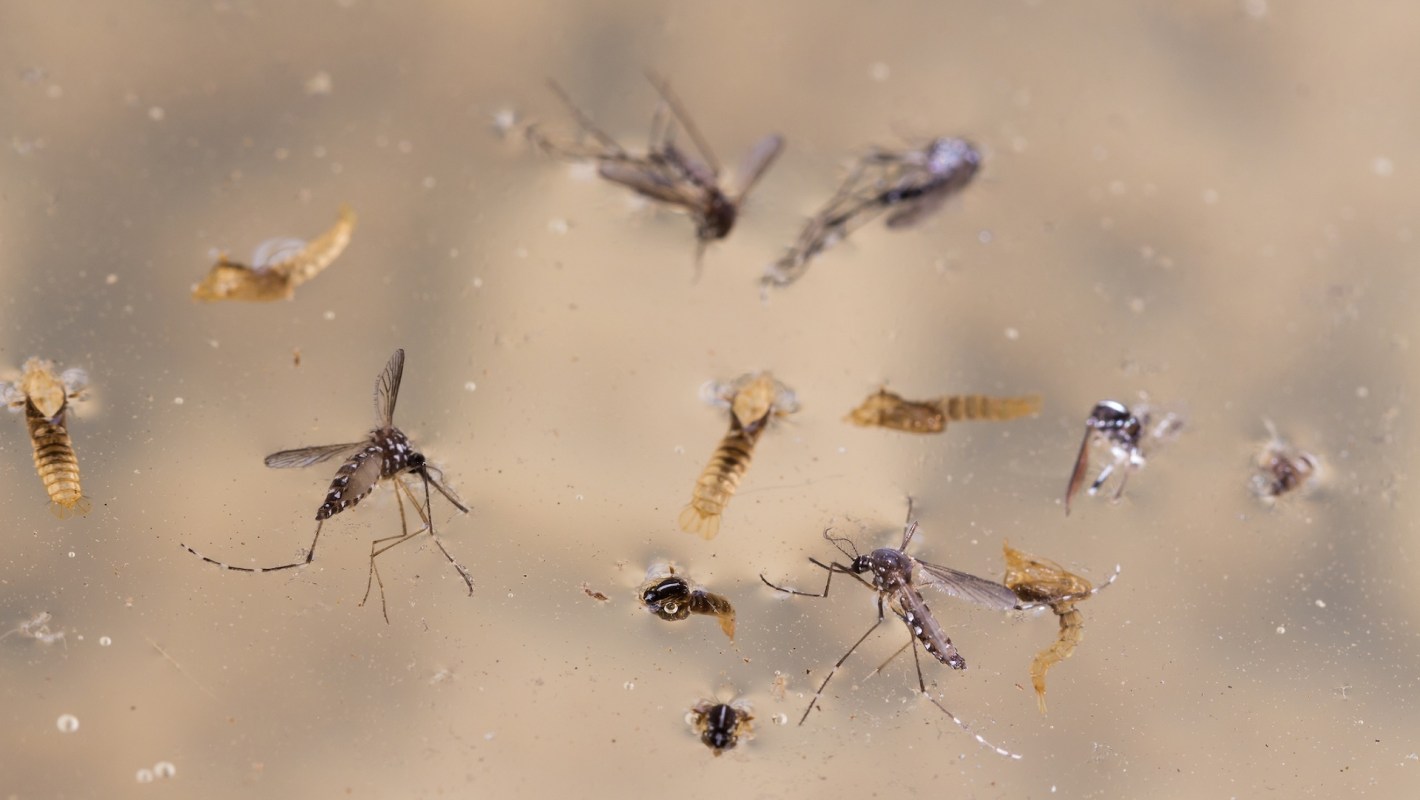
A clogged stormwater basin on San Antonio's North Side left water standing and mosquitoes swarming, with residents saying that their yards no longer feel usable.
Tenchita Flores and Alfredo Flores say the drainage problem has gone beyond an annoyance and has become what they view as a public health issue, according to KABB.
Here's what to know
The outlet reported that the basin near Blanco Road and Loop 1604 was retaining a large volume of water instead of emptying.
Residents said that the stagnant water has become prime mosquito habitat.
Flores told the station the infestation around her home is so severe that putting on insect repellent is now part of her morning routine. She admitted that the number of mosquitoes worries her.
"I get concerned because we have so many mosquitoes in this area," she told KABB.
TCD Picks » Quince Spotlight
💡These best-sellers from Quince deliver affordable, sustainable luxury for all




When asked how people feel about it, Flores replied, "They're complaining about mosquitoes all the time."
The couple said the patch of standing water is about the size of a swimming pool.
"I call it a mosquito factory," Tenchita stated.
The station also reported that San Antonio's West Nile season began in May, earlier than usual, and that Metro Health San Antonio said rain, heat, and humidity all created favorable conditions for mosquitoes.
More background
Standing water is one of the most common drivers of mosquito outbreaks because it gives the insects a place to lay eggs and multiply quickly.
Neighbors warned that the basin was far larger than the smaller amounts of standing water Metro Health San Antonio was urging property owners to remove.
They told KABB they have been spending less time in their yard, and Tenchita said she has had to consistently apply sprays and lotions she doesn't even like using.
Mosquitoes are not just irritating; they can carry serious illnesses such as West Nile virus.
"So I guess for about six to eight months, I don't know how long, it did drain. Then it stopped again. And ever since then, it has never really fully drained," Tenchita recalled.
What's being done?
The Floreses contacted several groups in search of a fix, including Sonterra and Stone Oak property owners, as well as SAWS, the Texas Commission on Environmental Quality, and 311.
TCEQ claimed it cited the regulated entity in June 2024 over basin maintenance.
The agency asserted that the issue was corrected at the time, but the station reported that a new investigation began in June after its inquiry.
According to KABB, SAWS notified the owner that the property was out of compliance and that they must take corrective action.
Maintenance and unclogging of the basin fall to the property owners. TCEQ can also pursue enforcement action, including fines, if the problem remains unresolved.
Flores emphasized that the basin's size was impossible to miss.
"It's enormous," she noted. "And it's extremely deep."
Where can I learn more?
Complaints like the ones on San Antonio's North Side are showing up elsewhere too, as storm runoff, heat, and humidity create optimal breeding conditions for mosquitoes.
These articles discuss how standing water after storms, shifting conditions, and even invasive species are making the problem harder to ignore — in Texas and beyond.
• In Houston, storms left neighborhoods swamped, and lingering water increased mosquito complaints.
• Across humid states, mass mosquito spread is raising concerns about growing disease risks.
• In cities, the landscape has changed, allowing mosquito populations to expand near homes.
• In California, invasive, disease-carrying mosquito species have become such a nuisance that residents scrub them off.
These articles also show why locals see a clogged basin as more than a backyard annoyance — the conditions that make outdoor spaces miserable also raise major public health concerns.

Get TCD's free newsletters for easy tips, smart advice, and a chance to earn $5,000 toward home upgrades. To see more stories like this one, change your Google preferences here.






