


A lawsuit against Clorox is drawing renewed attention to how a major household brand handled a safety issue involving products marketed to help people keep their homes clean.
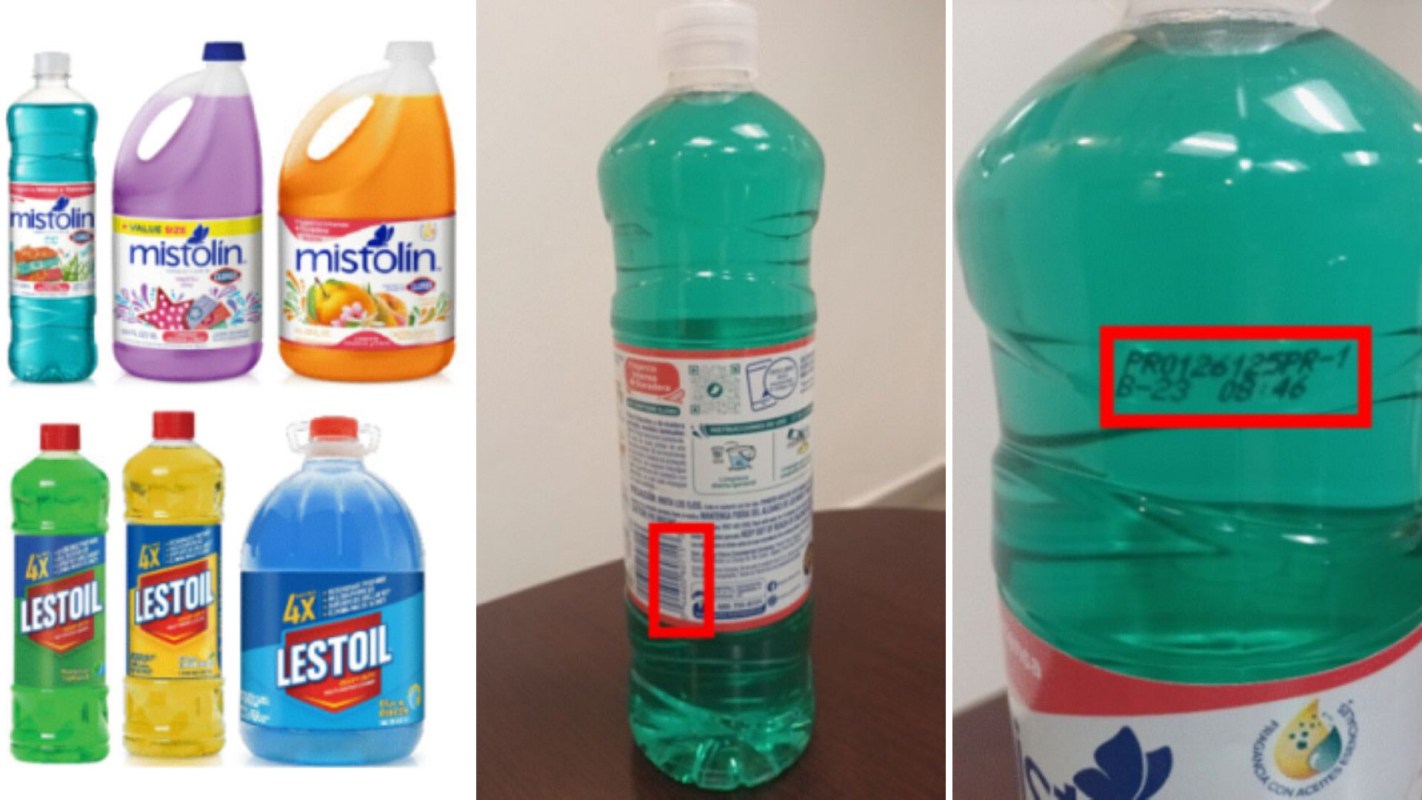
At the center of the case is Clorox's Sept. 3 recall of more than 6 million bottles of Mistolin and Lestoil cleaning products after contamination with a potentially harmful bacterium was identified.
Here's what to know
After Clorox recalled the cleaners on Sept. 3, Leslie Santana — a Puerto Rico resident and Clorox customer — filed a proposed class-action lawsuit in the U.S. District Court for the Northern District of California, according to Courthouse News.
The affected cleaners were contaminated with Pseudomonas aeruginosa, a bacterium that can cause serious infections if it is inhaled, reaches the eyes, or comes into contact with broken skin.
The organism has also been associated with pneumonia, rashes, urinary tract infections, and other opportunistic infections, particularly among people with weakened immune systems or those using medical devices such as catheters.
To argue that Clorox should have seen the danger, Santana pointed to the company's earlier experience with the same bacterium. In 2022, Clorox recalled 37 million bottles of scented Pine-Sol over Pseudomonas aeruginosa contamination, and later agreed to pay a $14.15 million civil penalty after a CPSC action that said the company did not promptly report the issue to the government.
TCD Picks » Quince Spotlight
💡These best-sellers from Quince deliver affordable, sustainable luxury for all




In her 35-page complaint, Santana said: "Pseudomonas aeruginosa is not an obscure risk to Clorox. Clorox thus knew, from direct and expensive experience, that its scented multisurface cleaners were vulnerable to Pseudomonas aeruginosa contamination; it knew the mechanism by which that contamination arises in fragranced formulations; it knew what testing was required to detect it; and it had promised the federal government that it would do better."
More background
According to Courthouse News, the products sold for $1.40 to $8 and were manufactured between April 1, 2025, and June 17, 2026. They were sold in Puerto Rico and the U.S. Virgin Islands through retailers including Costco, Walmart, Sam's Club, Supermercados Econo, and Supermercados Selectos.
Santana also claimed Clorox manufactured, branded, marketed, and sold the cleaners for 15 months "without any warning that the products could contain a pathogen, and then allowed the products to remain on store shelves for months after it had stopped producing them."
The proposed class action suit could include anyone who bought any of the recalled cleaners in Puerto Rico or the U.S. Virgin Islands on or after April 1, 2025, a group that Courthouse News said could reach hundreds of thousands or even millions of consumers.
What's being done?
The lawsuit seeks to push Clorox beyond the recall itself. Santana argued the company should be required to disclose contamination risks tied to its household cleaners and adopt stronger testing and monitoring measures to help prevent similar incidents.
She is also asking the court to require recall notices in Spanish for consumers in Puerto Rico and the U.S. Virgin Islands.
The complaint, as summarized by Courthouse News, asks for money back, the surrender of profits, and both compensatory and punitive damages for people who bought the cleaners during the contamination period.
Where can I learn more?
Santana's complaint focuses on what Clorox knew, what it told shoppers, and whether better safeguards should have been in place before contaminated cleaners reached store shelves.
Other big brands have come under scrutiny over the claims they make, the image they project, and whether consumers were given the full picture.
• In Australia, regulators imposed a government penalty on Clorox over allegedly misleading consumer claims.
• The FDA warned Revlon after finding products were not properly tested for carcinogens, yeast, and mold.
• Across consumer goods, companies can fool consumers with branding that mimics environmental responsibility.
When companies face questions about safety or marketing, the fallout often extends beyond a single product.

Get TCD's free newsletters for easy tips, smart advice, and a chance to earn $5,000 toward home upgrades. To see more stories like this one, change your Google preferences here.






