


Marine heat waves are often seen as another sign that the planet's natural defenses are faltering. But a new global analysis suggests that, in some of Earth's coldest coastal waters, these extreme warm spells can cause the ocean to absorb more carbon dioxide, not less.
Here's what to know
As Phys.org shared, an international team led by the Helmholtz-Zentrum Hereon found that marine heat waves can raise carbon dioxide uptake in coastal seas by about 11%. The study appeared in Nature Communications.
Researchers classify a marine heat wave as a period when seawater stays above the local 90th-percentile temperature threshold, based on a 30-year baseline, for at least five straight days. These episodes can continue for weeks.
The finding runs counter to a common expectation. Because gases dissolve less easily in warmer water, scientists have generally thought higher sea temperatures would reduce CO2 absorption. Past open-ocean studies supported that pattern, showing weaker natural carbon uptake during heat waves.
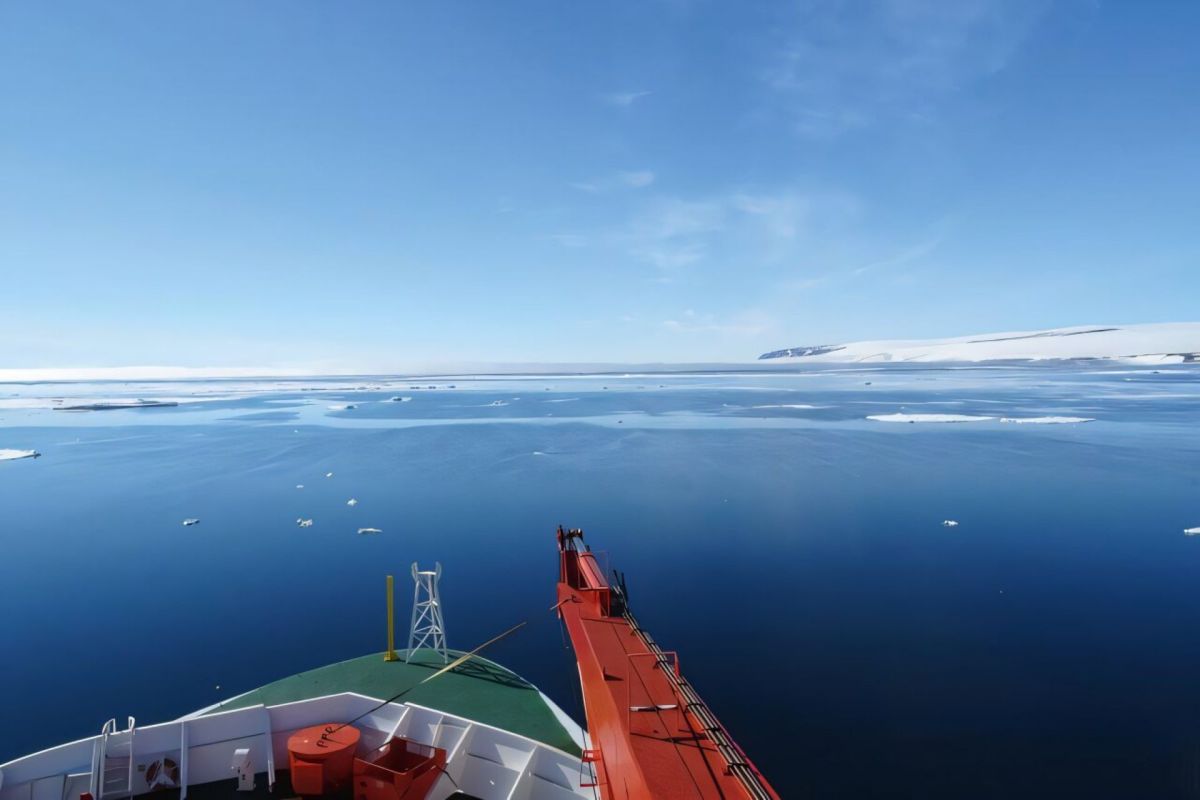
In the Hereon analysis, however, shallow coastal waters in colder northern regions behaved differently. In polar and subpolar shelf seas — along continental margins in areas such as the North Atlantic and Northwest Pacific — heat waves can shrink sea ice cover and expose more water directly to the atmosphere, allowing more gas exchange.
More background
That is striking because shelf seas account for only about 7% of the world's ocean area. In polar regions, the researchers found that marine heat waves can increase open-water area by as much as 30%.
TCD Picks » Quince Spotlight
💡These best-sellers from Quince deliver affordable, sustainable luxury for all




The extra open water also changes conditions in the upper ocean. With less sea ice blocking sunlight, more light reaches surface waters and encourages phytoplankton growth. These microscopic organisms sit at the base of marine food webs, and through photosynthesis they remove carbon from surface waters, which can help the ocean draw in additional CO2 from the air.
What's being done?
To reach those conclusions, the team used advanced ocean models to analyze global datasets on CO2 exchange in coastal and shelf seas from 1985 to 2020, then compared those results with open-ocean data.
"It remains unclear whether the effect of additional CO₂ uptake in shelf seas will persist in a future in which marine heat waves may become more frequent, longer-lasting and more intense," co-author and Hereon researcher Dr. Wenyan Zhang said, according to Phys.org.
The study results may help improve assessments and calculations of future climate scenarios, but more studies will need to investigate further.
Where can I learn more?
The ocean's response to warming and pollution is anything but straightforward. A few reports look at that from different angles, from threats to marine carbon storage to heat stress on corals and pollution that can move from seawater back into the air.
• Scientists warn microplastics are interfering with the ocean's ability to lock away carbon.
• In reef ecosystems, warmer seas could outpace coral adaptation and drive steep losses.
• Ocean spray can carry PFAS pollution from seawater back into the atmosphere.
Seen alongside this new study, these reports show how shifts in ocean conditions can ripple through marine ecosystems and the climate alike. That context makes the finding on coastal CO2 uptake during heat waves more significant — and more nuanced — than it might seem at first.

Get TCD's free newsletters for easy tips, smart advice, and a chance to earn $5,000 toward home upgrades. To see more stories like this one, change your Google preferences here.






