


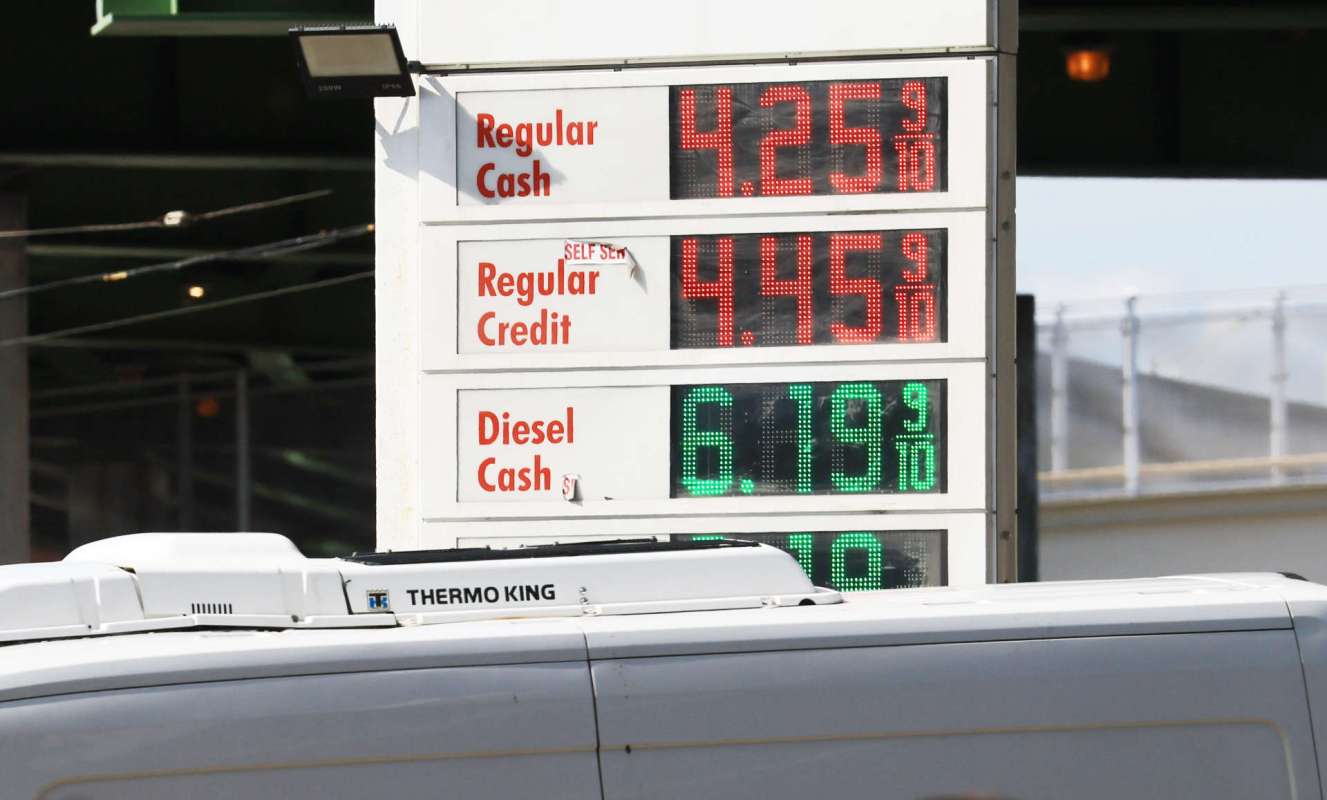
In Waco, businesses that transport essential materials and goods are facing new strain as diesel hits record levels.
The impact is likely to extend beyond trucking firms, since diesel underpins freight movement nationwide and can feed into grocery bills and other everyday expenses.
Here's what to know
KWTX reported that companies that depend on heavy-duty transportation are being squeezed as AAA's latest figures revealed diesel in Waco reached a record average of $5.59 per gallon, nearly 75% above the city's $3.21 average.
Across the U.S., diesel averaged $5.90 per gallon, up from $3.70 and above the June 2022 level of $5.82. The station reported that disruptions in Middle East energy flows and continuing conflicts affecting Russian refineries are still tightening global petroleum supplies.
Hunter Kosar, president and owner of Twisted Nail, a Waco- and Austin-based construction trucking company and aggregate supplier, explained the collateral damage.
"Looking back to the start of the year to today, I would say that our operation in general—every single project we've had—has been derailed," Kosar told KWTX. "Every single thing we projected in January is no longer the case today."
TCD Picks » Quince Spotlight
💡These best-sellers from Quince deliver affordable, sustainable luxury for all




National gasoline prices also stayed above $4.00, adding another layer of pressure on commuters already facing higher living costs.
More background
Because Twisted Nail delivers materials such as limestone, road base, and recycled concrete to construction sites across the region, diesel affects nearly every part of its business, KWTX reported. When fuel prices jump, so does the cost of moving those materials, making it harder for contractors to keep projects on schedule and within budget.
"When fuel increases 70% in six months, obviously not only on our end, but the entire project... anything that burns diesel or fuel is impacted," Kosar noted to the station.
Higher diesel costs can spread quickly through the economy because freight and delivery networks rely on the fuel. The Independent Grocers Alliance says fuel can make up as much as 30% of total food costs.
Kosar suggested to KWTX that the impacts might be even more extensive for locals who don't use diesel. He pointed to ripple effects that ultimately don't even get off the ground because of changing economics.
"While we feel the hecticness—we feel the impact of it today—the end consumer is ultimately the person who is paying for it," he elaborated. "So all those projects we have planned, let's say a stadium, well that might not happen anymore."
Where can I learn more?
Waco's diesel surge shows how swings in fossil fuel markets, power costs, and pollution pressures keep spilling into other parts of the economy. A price jump at the pump can reach everything from investment decisions to household bills and the longer-term costs of relying on carbon-heavy fuels.
• New climate estimates suggest LNG can be worse than coal when its full toll on the environment is accounted for.
• In West Virginia, aging coal plants continue to impact consumers after 50 years in use.
• Communities near oil and gas sites still face premature deaths and asthma risks.
• In Colorado, regulators hit a critical milestone, forcing oil and gas firms to count methane.
For anyone watching record diesel squeeze Waco businesses, the impact of higher fuel prices also point to the bigger system driving costs, risks, and policy well beyond construction trucking. Seeing that bigger picture helps explain why fuel shocks can move so quickly into everyday budgets.

Get TCD's free newsletters for easy tips, smart advice, and a chance to earn $5,000 toward home upgrades. To see more stories like this one, change your Google preferences here.






