


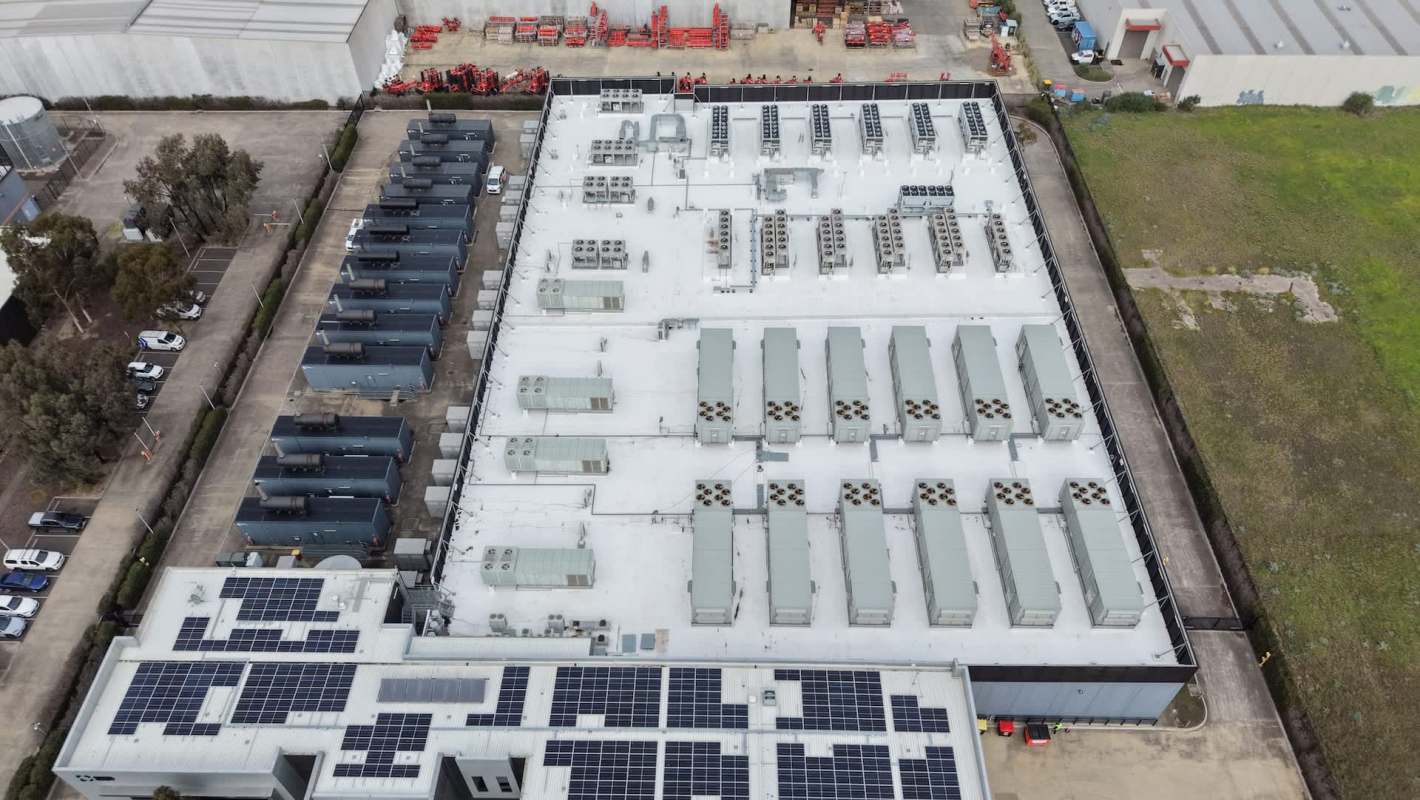
Pennsylvania and Texas are taking steps to ensure companies planning massive data centers should cover the power needs those projects create instead of pushing that demand onto everyday utility customers.
Here's what to know
Concern over the huge amount of electricity required by AI facilities is fueling state-level resistance, Grist reported. In response, Pennsylvania Governor Josh Shapiro said he was imposing a moratorium on "any AI data center that does not bring, develop, and pay for their own power," and Texas Governor Greg Abbott has stopped additional data centers from connecting to the state grid.
The EPA issued a statement saying the Clean Air Act's Acid Rain Program does not apply to "islanded" power plants, or facilities built to serve a single site and not connected to the broader grid.
Many proposed AI data centers are being paired with their own natural gas plants. While this setup keeps new costs from being passed on to households and small businesses, it could also mean less transparency around air pollution and climate impacts.
Mindy Goldstein, who heads Emory Law School's environmental law program, said that removing Acid Rain Program coverage eliminates one permit requirement for some projects, even though other Clean Air Act rules can still apply, Grist reported.
More background
The AI boom is becoming as much an energy story as it is a tech story. Training and operating advanced AI systems can require enormous amounts of around-the-clock electricity, which is one reason utilities and developers are racing to add new power capacity.
TCD Picks » Quince Spotlight
💡These best-sellers from Quince deliver affordable, sustainable luxury for all




AI could help optimize electric grids, improve wind and solar forecasting, and make buildings and factories more efficient. The technology also brings serious concerns, including massive utility use, higher energy costs for customers, security risks, misuse, and broader social disruption if its expansion outpaces safeguards.
OpenAI has announced plans tied to a 9.2-gigawatt natural gas plant in Ohio. Amazon is planning a 7.65-gigawatt gas plant in Texas, while Nexus has proposed a 6-gigawatt facility there. Smaller projects are also moving forward, including a 90-megawatt plant in Georgia for a Serverfarm data center.
David Spence, a University of Texas professor focused on energy law and politics, said, "For a long time, we just didn't have anybody building gas plants at all because wind and solar are cheaper. Then along came data centers with their incredibly large demands for power that has to be 24-7 and a lot of money to spend on these things," per Grist.
What's being done?
Much of the key decision-making is falling to state regulators. They will be responsible for permitting many of these projects, and Goldstein noted that EPA guidance is not the same as a binding rule. That means states can still choose to impose stricter requirements than the federal minimum.
According to Grist, the EPA said the guidance "expands opportunities for companies to develop and operate islanded power generation facilities for data centers. This will give developers greater flexibility in where and how quickly they can build new facilities while helping to protect the environment and reducing burdens on communities' electric grid." The agency has also proposed changes that would further streamline permitting for some "minor" pollution sources.
Still, some communities and watchdog groups are pushing back. In Georgia, state regulators issued violation notices to VoltaGrid and Serverfarm after construction reportedly began before permits were secured. A lawsuit by the NAACP alleges xAI built a 495-megawatt plant in Mississippi to power a Memphis data center without even applying for permits.
"This is a piecemeal approach to trying to clear the way for data center siting and for the siting of corresponding electric generating units," Goldstein said. "It seems like a continuous knockdown of dominoes to clear the way for these data centers, and they're leaving states and communities to hold it back."
Where can I learn more?
Texas and Pennsylvania are providing a preview of what a bring-your-own-infrastructure approach looks like as AI developers chase cheap land and quick approvals. Similar battles centered on gas plants, grid strain, and the huge amount of electricity these facilities use are emerging across the country.
• In rural Texas, developers must bring their own power and water under Abbott's warning.
• In Ohio, proposed data centers are pushing gas plants through before residents weigh in.
• Nationwide, AI facilities devour 6% of U.S. electricity, intensifying the power scramble.
These stories help explain why more state leaders want developers to shoulder the costs of their own expansion, showing how fast AI's power demands are changing utility policy, fueling local infrastructure fights, and prompting new fossil fuel build-outs.

Get TCD's free newsletters for easy tips, smart advice, and a chance to earn $5,000 toward home upgrades. To see more stories like this one, change your Google preferences here.






