


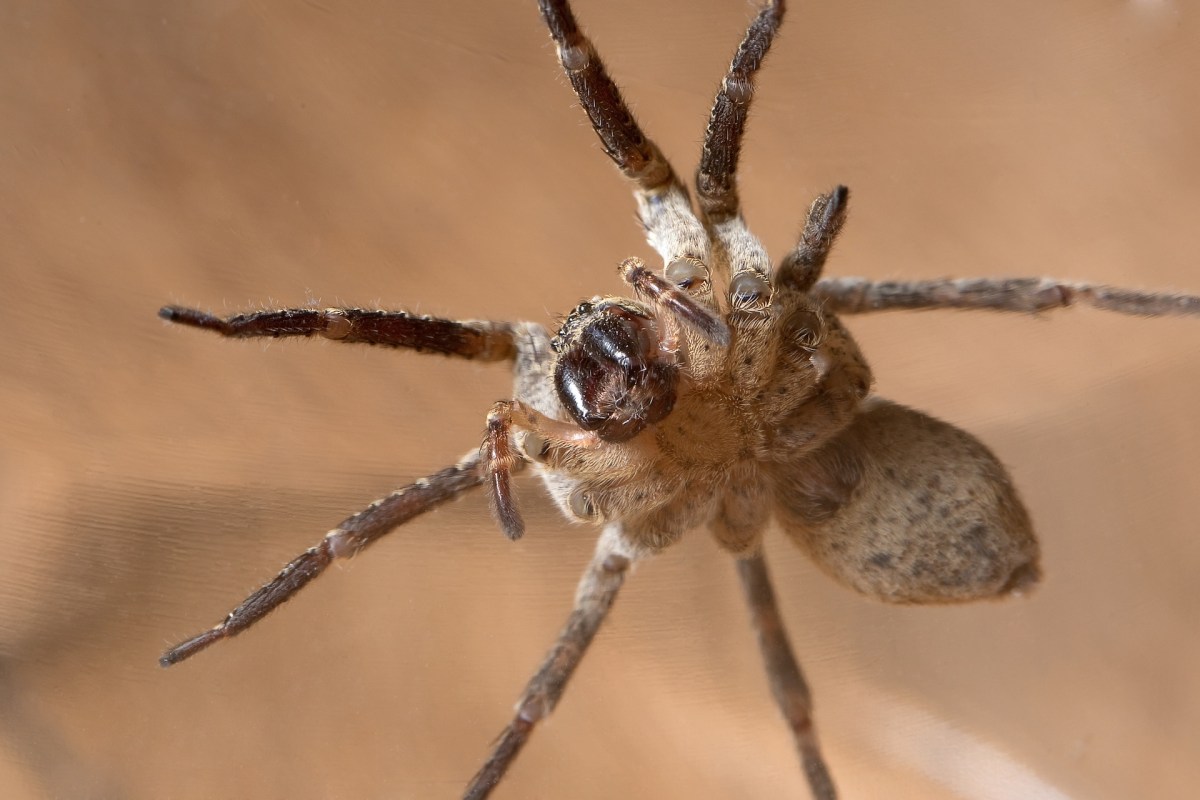
A large spider named after a vampire film is being spotted more frequently along Germany's Baltic coast.
As the Mediterranean Nosferatu spider spreads further across the country, it has drawn increased attention for its tendency to bite humans when threatened.
Here's what to know
NABU, Germany's nature conservation association, says the Nosferatu spider has been reported in every federal state, according to Euronews. The species is especially common in the Baltic areas of Rügen and Usedom.
The spider originally comes from the Mediterranean region, but NABU says it appears to be establishing itself even in cooler places such as Schleswig-Holstein. One possible explanation for the spread is that travelers may have carried spiders unintentionally in their luggage.
The species' common name is a nod to the 1922 film Nosferatu: A Symphony of Horror. The name is likely due to the distinctive marking on the spider's thorax, which has been described as a kind of "vampire tattoo."
The spider also stands out because of its size. Females can grow to 0.75 inches (19 millimeters) in body length. With their legs included, their span can reach about 3.1 inches (8 centimeters).
TCD Picks » Quince Spotlight
💡These best-sellers from Quince deliver affordable, sustainable luxury for all




More background
Despite their fear-inspiring appearance and bite, NABU says the danger that Nosferatu spiders pose to most people is relatively low. Their bite has been compared to a wasp sting, with swelling usually disappearing within a few days. However, people with allergies should be more careful.
With the help of special adhesive hairs, the spiders can climb glass and other surfaces as they enter homes, garages, and other interior spaces in search of warmth.
Beyond accidentally transporting spiders during travel, human activities may be aiding the Nosferatu's spread in several other ways. NABU says that when the spiders spend winter indoors, they can reproduce year-round, leading to larger populations.
The changing climate can also help some species expand beyond their traditional ranges. As average temperatures rise in certain areas, warmth-loving spiders have been able to survive and thrive where they could not before.
The good news is that, for all its alarming appearance, the Nosferatu spider does not hunt people. Instead, it eats other spiders, flies, and moths, which means it can play a key role in reducing household pests.
What can be done?
If you spot a Nosferatu spider inside, NABU recommends carefully catching it and releasing it outdoors rather than crushing it. That reduces the risk of a defensive bite and spares a predator that mostly feeds on other bugs.
If a bite does happen, most people only need to monitor any swelling and wait for it to go down. However, anyone with a known allergy should seek medical attention.
Meanwhile, scientists are using public sightings to follow the species' spread. NABU says its reporting effort has drawn tens of thousands of participants, creating a nationwide picture out of individual observations.
NABU's Dr. Alexander Wirth said there were "more reports with photos than ever before" in spring 2026.
"More than 2,500 photos have already been submitted," Dr. Wirth said, per Euronews. "If you look at this period (January to May) for the individual federal states, almost all of them show a record number of photo reports for spring 2026."
Where can I learn more?
The Nosferatu spider is not the only species turning up far from its traditional habitats. The stories below look at other animals that have adapted quickly to new surroundings and, in the process, have become a growing concern for the people living there.
• Across the US, massive and peculiar Joro spiders are spreading and reshaping invasive-species debates.
• In Australia, devastating invasive toads have overrun an entire continent.
• On St. Eustatius, a highly invasive species spreads, and Cuban tree frogs quickly raise alarms.
Germany's rise in spider sightings fits a broader pattern: adaptable species can gain a foothold surprisingly quickly once they arrive in a new habitat. These invasive species can threaten the delicate balance of local ecosystems.

Get TCD's free newsletters for easy tips, smart advice, and a chance to earn $5,000 toward home upgrades. To see more stories like this one, change your Google preferences here.






