


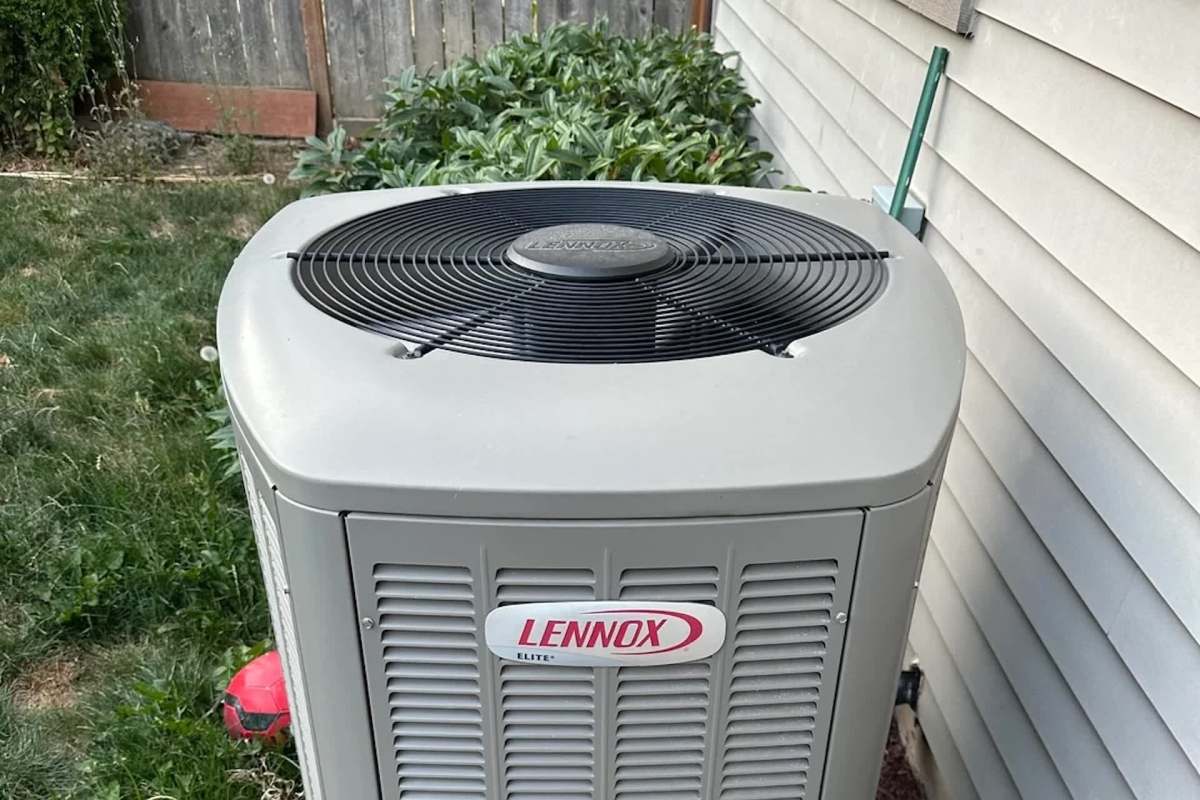
When a home upgrade collided with an existing air-conditioning unit, one homeowner discovered a planned backyard patio would leave the outdoor condenser nearly centered in the new space, only to be told that relocating it would be "too much work/hassle and costly to move."
Here's what to know
The issue surfaced in a Reddit thread on r/hvacadvice, where the Seattle homeowner wrote, "We're having a patio put in the backyard and the current placement of my AC unit will put it almost smack in the middle of the patio." They said the six- or seven-year-old condenser would have to shift seven feet toward a corner or 15 feet to the other side of the house, but their contractor resisted the idea.
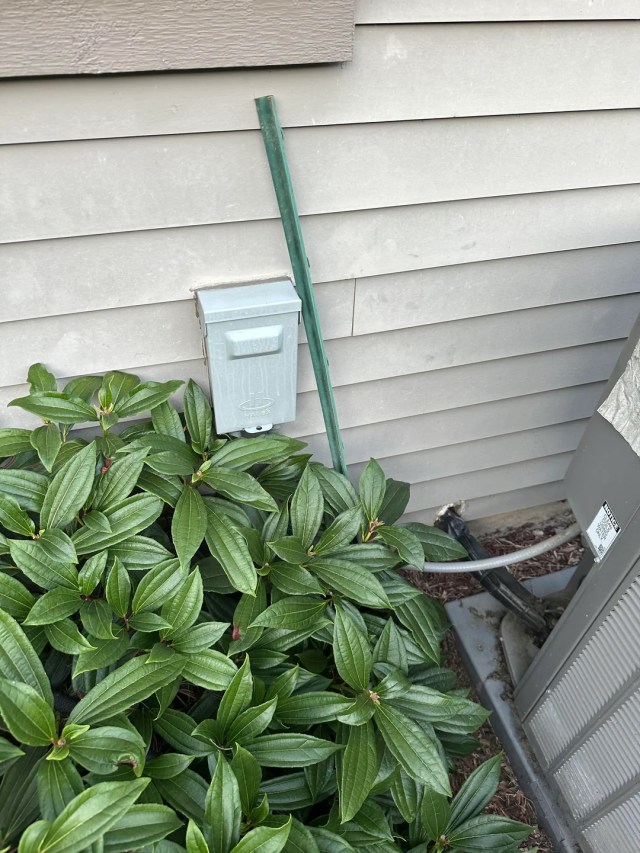
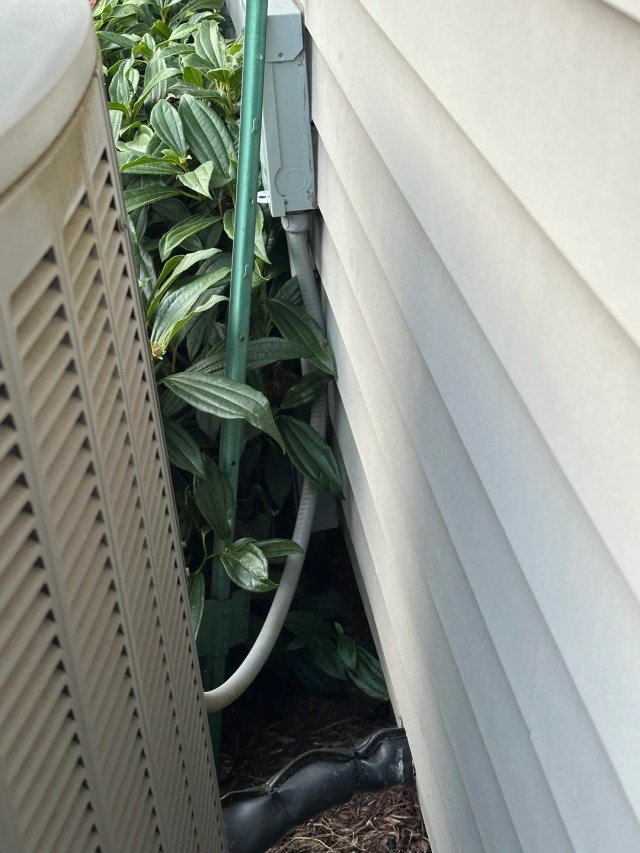
Commenters urged the homeowner to get an HVAC specialist's opinion, and that follow-up changed the picture. The bid put the relocation at about $1,900.
That estimate suggested the job was substantial but not unrealistic. "I'd move it, but my experience is that customers seriously underestimate the amount of work required to move a condenser and flip out over the price," one commenter said.
The wider response pointed in the same direction, with commenters placing a plausible cost around $1,200 to $2,000. Getting a second opinion would not necessarily make the project cheaper, but it could prevent the patio discussion from resting on one contractor's reluctance.
More background
The OP's situation reflects a common home improvement issue. A contractor may not want to handle or even coordinate an HVAC relocation, even when the job itself is feasible.
TCD Picks » Quince Spotlight
💡These best-sellers from Quince deliver affordable, sustainable luxury for all




The seemingly high price makes more sense once the scope is laid out. According to commenters, relocating a condenser can involve disconnecting wiring and copper lines, pumping down refrigerant, setting a new pad, rerouting or extending lines, pressure-testing the system, pulling a vacuum, and restoring power.
Rather than a quick nudge across the yard, the work can take enough time to compete with other scheduled jobs.
Spending $1,900 before construction begins may be far less costly than ending up with an awkward patio layout, reduced usable outdoor space, or a future tear-out if the condenser becomes an obstacle.
What can be done?
A quote from an HVAC company, not just a contractor, can determine whether relocation is practical.
Homeowners can also ask specific questions about price, including whether lines can be rerouted cleanly, whether walls must be cut, what electrical work is required, and whether a new location meets service clearance requirements.
Making the area easier to work in can help too. Here, the homeowner said bushes beside the unit were already slated for removal, which could simplify access and improve the final setup. Clearing vegetation may be a manageable DIY step, but refrigerant handling, electrical work, and pressure testing are not.
Homeowners can compare relocation cost with the value of the project it protects. If a patio is a major investment, paying a known amount upfront to preserve the space's layout and function can be a smart financial move.
Where can I learn more?
HVAC choices can sound manageable until the estimates come in. The articles here cover the kinds of costs, trade-offs, and maintenance steps that can shape how much people spend to keep a home cool.
• One homeowner was shocked by a $25,000 quote for what seemed like a basic AC replacement.
• A South Carolina homeowner weighed whether moving a loud, aging outdoor condenser was worth it if it sits right outside a primary suite window.
• A Colorado homeowner asked whether a nearby spruce tree should stay or go before installing a 2-ton Daikin heat pump.
HVAC decisions are easier to judge when you have prices and a clear sense of the work involved. Getting another opinion and knowing a bit about your system can help you avoid an expensive mistake.

Get TCD's free newsletters for easy tips, smart advice, and a chance to earn $5,000 toward home upgrades. To see more stories like this one, change your Google preferences here.






