


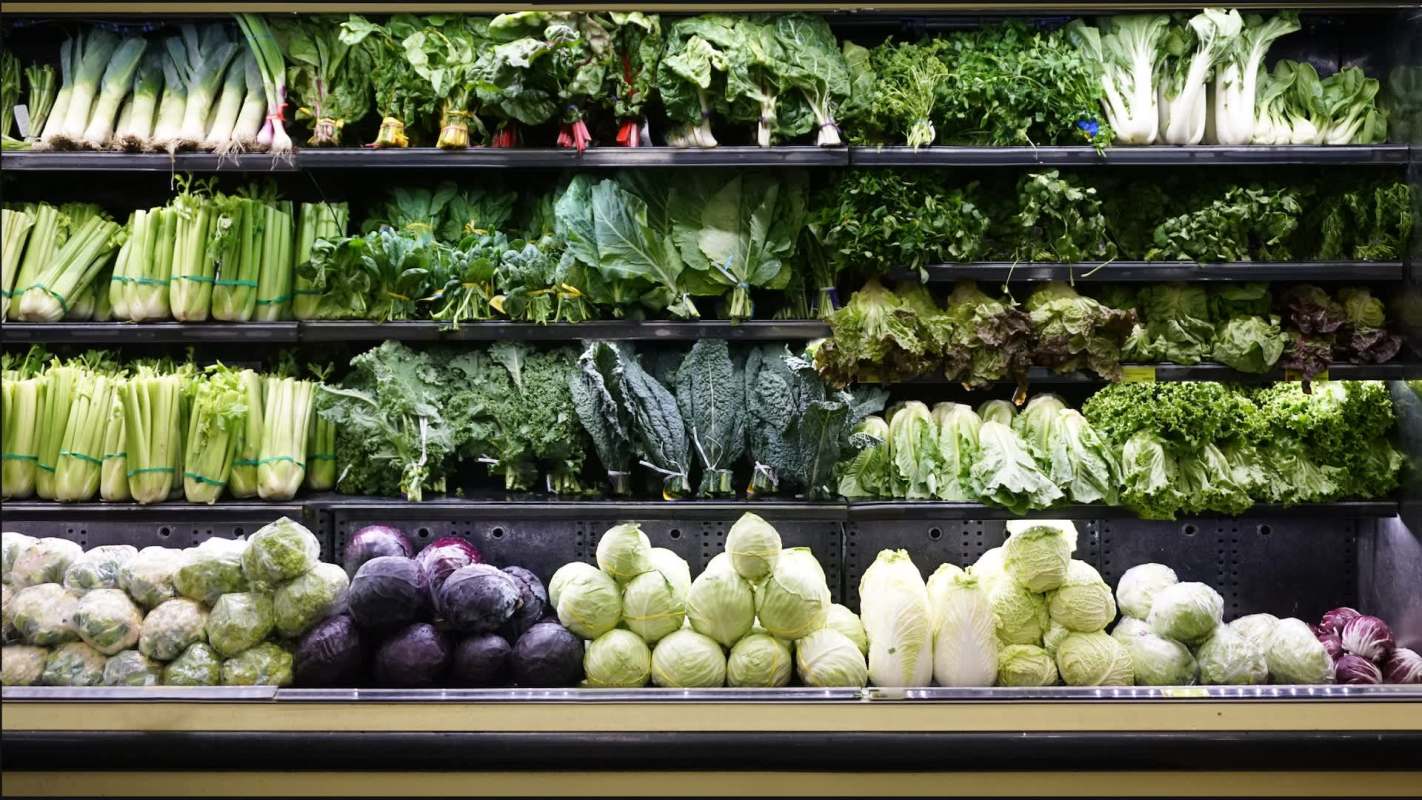
A couple who run a country farm in Kentucky is striking a nerve after arguing that the food-safety debate around home canning often misses a certain hazard: contamination in the mainstream grocery supply.
The post, centered on a Cyclospora outbreak linked to store-bought vegetables, tapped into a broader concern among shoppers trying to figure out which foods they can trust.
Here's what to know
James and Courtney fully live off their land and homestead on Collins Country, their 100-acre farm in Kentucky. In an Instagram post, the couple emphasized that they will continue passing on store-bought produce and responded to commenters who asked if their home-canned food could expose the family to botulism.
"I'll continue to pass on the store bought diarrhea food," the couple wrote in the video before adding, "Ya'll are so worried about me giving my family botulism with our home grown and home canned food, meanwhile half the country is having explosive diarrhea from the Cyclospora outbreak on store bought vegetables."
The frustration behind the post points to two very different food-safety concerns.
Cyclospora is a parasite that can spread through contaminated fresh produce and cause severe gastrointestinal illness, while botulism is a rare but potentially life-threatening illness that can result from improperly canned foods.
TCD Picks » Quince Spotlight
💡These best-sellers from Quince deliver affordable, sustainable luxury for all




Home canning is not risk-free. Safe canning requires close attention to acidity, sterilization, and storage, and some foods require pressure canning rather than water-bath methods.
There is also a practical reason so many people are drawn to growing food at home. Even a small garden can give households more control over handling, harvesting, and freshness while potentially lowering grocery bills.
Still, going fully homegrown is neither realistic nor necessary for most people.
What can be done?
Food trust is fragile. When either store-bought produce or home preservation goes wrong, the consequences can be serious. Accurate safety information matters in both cases.
If someone is interested in preserving food at home, it also means learning approved canning methods before trying it, especially for low-acid vegetables.
There is a more accessible middle ground as well: growing a few herbs, tomatoes, or greens at home when possible.
This will not replace a grocery trip, but it can offer added confidence and save money without requiring an all-or-nothing lifestyle change.
Where can I learn more?
Concerns about grocery-store produce versus homegrown food often lead into bigger questions about gardening, self-reliance, and day-to-day practicality. The stories below touch on that same desire for more control, while also showing some of the tradeoffs that can come with it.
• Homesteaders are also being warned that certain crops in the garden can damage local ecosystems.
• Contractors say people considering an off-grid lifestyle need a realistic grasp of inspections.
• Solar developers are finding that habitat-friendly solar farms can help boost insect populations.
That bigger picture can shape how people think about food safety too. What you grow, how much you try to do yourself, and even how land is managed all play a role in how confident people feel about the food system.

Get TCD's free newsletters for easy tips, smart advice, and a chance to earn $5,000 toward home upgrades. To see more stories like this one, change your Google preferences here.







