


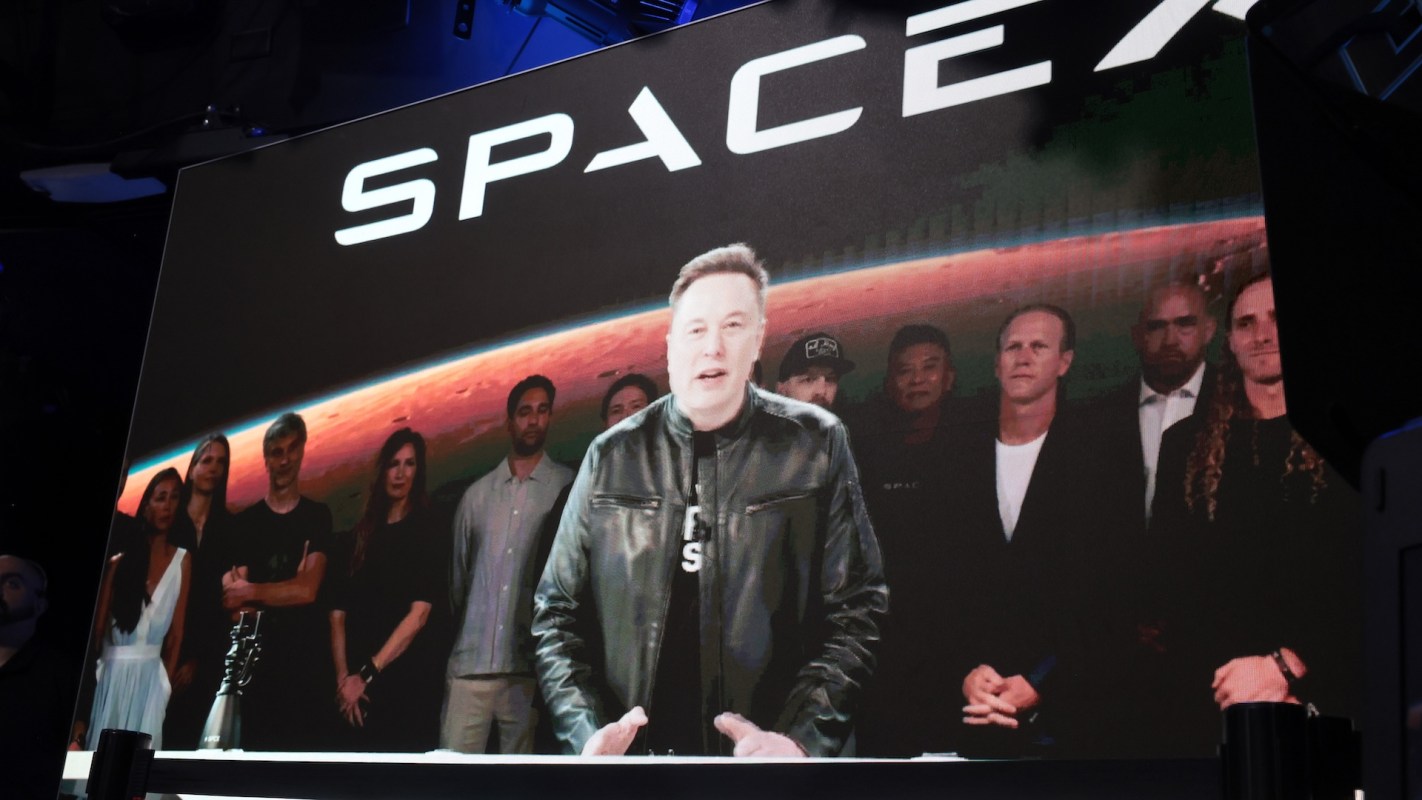
A secretive SpaceX facility in Bastrop, Texas, may be part of Tesla and SpaceX CEO Elon Musk's latest effort to speed up the artificial intelligence buildout — not by manufacturing chips, but by producing the turbine components needed to power data centers.
On Aug. 30, Musk said SpaceX is tackling a manufacturing bottleneck that has become a major constraint for the fast-growing AI industry.
Here's what to know
According to TechCrunch, the Bastrop operation is intended for turbine-blade and vane casting. The outlet drew on The Information's reporting and on land-purchase findings showing that, between March and June, SpaceX acquired about 830 acres near its Starlink factory.
He said the problem is urgent because new AI infrastructure is increasingly turning to gas turbines to add power quickly.
He wrote on X on Aug. 30, "SpaceX and Tesla are each building 100GW/year of solar production capacity as fast as possible, but natural gas will still be needed to supplement and bootstrap solar for several years. The limiting factor for nat gas turbine production is casting the blades & vanes. By doing in-house casting at SpaceX, we can accelerate nat gas turbines coming online by up to 18 months, which is a profound game-changer."
AI companies are now running into two major constraints at once: chip supply and electricity supply. The International Energy Agency expects global data center electricity consumption to roughly double by 2030, and GE Vernova says its production capacity is effectively booked through 2030, largely because of AI infrastructure demand.
TCD Picks » Quince Spotlight
💡These best-sellers from Quince deliver affordable, sustainable luxury for all




Only a handful of companies around the world can produce these specialized turbine parts at industrial scale. The blades must be able to withstand temperatures far above the melting point of their metal alloy, relying on internal cooling channels, thermal-barrier coatings, and an extremely difficult single-crystal casting process.
More background
AI is becoming increasingly tied to the energy grid.
AI can help optimize clean energy systems, improve forecasting, and manage electricity demand more efficiently. But the rapid expansion of data centers also comes with major downsides, including high electricity and water use, possible strain on local grids, higher consumer energy costs, and broader concerns about misuse and security.
That growing pressure is helping drive a return to gas-fired generation. Companies including Amazon, Google, Meta, OpenAI, and Microsoft have all been linked to efforts to secure faster power for data centers, sometimes by pairing facilities with private gas plants instead of waiting for grid upgrades.
This can create a tradeoff between economic development and air quality. In Memphis, where SpaceX has used gas turbines for its Colossus data centers since 2024 through its ownership of xAI, the NAACP said the company was running turbines without the permits or pollution controls required under federal law.
Researchers at the University of Memphis said in a limited analysis that the data center made local air pollution "slightly worse," while a Virginia study cited by TechCrunch estimated annual impacts from one facility's eight full-time gas turbines at 3.4 to 6.5 premature deaths and tens of millions of dollars in health-related damages.
What's being done?
Instead of depending on an overstretched global supplier base, SpaceX appears to be bringing production of key turbine components inside the company. If that works, it could reduce one of the biggest delays in getting new generating capacity online.
The most immediate effects may be indirect. AI's power needs can influence local air quality, water demand, and electricity prices, meaning communities will likely keep pushing for greater transparency about where data centers are built and how they are powered.
Where can I learn more?
SpaceX's apparent move into turbine-part casting is part of a much bigger scramble to keep AI data centers powered as they push past the limits of grids, cooling systems, and long-term energy planning.
• Big Tech's AI boom is outrunning grid build-outs as companies spend $725 billion on infrastructure.
• At Hugging Face, engineers are tracking power consumption to expose AI's rising electricity footprint.
• North Carolina engineers are testing a futuristic cooling system to reduce AI energy use.
These stories make clear that turbine manufacturing is only one part of the bottleneck. The bigger challenge is meeting AI's power demand without putting more pressure on electric grids, nearby communities, and air quality.

Get TCD's free newsletters for easy tips, smart advice, and a chance to earn $5,000 toward home upgrades. To see more stories like this one, change your Google preferences here.






