


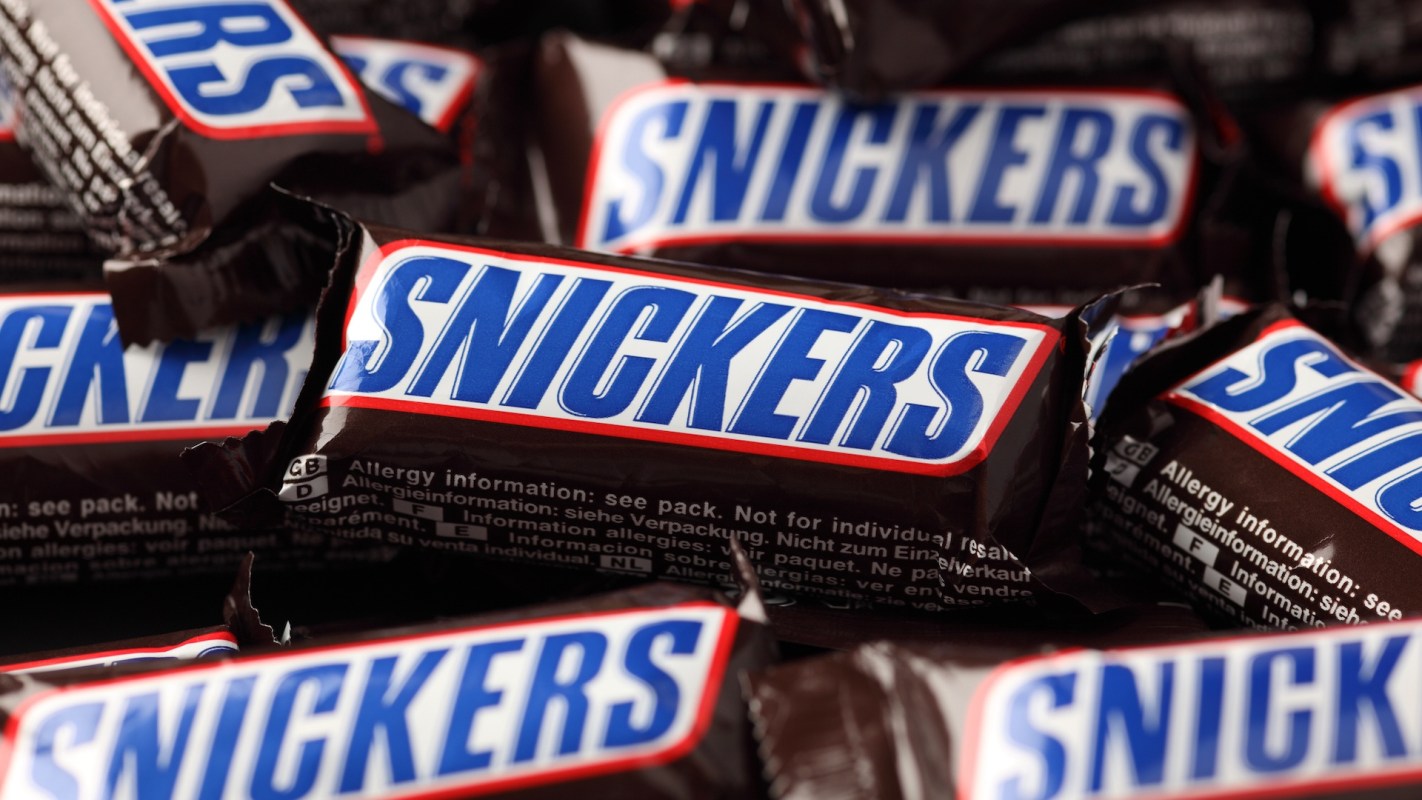
Instead of treating chatbot mistakes as a warning sign, Snickers is turning them into ad material — a telling snapshot of how far the AI craze has spread.
Its latest campaign centers on a digital candy bar meant to be given to bots after they produce bad answers, making one of AI's biggest flaws part of the pitch.
Here's what to know
According to Dexerto (@Dexerto), "The HungrAI bar prompts the chatbot to rethink its response."
The same X post said, "Snickers has made a digital candy bar you can 'feed' to AI when it starts giving bad answers."
has everyone lost their goddamn minds https://t.co/EYXBWWxRI1
— bONGO 🌐 (@wariocolosseum) September 1, 2026
The gimmick riffs on Snickers' long-running "you're not you when you're hungry" slogan, recasting chatbot errors as a kind of digital crankiness that can supposedly be fixed with a branded intervention.
The campaign latches onto AI hype even as the underlying tools remain unreliable.
TCD Picks » Quince Spotlight
💡These best-sellers from Quince deliver affordable, sustainable luxury for all




One commenter wrote, "We officially reached peak cyber-psychosis. Giving a virtual Snickers to an AI because it's 'hallucinating' is the most dystopian marketing gimmick I've ever seen."
More background
The campaign fits into a broader pattern of major brands treating generative AI as a playground for engagement, even as public skepticism around the technology seems to be growing.
One commenter wrote, "The entire global economy is now attached to the AI bubble. When you see people doing stupid shit like this, they're not doing so because they genuinely like it. They're doing so because they know that if they don't find new ways to make money off AI, the economy will crash."
The comment reflects a broader unease over AI being pushed into everything from search engines to customer service. That often means more friction, less trust, and fewer chances to interact with an actual human when something goes wrong.
Where can I learn more?
Snickers may be playing chatbot failures for laughs, but the bigger pattern is harder to shrug off. AI tools are already producing false, offensive, and genuinely damaging output in reading apps, newsrooms, and even personal decision-making.
• Fable drew backlash after disturbing AI-generated reader summaries produced offensive descriptions for users' books.
• At the Chicago Sun-Times, AI-generated fake news made a summer reading list embarrassing.
• Researchers warn that using AI for breakup texts outsources messy human judgment to unreliable tools.
That makes the punchline a lot less amusing. When bad AI output is already causing real harm, turning it into candy-coated fun comes off as careless more than clever.

Get TCD's free newsletters for easy tips, smart advice, and a chance to earn $5,000 toward home upgrades. To see more stories like this one, change your Google preferences here.






