


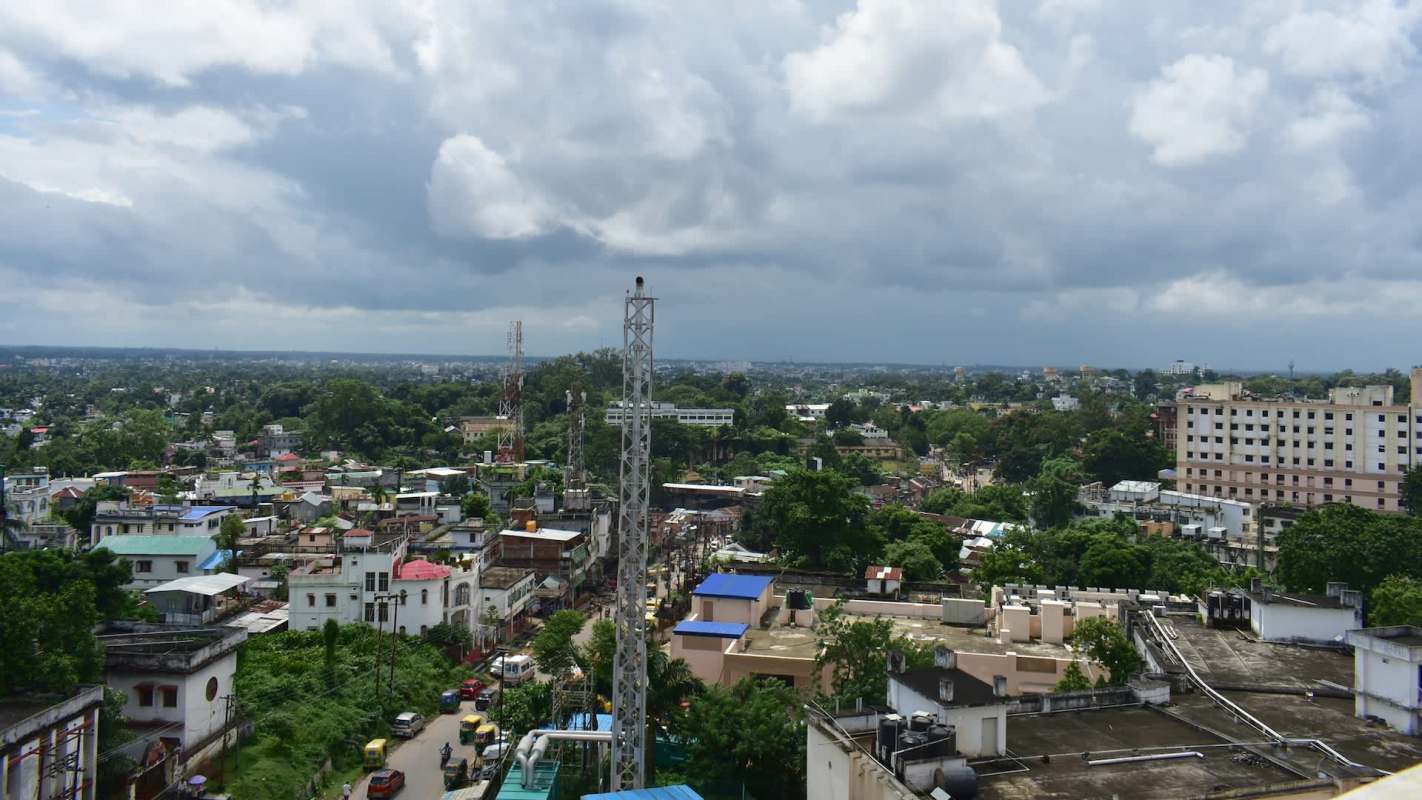
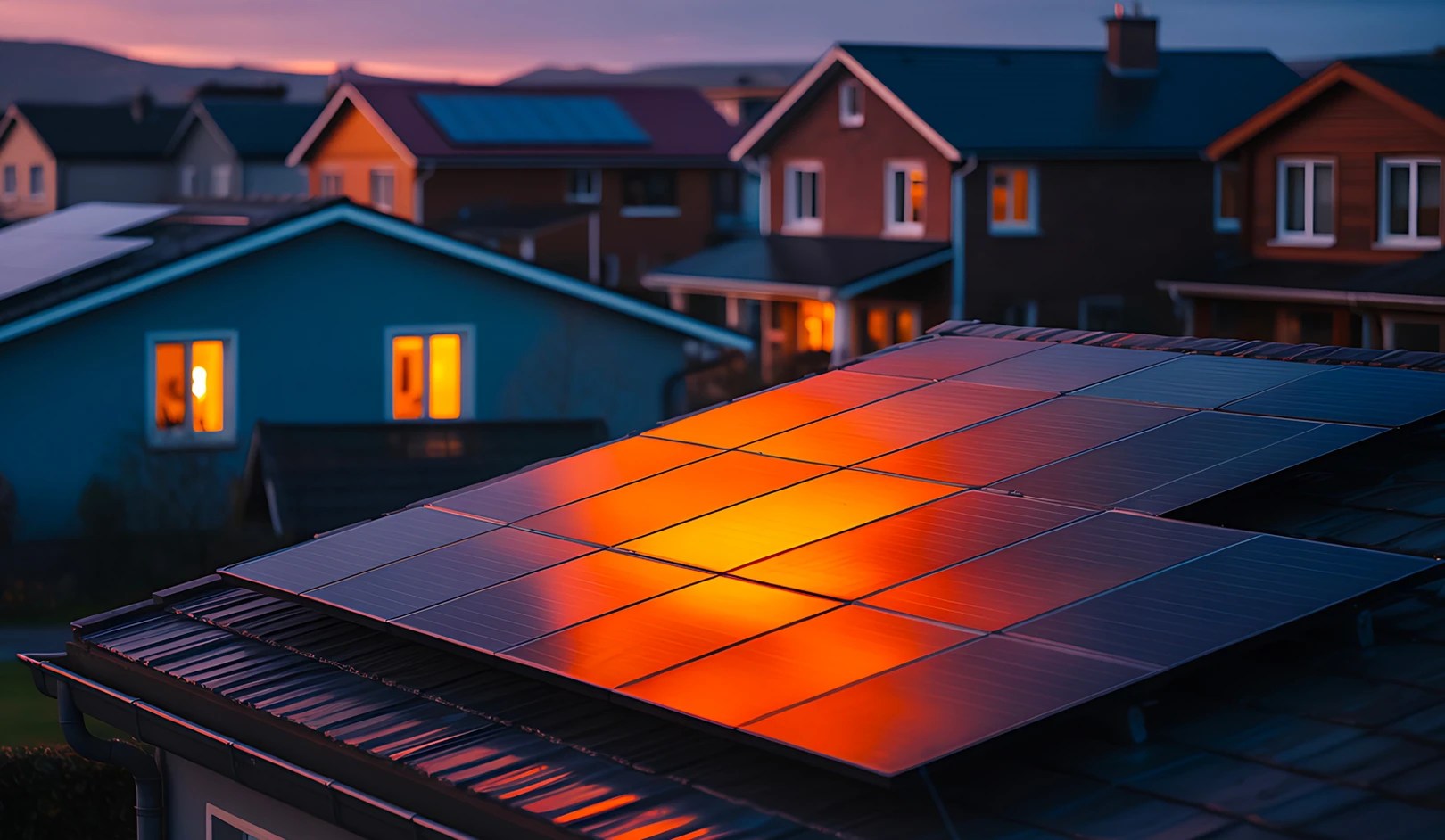
Tripura is turning to rooftop solar as it faces two mounting pressures at once: rising electricity demand and a dwindling supply of natural gas that has long powered much of the state's grid.
State officials said that shift could be especially meaningful for lower-income households, since it may help keep energy bills from becoming even more difficult to manage.
Here's what to know
During a special council meeting in Agartala on Aug. 17, 2026, Tripura Power Minister Ratan Lal Nath said the state needs broader rooftop solar adoption to meet future electricity needs without leaving vulnerable residents behind, according to Northeast Today. The session at the Agartala Municipal Corporation Conference Hall centered on rooftop solar installations under the "ULA Model."
According to Nath, Tripura's electricity consumer base has grown to around 10.68 lakh (about 1.07 million), up from roughly 7 lakh before the current government took office. He added that more than four lakh consumers use no more than 50 units a month, which he said suggests many belong to economically weaker sections.
Crushed by your bills? See instant solar savings from vetted installers in just a few clicks With energy prices through the roof, there's never been a better time to go solar — and EasyHome can help you find the best prices from the best installers in your area. EasyHome takes the guesswork and headaches out of energy upgrades by showing you estimated savings from a network of vetted local partners. To get started, just enter your ZIP and share a few details about your home — seeing your estimate is really that easy. |

"When the demand for something increases, its price goes up," Nath said.
Nath said the challenge is not only rising demand, but also mounting pressure on the state's conventional power system. He said a limited gas supply has reduced the Palatana plant's output to about 500 MW, even though it was designed for around 700 MW, while Ramchandranagar is generating only 50 to 60 MW instead of roughly 100 MW.
As electricity demand rises, solar is one of the best ways to save money on home energy. Homeowners who want to explore rooftop systems can use EnergySage to get free solar installation estimates and compare quotes.
More background
Reliable electricity is needed across the state, Nath said, including for industry, hospitals, schools, colleges, and waste-recycling facilities.
He described solar, wind, and hydropower as greener options than gas- and coal-based generation, which he characterized as more polluting.
What's being done?
Tripura is also working to advance rooftop solar through coordination between the municipal corporation and power authorities. Nath said Agartala Mayor Dipak Majumder, Agartala Municipal Corporation Commissioner Saju Vaheed A, Deputy Mayor Manika Das Datta, and other officials took part in the discussion.
For households elsewhere, the economics of solar can be easier to understand with free comparison tools. With EnergySage's help, the average person can save up to $10,000 on solar purchases and installations. EnergySage's solar map shows the average cost of a home solar panel system on a state-by-state basis, along with solar panel incentives for each state. Together, these resources can help readers get the best price for rooftop solar panels and access available incentives.
Additionally, adding battery storage to a solar setup is one of the best ways to protect your home during outages. It can also save money on energy and make going off-grid more realistic, and readers can explore EnergySage for information about home battery storage options, including competitive installation estimates.
More From EnergySage
💡Go deep on the latest news and trends shaping the residential solar landscape

Nath said, "Gas reserves are depleting; the supply is dwindling," and "The Central Government is placing the highest priority on solar and hydro power."
Where can I learn more?
Tripura's rooftop solar push reflects a broader shift as households and governments look for cleaner, cheaper power while conventional fuel supplies come under strain. Across India and in nearby Pakistan, wider access to solar is already changing monthly bills, grid planning, and the pace of renewable investment.
• Across India, rooftop solar installations surged 125% as PM Surya Ghar accelerated household adoption.
• India saves billions by prioritizing solar, showing why states are leaning beyond gas.
• In Gujarat, a vast solar-wind project underscores how quickly India's renewable buildout is scaling.
• In Pakistan, rooftop solar is shielding consumers from shocks and easing import costs.
• In Colorado, plug-in solar panels are widening home-energy access for residents shut out.
Rooftop solar is becoming a bigger piece of a much wider energy transition. These projects also show how much policy design matters when the goal is getting cleaner, lower-cost power to households that need relief most.

Get TCD's free newsletters for easy tips, smart advice, and a chance to earn $5,000 toward home upgrades. To see more stories like this one, change your Google preferences here.






