


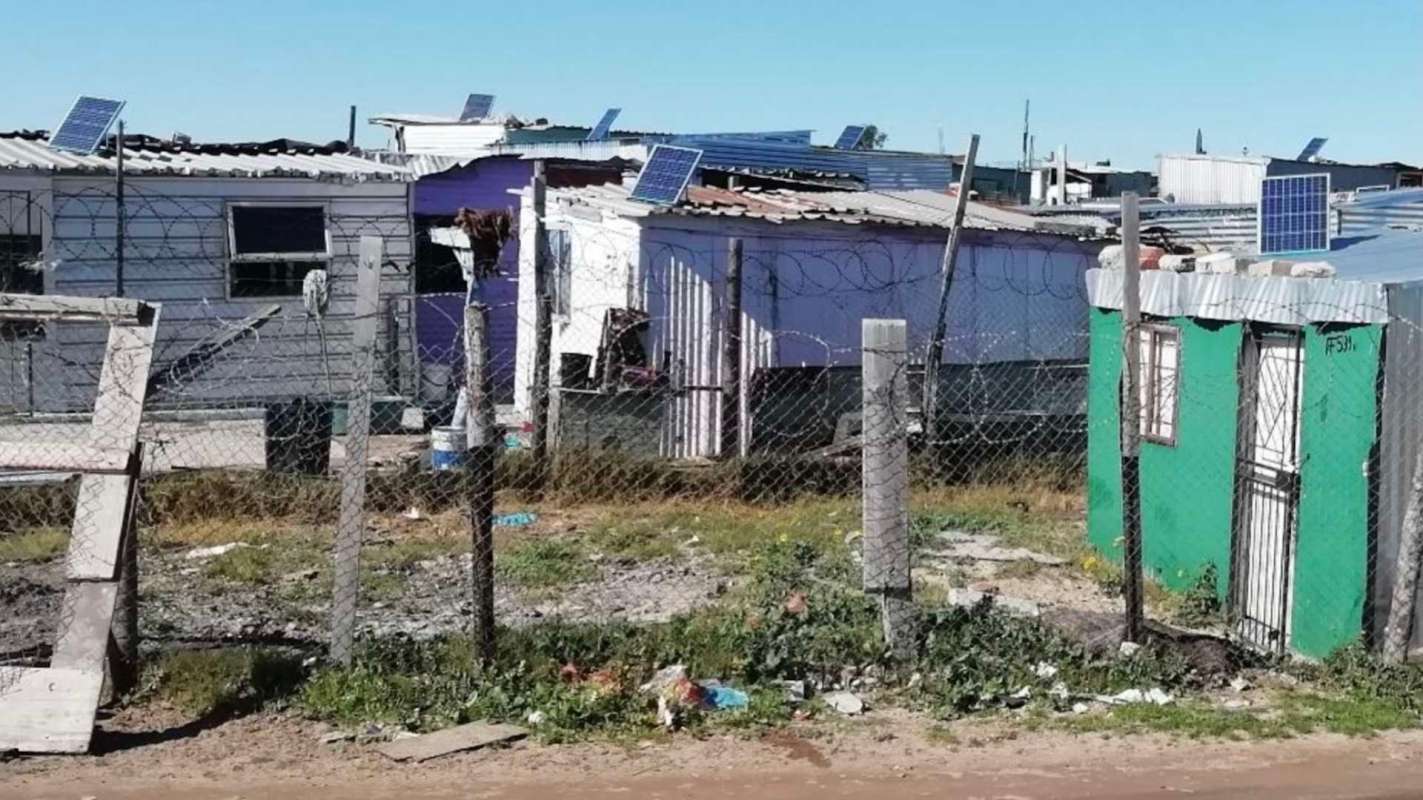
For thousands of families in one South African settlement, electricity arrived not through new poles or buried wires, but through small solar kits installed directly on rooftops.
The stopgap systems brought light, phone charging, and television access to households that had spent years waiting for a conventional grid connection.
Here's what to know
From 2013 to 2022, the iShack Project equipped more than 2,000 shacks in Enkanini, an informal settlement in Stellenbosch, South Africa, with small solar systems that included panels, batteries, and lighting points, according to Click Oil and Gas.
Each system was intentionally modest, delivering roughly 50 to 75 peak watts — enough to power lights, charge mobile phones, and run a television or other low-consumption devices.
Crushed by your bills? See instant solar savings from vetted installers in just a few clicks With energy prices through the roof, there's never been a better time to go solar — and EasyHome can help you find the best prices from the best installers in your area. EasyHome takes the guesswork and headaches out of energy upgrades by showing you estimated savings from a network of vetted local partners. To get started, just enter your ZIP and share a few details about your home — seeing your estimate is really that easy. |

That meant families could study after dark, stay connected, and access news and entertainment without waiting for the public grid to be completed.
Going solar is also one of the best ways for homeowners to save on energy costs. If you're considering it, you can explore EnergySage to get free solar installation estimates and compare quotes.
More background
The core issue was timing. Families needed access to electricity well before large infrastructure projects could reach the settlement.
Bringing a standard power grid to an informal community can take years because it depends on planning, poles, cables, meters, and conditions that enable safe connections.
So instead of waiting for full utility service, households were given standalone solar-and-battery setups that could be mounted right on a shack roof.
The initiative also went beyond providing hardware. Residents were trained to handle tasks related to installation, sign-ups, payments, and repair follow-up, thereby creating local income opportunities and reducing dependence on outside technicians.
Even so, the project made clear how far a temporary energy fix can go — and where it falls short. Better lighting can quickly improve everyday routines, but it does not resolve sanitation, drainage, land status, building safety, or the larger need for dependable public infrastructure.
What's being done?
For those considering their energy options, EnergySage can help you go solar with free tools that let you curate competitive bids from local installers without them obtaining any of your contact information unless you choose to work with one.
More From EnergySage
💡Go deep on the latest news and trends shaping the residential solar landscape




Those free services can translate into major savings: with EnergySage's help, the average person can save up to $10,000 on solar purchases and installations. Homeowners can also use EnergySage's solar map, which shows the average cost of a home solar panel system on a state-by-state level as well as details on solar panel incentives for each state. Together, those resources can help shoppers get the best price for rooftop solar panels and access available incentives.
To get even more out of your solar power, add battery storage to protect your home during outages, save money on energy, and go off grid. Homeowners interested in learning more about battery options and comparing competitive installation estimates can explore EnergySage.
Enkanini's experience suggested that even limited access to electricity can make a meaningful difference in daily life, while also showing that these systems were meant to bridge the gap until fuller public infrastructure arrived.
Where can I learn more?
Enkanini's rooftop solar kits offer a clear example of what small systems can do when a full grid connection is still years away. However, it's far from the only example of the landscape — community solar options, adoption hurdles, and costs limiting access.
• In North Lincolnshire, a free solar rollout reached more households and cut local energy bills.
• In the Philippines, trust in solar providers remained a major barrier to rooftop adoption.
• On rooftops, solar panels convert sunlight into electricity that can power lights and devices.
• For U.S. homeowners, solar panel costs depend on equipment, labor, incentives, and home design.
• In the United States, solar subscriptions expanded access by avoiding large upfront installation costs.
Along with Enkanini's experience, these examples show immediate benefits solar can bring and the practical limits that still help determine who gets dependable access.

Get TCD's free newsletters for easy tips, smart advice, and a chance to earn $5,000 toward home upgrades. To see more stories like this one, change your Google preferences here.






