


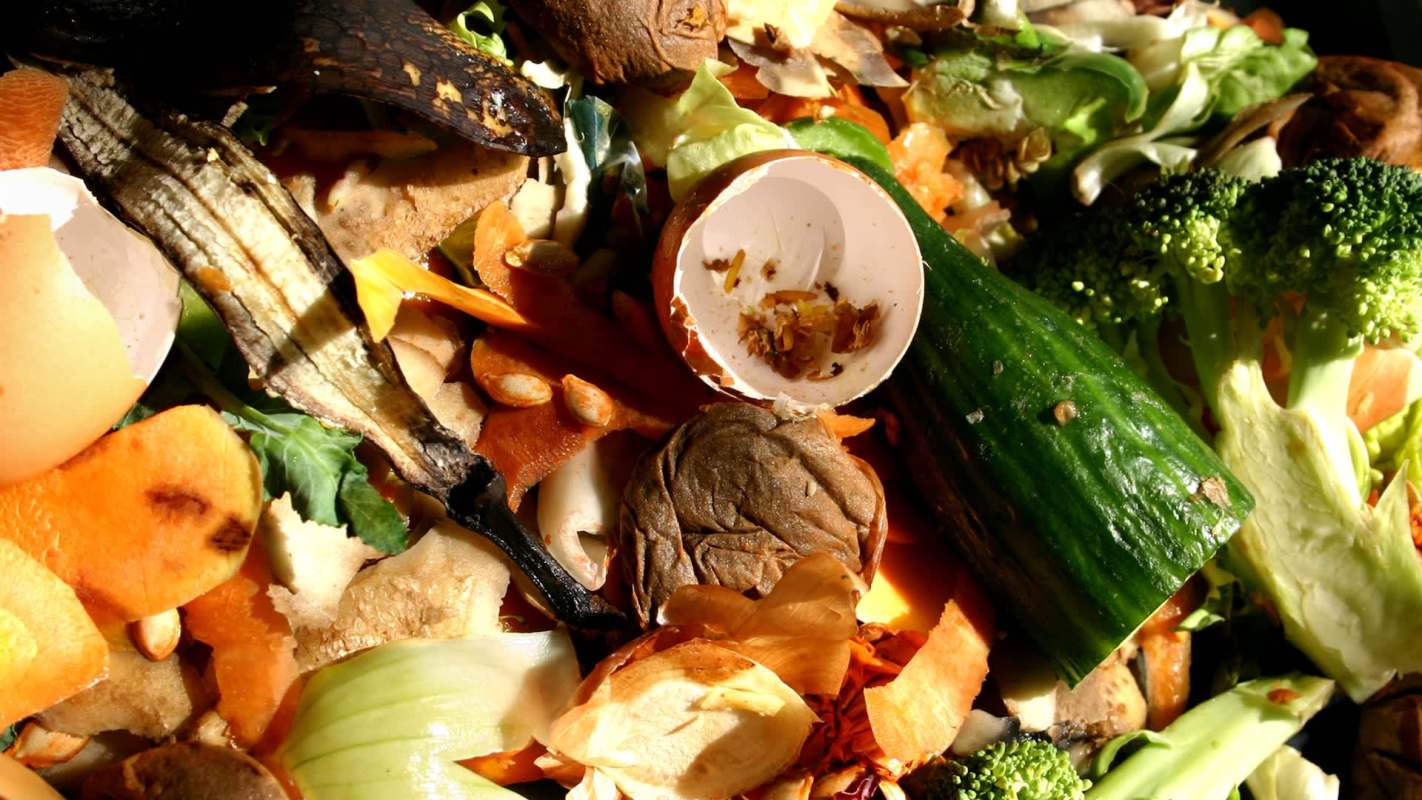
Grand Rapids, Michigan, is trying a new way to deal with food waste. A pilot lets residents separate food scraps from regular garbage and turns the collected material into compost the community can use, as MLive detailed.
Here's what to know
Instead of paying for an added pickup service, residents can take scraps to free drop-off bins located across all three city wards, the city said in a press release. The Public Works Department will collect material from seven food scrap bins and return the finished compost to residents. The program is part of Renew Grand Rapids.
"Residents have been asking for a food scrap collection option since our Climate Action and Adaptation Plan engagement sessions as early as 2023," Annabelle Wilkinson, the city's chief sustainability officer, revealed in the release.
The pilot is aimed at a sizable part of the local waste stream. The city said organic material represents about 35% to 40% of Grand Rapids' municipal solid waste, or roughly 13,000 tons each year, and much of it is still burned or buried in landfills instead of being composted.
More background
As food scraps decompose in landfills, they release methane, a heat-trapping gas that is far more potent than carbon dioxide. Methane is also a major driver of rising global temperatures.
Municipal composting can reduce waste and help residents who want to cut household trash but may not have the resources to compost at home.
TCD Picks » Quince Spotlight
💡These best-sellers from Quince deliver affordable, sustainable luxury for all




Placing bins across the city could also make this program more accessible. Rather than limiting composting access to one neighborhood, the city is testing whether a geographically distributed network can make participation easier and more equitable.
What's being done?
Before opening the effort to residents, Grand Rapids tested the idea internally in 2025 at five major city operations sites, MLive reported. Over six months, the city said that the trial kept more than 5,000 pounds of food waste out of the trash stream and gave staff a chance to work through collection logistics.
The city also gathered public input before settling on the new program's design. During three events held across the wards in March 2026, residents were asked where drop-off bins should go and how the compost should be distributed back.
Those responses helped determine the final drop-off locations.
"By converting food scraps into high-quality compost, we're not only reducing waste, we're actively addressing climate change," Wilkinson declared in the release. "This is about giving 13,000 tons of organics a second life and building a healthier future for Grand Rapids."
Where can I learn more?
Grand Rapids' drop-off pilot is part of a push across the country and beyond to keep food scraps out of landfills and turn them into something useful.
• In Detroit, officials launched a food-scrap drop-off pilot to tackle Michigan's broader food waste problem.
• In New York City, Queens expanded curbside composting across the borough, creating the nation's largest program.
• In Minneapolis, Soil Syndicate organized a free community compost event around kitchen scraps and local action.
• In Malaysia, a company partnered with farmers to turn community waste into food-growing material and extra income.
Composting isn't going to look the same for everyone. Learning about what other people are doing, however, can help city and town managers potentially figure out their own composting programs.

Get TCD's free newsletters for easy tips, smart advice, and a chance to earn $5,000 toward home upgrades. To see more stories like this one, change your Google preferences here.






