


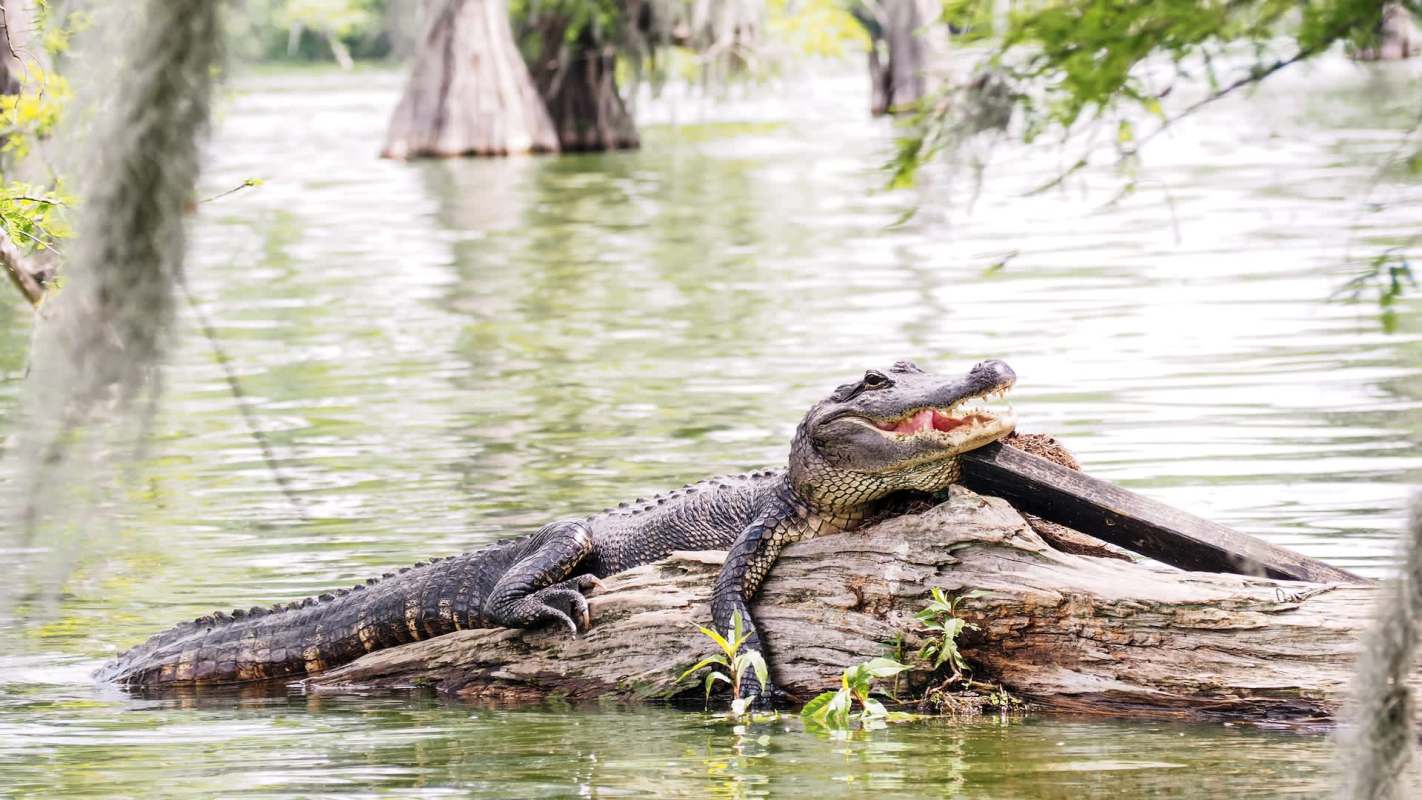
For the first time since 1962, Louisiana is moving toward allowing recreational alligator hunting again.
With a new lottery plan, thousands of residents could be allowed to harvest alligators in October, a notable change in how the state has managed one of its most familiar wild animals.
Here's what to know
Under the new program, the Louisiana Department of Wildlife & Fisheries is offering as many as 5,000 spots in a recreational alligator hunt, according to IFLScience. Each successful applicant can receive up to two tags, which means the total number of alligators killed could reach 10,000.
The policy shift follows a major rebound in the state's alligator numbers. Wildlife officials estimate Louisiana now has up to 3 million alligators, up from fewer than 100,000 in the 1950s.
That comeback came after years of tougher protections. Louisiana banned alligator hunting entirely from 1962 to 1972 when heavy harvesting had pushed the species into serious decline, and later moved to tightly regulated commercial harvesting for meat and skins. Official figures put that annual harvest at about 24,000 animals within a $250 million industry.
Participation is restricted to Louisiana residents who have both a basic hunting license and a recreational alligator hunting license. The first lottery window closed.
TCD Picks » Quince Spotlight
💡These best-sellers from Quince deliver affordable, sustainable luxury for all




More background
A large alligator population can raise safety concerns and increase human-wildlife conflicts in waterways, neighborhoods, and fishing areas. At the same time, turning recovered wildlife into a recreational target can complicate coexistence with native species.
The hunt still comes with strict conditions. Tags cannot be sold, given away, or reassigned, and IFLScience reported that the permit holder selected through the lottery must remain present for the entire hunt, even if others help.
The rules also tightly limit hunting methods. Hunters may use only hook-and-line setups or a snatch hook, and any alligator caught must be killed immediately with a shot between the eyes. Shooting free-swimming alligators or hunting them at night is prohibited.
What's being done?
Louisiana is framing the hunt as a controlled management tool rather than a free-for-all. By using a lottery, the state is capping participation and keeping the hunt limited to a set number of licensed residents.
If officials continue to track population trends closely, they may be able to determine whether the recreational hunt meaningfully changes local alligator numbers or remains a small addition to existing commercial harvesting.
Wildlife recovery does not end when a species rebounds. How states manage that success can shape public safety, local economies, and ecosystem health.
The launch of this lottery marks a new phase in Louisiana's relationship with alligators, following a population comeback and raising questions about how conservation success is managed once a species returns in force.
Where can I learn more?
Louisiana's alligator lottery is part of a broader conversation about how states manage reptiles and other wildlife once populations grow or the risks around them change. The articles below examine how contamination, invasive species, and animal-protection rules can shape responsible management.
• In Georgia's Okefenokee, University of Georgia scientists found troubling mercury levels in swamp alligators.
• Across the Everglades, organizers offered cash prizes during a major invasive snake-killing competition.
• In Maryland, lawmakers closed a loophole in animal cruelty law after years of concern.
They also add context to what happens after a wildlife rebound, when management decisions can get politically and ethically messy.

Get TCD's free newsletters for easy tips, smart advice, and a chance to earn $5,000 toward home upgrades. To see more stories like this one, change your Google preferences here.







