


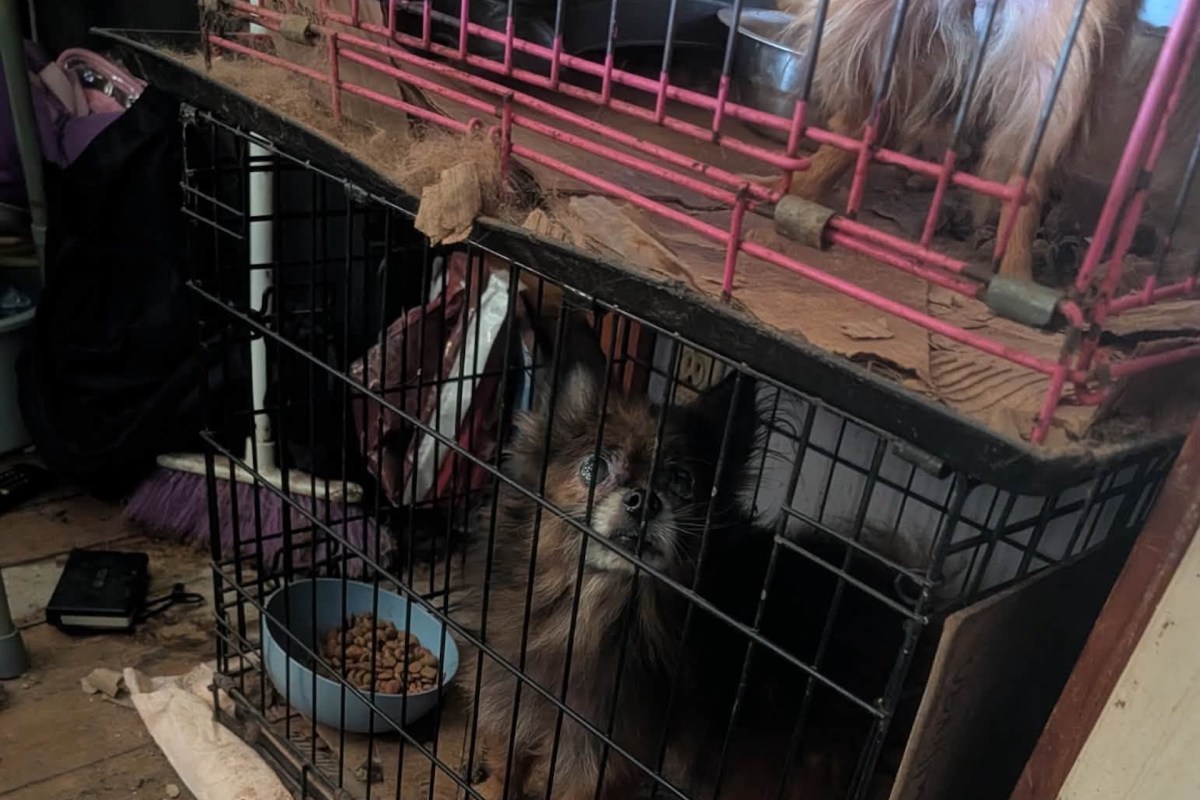
A mass rescue in Steuben County has left an Indiana animal shelter caring for 42 pets taken from a home with extreme conditions, in a case described as "one of the worst hoarding cases its director has encountered."
For the Community Humane Shelter of Steuben County, the rescue has become both an emergency response and a major strain on local resources.
Here's what to know
The shelter says it has removed 42 animals — 16 dogs and 26 cats — after a report about the property prompted staff to respond, according to WOWO, which cited WANE-15. Officials believe more cats may still be at the location.
Rescuers found animal waste spread throughout the residence, said Faith Robinson, director of the Community Humane Shelter of Steuben County, including crates containing inches of feces. She said the odor inside was overpowering and that workers had to use special health precautions during the rescue.
While the animals were not considered severely malnourished, WOWO reported, many are being treated for serious health problems, including severe flea infestations, worms, parasites, and ear mites.
The burden is now falling on a private nonprofit that cares for more than 2,000 animals each year and receives no government funding.
TCD Picks » Quince Spotlight
💡These best-sellers from Quince deliver affordable, sustainable luxury for all




More background
Animal hoarding cases can create dangers that go well beyond overcrowding. Even when pets are being fed, unsanitary conditions can lead to disease, untreated injuries, parasite outbreaks, and behavioral stress that can make rehabilitation more difficult.
Every dog and cat taken from the home will still need vet care, vaccinations, and spay or neuter procedures before adoption. That process takes time, staffing, medication, kennel space, and money.
Robinson said the case highlights the need for Steuben County to have a dedicated animal control officer to investigate neglect cases.
What's being done?
The shelter is focusing on stabilizing the rescued animals and preparing them for adoption, WOWO reported. That includes treating parasites and infections, updating vaccinations, and making sure each pet is healthy enough for a permanent home.
Because the shelter is a private nonprofit, donations can directly help cover the cost of food, medical care, and surgeries for the animals pulled from the property.
Authorities are also continuing to investigate the case. Any criminal charges would be determined by law enforcement and prosecutors based on the evidence gathered at the property.
The shelter is left to do the difficult, immediate work of helping dozens of animals recover from filthy conditions and turning a traumatic rescue into a chance at safe, permanent homes.
Where can I learn more?
Big animal rescues can quickly stretch shelters and rehab groups thin, whether the crisis starts with a puppy mill, a fur farm, or another emergency. Here are a few stories from Iowa, Ohio, and the U.K. about how local organizations responded when they had to step in fast.
• In Iowa, rescuers washed puppies at a shelter after removing them from a puppy mill.
• In Ohio, rehabbers worked together after finding hundreds of animals living in shocking conditions at a fur farm.
• In the U.K., towels that were left behind at a festival were repurposed as bedding for animals needing low-cost care at a wildlife rescue.
Each case is a reminder of how fast animal welfare emergencies can overwhelm even experienced organizations. It also highlights why donations, volunteers, and coordinated care matter when shelters like Steuben County's are left carrying the immediate burden.

Get TCD's free newsletters for easy tips, smart advice, and a chance to earn $5,000 toward home upgrades. To see more stories like this one, change your Google preferences here.






