


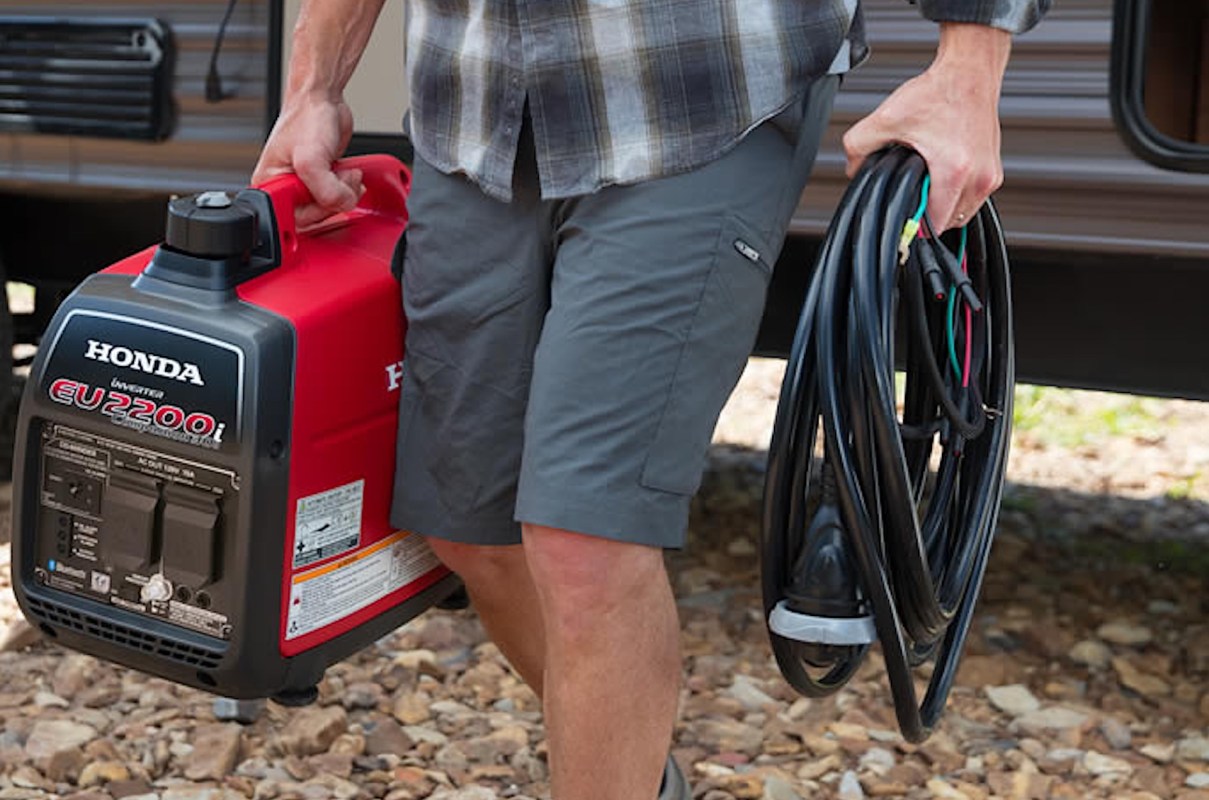
A new owner of a Honda EU2200i turned to Reddit with a question many backup-power shoppers have after an outage: Once the lights come back on, what is the best way to store a generator so it still works the next time it is needed?
Spending about $1,300 on a generator after a week without electricity is the kind of purchase that naturally makes someone think about long-term care.
Here's what to know
In a post on r/Generator, they described buying the Honda inverter during a blackout, using it for around eight hours, changing the oil early, adding stabilizer to ethanol-free gas, and storing the unit after draining the fuel line.
The owner said, "I just want my $1300 investment to last for years."
Users said the owner was already taking many of the right steps, but the biggest debate focused on whether a generator should be stored with treated fuel or completely dry.
One user reassured the poster, "What you are doing is perfect and just starting it every few months is good enough."
TCD Picks » Quince Spotlight
💡These best-sellers from Quince deliver affordable, sustainable luxury for all




Another said, "Problem is, 3 months turns into 6 months, then a year, then 2, and next thing you know, you don't remember the last time you started it and when you need to use it, it won't start because the carb is all gummed up."
More background
Fuel problems are among the most common headaches with small gas-powered equipment. Even when owners handle much of the maintenance correctly, gasoline that sits too long can leave varnish and gum inside the carburetor and fuel system.
Emergency equipment can sit untouched and seem perfectly fine until the next storm, outage, or heat wave reveals that it will not start.
From a financial standpoint, the "store it dry" approach could help extend the lifespan of a $1,300 generator, reduce the risk of maintenance issues caused by stale fuel, and prevent owners from wasting gas by rotating stored fuel into their cars rather than dumping it.
What can be done?
The thread points to a practical routine: use fuel stabilizer, run the machine periodically if it is realistic to maintain that schedule, and consider draining the tank and carburetor before long-term storage.
Some Redditors also suggested keeping treated ethanol-free fuel in reserve for surprise outages, moving older gas into a vehicle, and refreshing that supply on a regular schedule. The idea is to reduce stale-fuel problems without throwing usable gas away.
By the end of the discussion, the OP seemed to lean that way, first asking for an easier method to empty the tank and then deciding to remove the fuel before putting the generator back into storage.
For many households, the best backup power plan is not just about buying a reliable generator. It is also creating a storage routine that is simple enough to follow when life gets busy.
Where can I learn more?
That debate points to a broader maintenance truth: small upkeep habits can help prevent bigger, more expensive problems later. The stories below explore the same idea in other everyday situations, from cutting back on wasted engine time to cleaning appliances before extra wear and energy use start to pile up.
• Drivers can cut fuel waste and pollution by stopping long idling sessions in everyday traffic.
• A simple dryer routine can keep electricity bills from climbing while reducing lint-related trouble.
• On TikTok, homeowners learned they can clean condenser coils regularly to cut refrigerator energy waste.
• Even seasoned homeowners were surprised that one appliance part can quietly drive up power use.
• Refrigerators last longer when owners clean these coils regularly instead of forgetting them.
None of these tasks take much time, and they all come back to the same point raised in the generator discussion: equipment tends to last longer when upkeep is easy enough to stick with. That kind of routine can make a real difference when you're trying to protect an expensive generator for the long haul.

Get TCD's free newsletters for easy tips, smart advice, and a chance to earn $5,000 toward home upgrades. To see more stories like this one, change your Google preferences here.






