Severe weather can turn a stocked fridge and a dry basement into major question marks within hours.
One Chicago-area Reddit user says a large portable battery helped keep the essentials running through a nine-day blackout, saving both groceries and a great deal of stress.
Here's what to know
A homeowner near Chicago wrote that a derecho cut electricity to more than 300,000 people in the area.
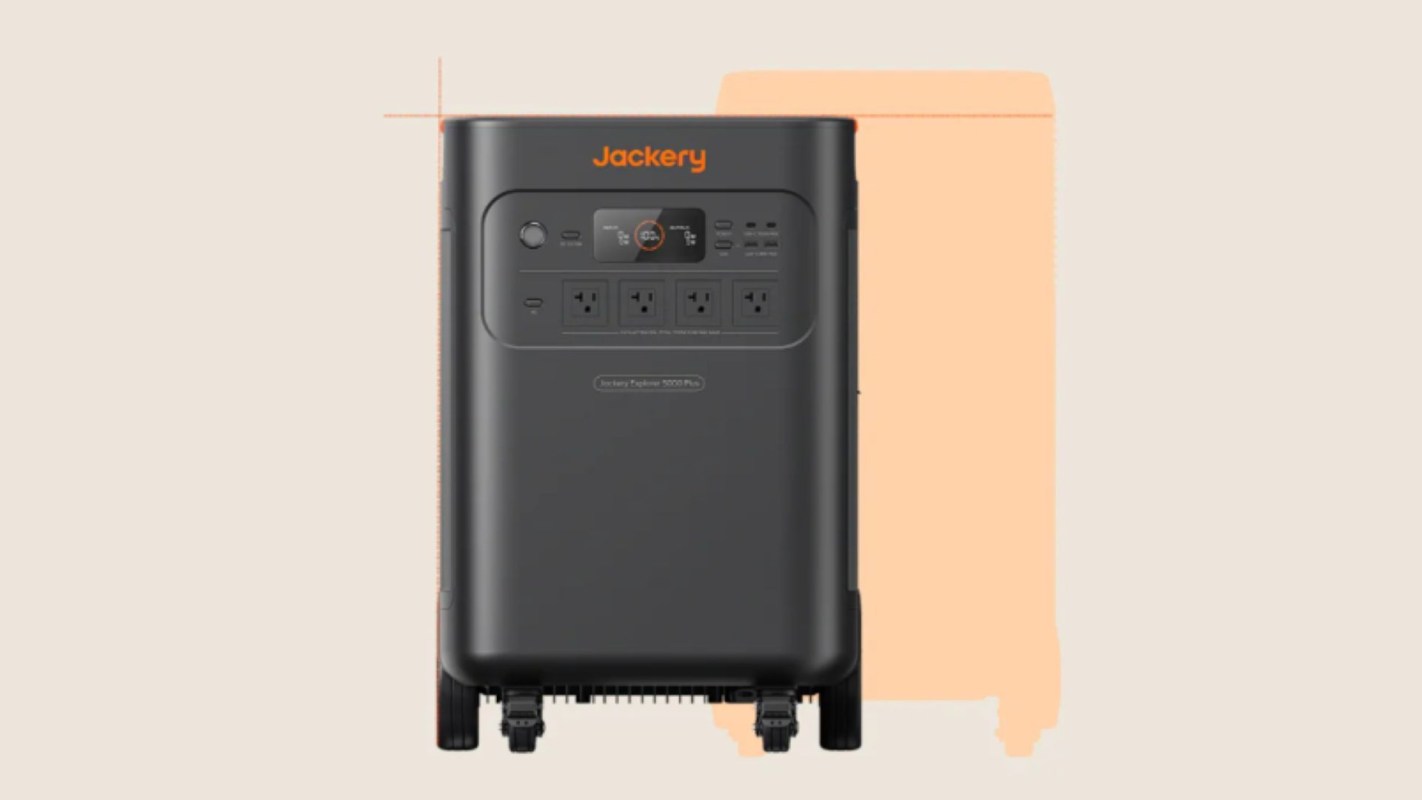
The user had purchased a Jackery Explorer 5000 and two solar panels and had charged the unit before the storm arrived.
Once the outage began, that backup power became central to the household's response. The battery was put to work on a sump pump, deep freeze, fan, and refrigerator while the family learned how to operate the setup in real time.
Solar conditions became a problem. The user wrote, "After about 20 hours I had to run it to someone that had power so I could charge it," and said the outage was followed by four straight days of rain and cloud cover.
TCD Picks » Quince Spotlight
💡These best-sellers from Quince deliver affordable, sustainable luxury for all




The poster also noted that more than 15,000 people in Gary, Indiana, still lacked power after the storm.
More background
Keeping a refrigerator and freezer cold can prevent expensive food loss, while powering a sump pump can help households avoid water damage that could cost far more than the battery itself.
One commenter wrote that "having a backup system has sure given us some peace of mind and come in handy during outages."
Another described using several smaller units during a four-day winter outage and said, "We were very comfy and even had a neighbor stay one night."
Large portable batteries can also be quieter and easier to manage than gas generators for some household needs, especially indoors.
Still, the thread showed that battery size, weather conditions, and access to recharging all play a major role in determining how useful a system will be during a blackout.
What can be done?
First, identify which devices matter most during an outage. A refrigerator, freezer, fan, router, or sump pump may all be high-priority items, but runtime depends on how many devices are connected and how much electricity they draw.
Second, think beyond the base unit. The original poster said cloudy weather made solar recharging difficult, and comments explored expansion batteries, longer extension cables, and adding more panels. Those details can become especially important when an outage stretches across several days.
Portability is another major factor. One commenter said several smaller power stations were easier to move around and swap out for recharging, while another commenter from the Chicagoland area said they were trying to arrange a smart transfer switch installation and had gotten one $6,000 quote.
Another takeaway from the thread was the value of preparation: the poster said they had not read the manual before the storm, so the first stretch of the outage doubled as an impromptu lesson in getting the system running.
The poster's conclusion was simple: "All my food was saved! My sanity too."
Where can I learn more?
The Chicago-area outage story also reflects a bigger shift in backup power: batteries built to keep food cold, pumps running, and homes livable when the grid goes down. The coverage below looks at options ranging from larger home systems to renter-friendly backups and portable units that can help during anything from a stormy week to a summer heat wave.
• Jackery introduced a home battery system with 100 safeguards and automatic fire suppression.
• New portable power stations show what essential appliances can stay running off-grid.
• Renters have briefcase-style backup power that can keep basic devices on.
If you're deciding between a portable battery and a full home setup, these articles give a clearer sense of the trade-offs. They also highlight the practical details — weather, recharging access, and installation costs — that can determine what holds up when the power stays out.

Get TCD's free newsletters for easy tips, smart advice, and a chance to earn $5,000 toward home upgrades. To see more stories like this one, change your Google preferences here.