


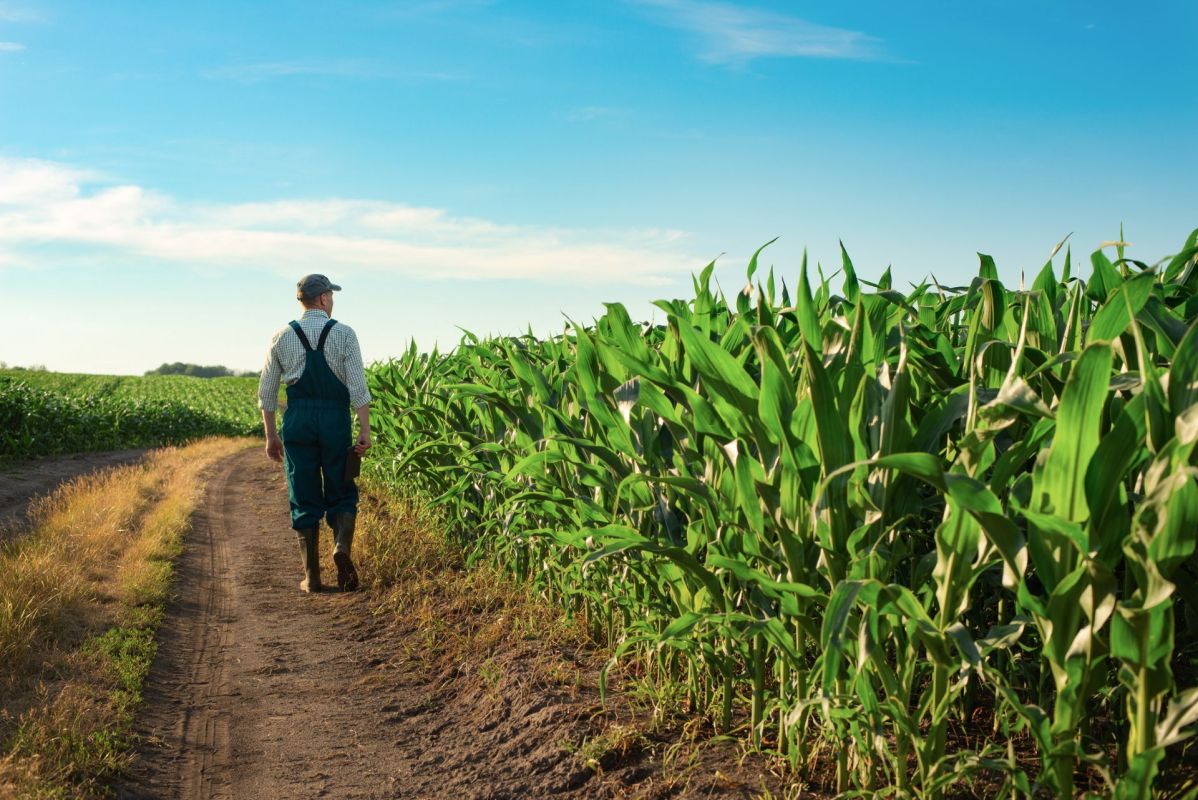
As temperatures climb across U.S. farm country, a dangerous overlap is coming into sharp focus: Extreme heat can make pesticide exposure even more harmful for the people harvesting the nation's food.
Inside Climate News reported that researchers and farmworker advocates see this as a growing danger for the country's 2.4 million farmworkers.
Here's what to know
Researchers say hot weather can change both workers' bodies and the chemicals around them. Beyond making farm labor more physically taxing, high temperatures can increase sweating and skin absorption, speed pesticide evaporation, and in some cases alter chemicals into more toxic forms.
Exposure can happen through more than one route, Omanjana Goswami of the Union for Concerned Scientists' food and environmental program said.
"When it's in the air, you are inhaling it through your nose. You are exposed to it through your other organs like skin," Goswami told ICN. "Your skin can absorb some of the pesticides [that are] in the air, and also when you're sweating as part of doing your work you are increasing the pore size of your skin. It is awful. There is no other word for it."
Reported poisonings are not limited to people who spray pesticides; field workers account for most documented cases. A Union for Concerned Scientists report found that acute pesticide poisoning affects thousands of U.S. farmworkers each year, though many incidents are believed to go unreported.
TCD Picks » Quince Spotlight
💡These best-sellers from Quince deliver affordable, sustainable luxury for all




Over the long term, pesticide exposure has been linked to cancer, depression, diabetes, neurodegenerative diseases, and reproductive problems.
More background
When heat stress and pesticide exposure happen at the same time, the odds of immediate illness can rise. Risk can also follow workers home because residue left on skin or clothing may expose others.
Jeannie Economos, the pesticide safety and environmental health project coordinator at the Farmworker Association of Florida, said the burden falls on people with the least power to avoid it.
"This is definitely a case of environmental injustice," she told ICN.
Most U.S. farmworkers are immigrants and people of color. Economos described them as "landless farmers," saying that immigration status, lack of capital, and discriminatory systems leave many workers especially vulnerable.
Heat is the leading weather-related killer in the United States. Citing the Bureau of Labor Statistics, the Occupational Safety and Health Administration said 1,042 workers died of heat-related causes from 1992 to 2022 — about 34 per year, ICN reported.
What's being done?
OSHA is advancing a heat standard it proposed in 2024. The rule would more clearly define employer obligations and require companies to identify and address heat hazards on the job.
Because no dedicated federal standard exists, OSHA has relied on the Occupational Safety and Health Act of 1970's general duty clause. That provision requires employers to keep workplaces free of known dangers that could seriously injure or kill workers.
Several states — California, Colorado, Maryland, Minnesota, Nevada, Oregon, and Washington — have heat protections. Some states, including Texas and Florida, have blocked cities or counties from adopting similar rules. In 2024, Florida lawmakers stopped local governments from setting outdoor worker heat standards after Miami-Dade County considered a measure that would have required water breaks, rest breaks, and training on heat illness.
"We tell people, don't pick up your children when you get home until you take your clothes off and take a shower, because you're going to contaminate your kids," Economos said, according to ICN.
Where can I learn more?
The problem doesn't end with one field or one shift. Rising temperatures, uneven protections, and pesticide exposure can put farmworkers and nearby communities at risk.
• Across hotter regions, less obvious heat harms are sending more people to hospitals.
• Consumer Reports found harmful pesticide residues linger on many popular fruits and vegetables.
These stories add context to the ways heat and chemical exposure can stack up for workers, families, and neighbors. They also help explain why stronger protections matter all along the food chain.

Get TCD's free newsletters for easy tips, smart advice, and a chance to earn $5,000 toward home upgrades. To see more stories like this one, change your Google preferences here.






