


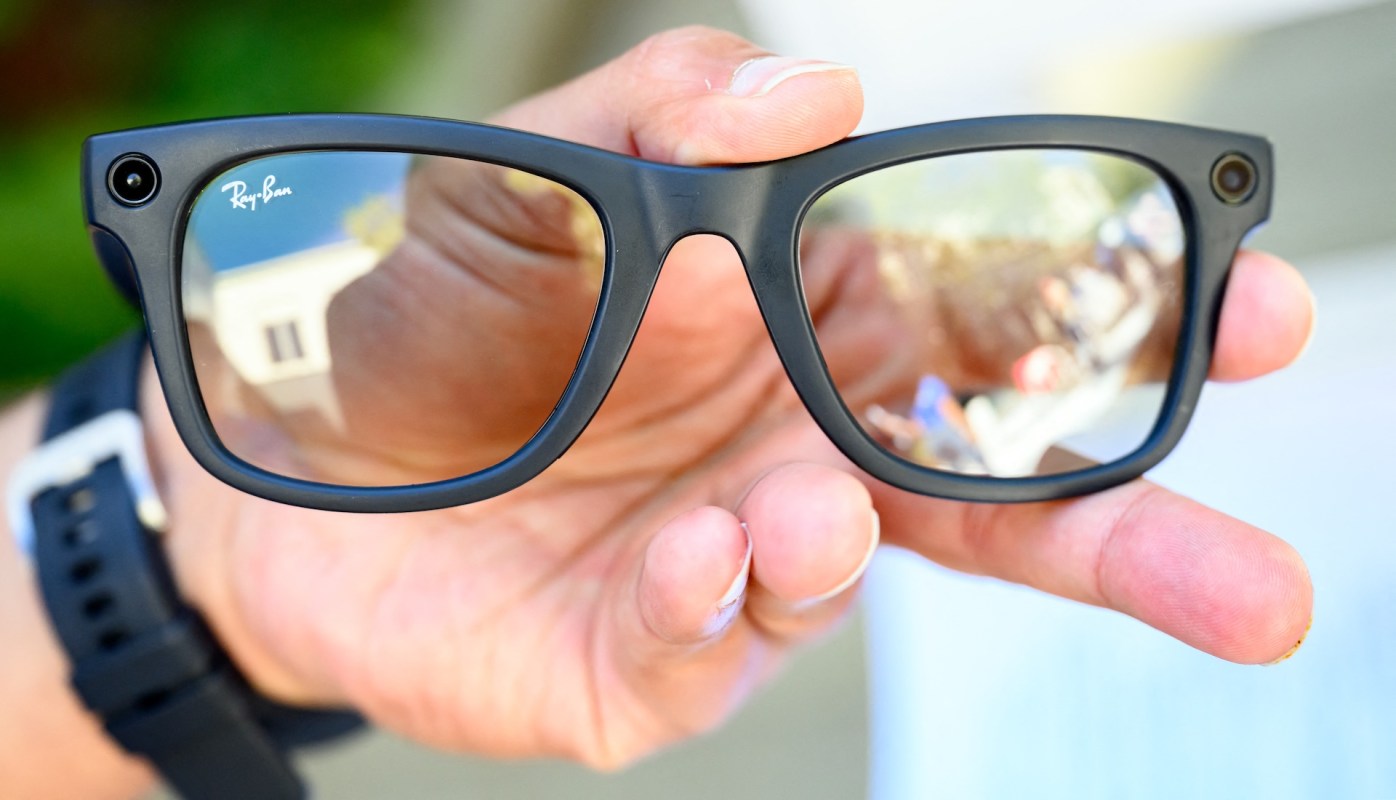
Meta may be preparing a hard stop for some AI glasses users after striking backlash over covert recording and inappropriate behavior.
Here's what to know
For a gadget meant to blend into everyday life, the Ray-Ban-branded device has become a flashpoint in a broader debate over privacy, trust, and what people are willing to accept from AI-powered technology.
Futurism highlighted a Meta patent that was filed on Feb. 6 and granted. It describes hardware-based privacy controls for consumer devices, mentions "augmented reality devices," and includes drawings that resemble the company's existing smart glasses.
Rather than depending only on software settings, the idea would let the device itself shut off sensors — essentially the "kill switch" framing used by The Independent. For a product criticized because recording can be difficult for other people to notice, that would represent a notable change in approach.
The backlash has looked familiar to anyone who remembers Google Glass. Because Meta's glasses are meant to pass for ordinary Ray-Bans, reports of people using them to record strangers, pull pranks, and harass others in public helped cement the nickname "pervert glasses" and revived a broader unease about being watched.
More background
Privacy concerns escalated after Swedish newspapers Svenska Dagbladet and Göteborgs-Posten published a joint investigation that said reviewers in Nairobi were instructed to examine deeply personal material captured by the glasses, which shifted attention beyond who might be recorded in the first place to who could later gain access to the footage.
TCD Picks » Quince Spotlight
💡These best-sellers from Quince deliver affordable, sustainable luxury for all




At the moment, Meta's main recording signal is a small LED light on the front of the glasses. Futurism reported that users have allegedly been able to undermine that indicator with something as simple as a sticker, and that software checks meant to shut the camera down after suspected interference have also reportedly been bypassed.
AI can help improve daily life and support the energy transition by optimizing power use, forecasting electricity demand, and improving the efficiency of clean energy systems. At the same time, AI tools rely on energy-intensive computing infrastructure that can strain the grid, consume large amounts of water, raise security concerns, and drive up costs when companies add always-on features without fully accounting for the tradeoffs.
What's being done?
If Meta eventually brings this patent to market, a hardware-based sensor shutoff could offer more reassurance than a setting buried in an app. Physical controls are easier for users to understand, harder to casually manipulate, and potentially more credible for everyone nearby.
That patent does not necessarily mean guaranteed change. Companies frequently file for ideas that never become actual products, and Meta has not publicly clarified which devices this system would ultimately cover. Still, the filing suggests the company recognizes that sleek design alone cannot solve a privacy problem created by discreet recording.
In schools, stores, restaurants, and on public transit, clear rules around recording may matter as much as the technology itself.

Get TCD's free newsletters for easy tips, smart advice, and a chance to earn $5,000 toward home upgrades. To see more stories like this one, change your Google preferences here.






