State lawmakers chose not to advance a tax bill that many backers consider essential to financing Alaska's huge liquefied natural gas project, creating a fresh delay for the development.
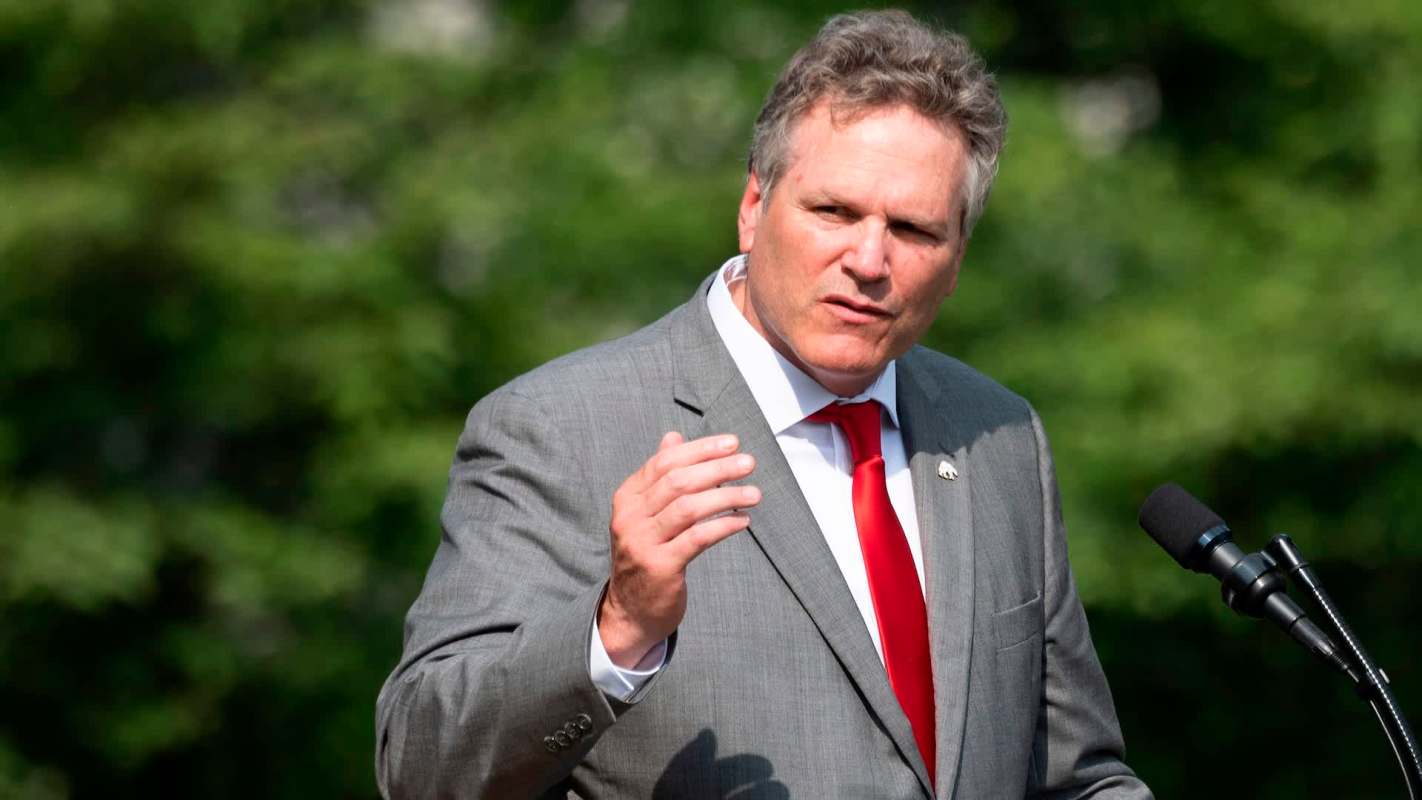
After the decision, Alaska Gov. Mike Dunleavy warned that delaying the vote could unsettle investors and prospective overseas customers who are still assessing whether the venture will proceed.
Here's what to know
At issue is a set of tax revisions connected to the proposed $50 billion Alaska LNG project. The development centers on an 800-mile pipeline and export terminal that would move North Slope gas across Alaska before shipping it to buyers in Asia.
According to Pipeline Journal, Dunleavy said the legislature's refusal to come back for a vote would be read poorly by potential financiers and foreign partners considering involvement.
Legislative leaders said they lacked enough support to bring the bill forward. Dunleavy is urging lawmakers to return on August 20 and revisit the measure.
The project has attracted preliminary commercial support. Japanese energy companies JERA and Tokyo Gas have entered preliminary purchase deals covering a combined 2.2 million US tons (2 million metric tons) of LNG each year, while lead developer Glenfarne Energy Transition has said it has commitments totaling about 14.3 million US tons (13 million metric tons) per year.
TCD Picks » Quince Spotlight
💡These best-sellers from Quince deliver affordable, sustainable luxury for all




More background
The project's next phase depends on financing, and financing depends on stronger contractual certainty.
Glenfarne is still seeking preliminary commitments for another 3 million tons and needs 80% of the total capacity under binding contracts before funding can be finalized.
Supporters say the development could improve domestic energy security and provide fuel to allies such as Japan, while also helping with an in-state supply problem.
Dunleavy underscored that concern, saying, "Alaska is running out of affordable, reliable natural gas."
Still, expanding fossil fuel infrastructure carries serious risks. The fossil fuel industry plays a major role in intensifying extreme weather disasters that destroy homes, livelihoods, and local economies.
It also contributes to air and water pollution linked to asthma, heart disease, cancer, and premature death, while leaving households exposed to volatile energy costs even as corporate profits rise.
Industry lobbying has also slowed the transition to cleaner, often cheaper energy solutions that could better protect public health and family budgets.
It is being pitched as a reliability and trade project even as the broader world grapples with the health, climate, and economic damage tied to continued dependence on fossil fuels.
What's being done?
The main action is political and commercial. Dunleavy wants lawmakers back in session on August 20, hoping a renewed tax vote can restore momentum and reassure companies weighing commitments.
Federal officials have treated the project as an important trade asset for Asian allies as developers try to turn preliminary agreements into binding ones.
Even so, the project's future appears to hinge on whether leaders can show it makes economic sense in a rapidly changing energy landscape. Large gas developments can take years to build, and delays often drive up costs and uncertainty.
Dunleavy put the stakes this way: "Delaying action only increases risk, raises costs, and limits future options."

Get TCD's free newsletters for easy tips, smart advice, and a chance to earn $5,000 toward home upgrades. To see more stories like this one, change your Google preferences here.