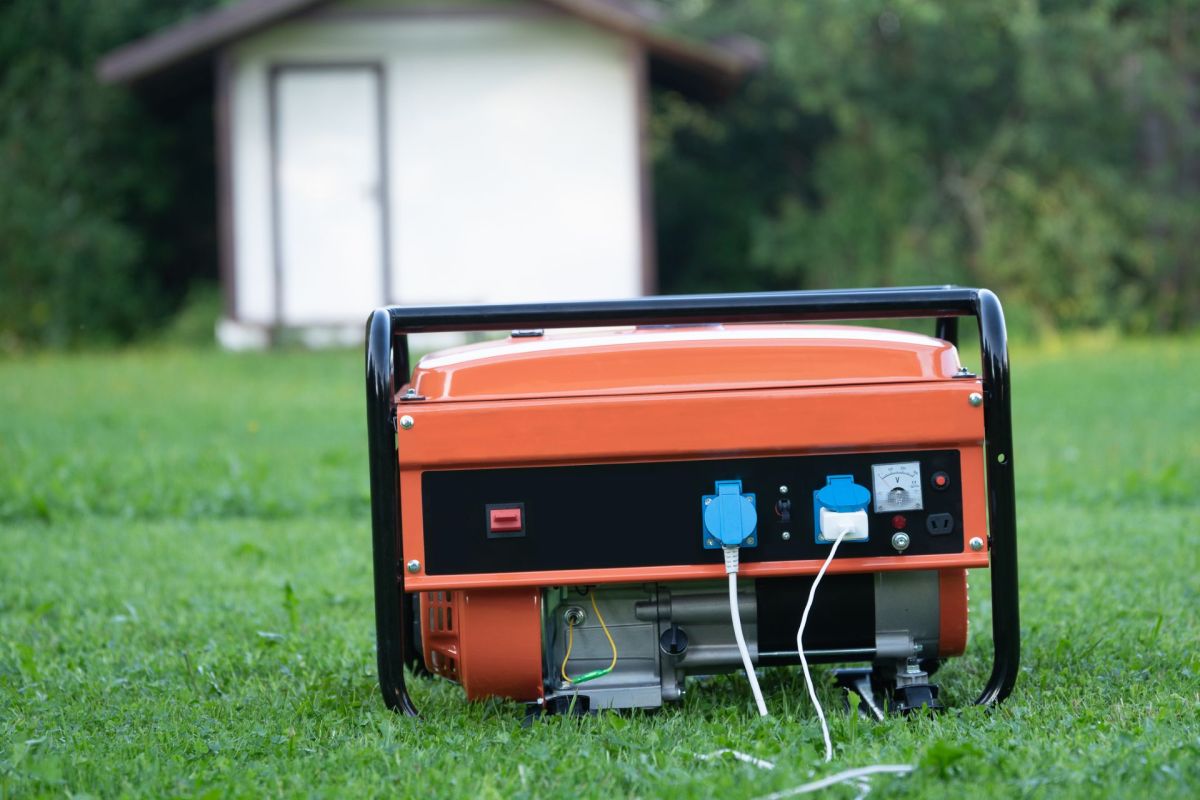
A request for an inexpensive generator recommendation drew very different advice from backup power enthusiasts after one homeowner mentioned how their house is heated.
Here's what to know
Writing in a Reddit thread on the site's r/Generator community, a homeowner said, "I have a small home (650 sq ft) and during the winter sometimes lose power for a few days," before asking for suggestions for something "reliable but also not cost a ton."
This original poster added that "I don't know much about generators since I've never had one before. What would be the best option for this size house?"
Instead of providing recommendations initially, commenters focused on a single missing detail. As one user put it, "We can't help steer you to the best generator solution for your house until we at least know how your house is normally heated when the power is on."
Replies then focused on an update OP provided, in which they wrote, "I use electric (2 mini splits) for heating and cooling."
That detail led the commenters to say the house may need far more backup capacity than its size suggests, because electric heat places a heavier continuous demand on a generator than a gas or propane furnace, which often uses electricity mainly for a blower or pump.
TCD Picks » Quince Spotlight
💡These best-sellers from Quince deliver affordable, sustainable luxury for all




A homeowner in a similarly sized house pointed to a cheaper alternative to a full-house setup, writing, "We ended up getting a Jackery 5000 battery backup and installed an interlock on our panel. We have a Honda 2200 inverter generator to charge the battery during the day. Just be mindful of your critical loads."
More background
Instead of centering the conversation on one specific generator brand, many replies focused on the broader plan. One commenter proposed a "1,500-watt box utility heater" plus an electric blanket for emergencies rather than trying to power the whole house at once.
Another suggested getting "the highest rated portable INVERTER generator you can afford," while still raising the question of which fuel source makes the most sense.
Focusing on essential appliances rather than paying for a whole-home system may keep shoppers closer to the roughly $400 to $799 portable models mentioned in the thread. It could also reduce fuel consumption during outages that last several days.

Get TCD's free newsletters for easy tips, smart advice, and a chance to earn $5,000 toward home upgrades. To see more stories like this one, change your Google preferences here.