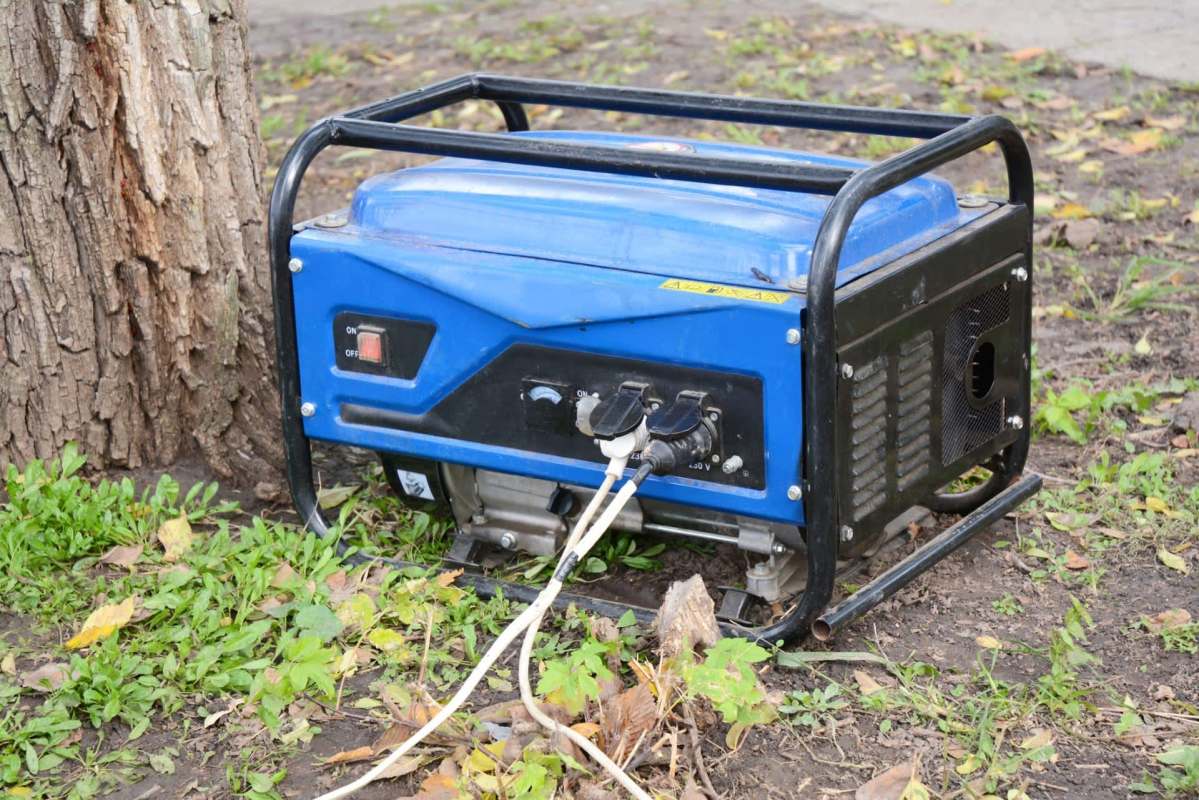
For households in outage-prone areas, a portable generator can be a money-saving lifeline — but only if it is connected safely.
One Yamaha owner learned the hard way after discovering that his generator's neutral bond did not align with the advice in many online tutorials.
Here's what to know
A homeowner in a rural area with frequent outages turned to Reddit after getting most of the way through setting up a Yamaha EF6300ISDE for home backup use. He said he already had "the breakers, interlock, and cable" in place, but stopped short because the generator itself was marked "Neutral bonded to frame."
As he wrote, "But I don't want to eff my generator."
The hesitation makes sense. Many online videos treat a floating neutral as the standard requirement when a portable generator is tied into a house through an interlock or transfer arrangement, but those walk-throughs do not always account for how much the details can vary from one model to another.
Commenters said the solution was not a broad rewiring job but identifying the single jumper that handled the bond.
TCD Picks » Quince Spotlight
💡These best-sellers from Quince deliver affordable, sustainable luxury for all




After looking over the wiring diagram, one person explained, "To lift the bond the red jumper needs to be disconnected from the frame while keeping all other connections intact."
The unusual part was the wire color. The original poster later confirmed, "The RED wire is neutral in these things."
He said that after disconnecting that wire and taping it off, the generator tested properly and powered essential household equipment.
More background
Backup power can keep a refrigerator, deep freeze, lights, internet equipment, and even a well pump running during a blackout — potentially saving a household money on spoiled food alone while also helping it avoid hotel stays, bottled water purchases, or other outage-related costs.
Part of what made the project stressful was the lack of clear guidance. In the thread, one commenter described the owner's manual as "almost useless" aside from the wiring diagram, which left the poster trying to reconcile generic internet instructions with the machine's nonstandard wire colors.
After the bond was addressed, the poster said the generator could power several home essentials simultaneously.
What can be done?
Anyone planning to connect a portable generator to a home panel should first determine whether the generator is bonded or floating. That means consulting the manual, studying the wiring diagram, and, when necessary, checking continuity with the proper tester, rather than assuming a general tutorial applies.
Just as important is getting the panel connection right. The original poster specifically warned, "Make SURE you have the wires wired into your breaker panel properly (Electrician?)."
That kind of professional help can cost far less than repairing damaged equipment or dealing with an unsafe installation.
There are also smaller setup points that can cause confusion. The poster added, "If you use the 120/240 outlet make sure to set the switch on the generator to 120/240 otherwise that outlet won't work."

Get TCD's free newsletters for easy tips, smart advice, and a chance to earn $5,000 toward home upgrades. To see more stories like this one, change your Google preferences here.