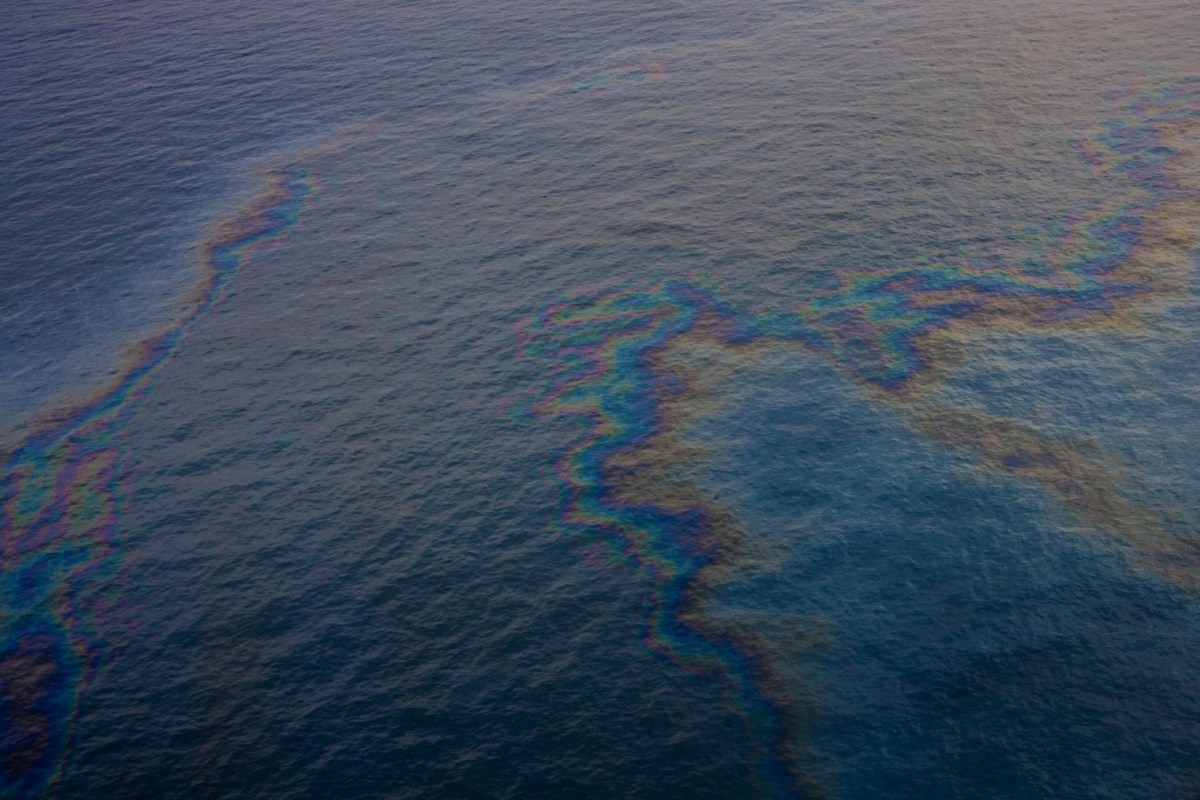
A widening oil slick from a grounded tanker is threatening a longer stretch of Oman's shoreline than initially feared, deepening concerns for beaches, marine habitats, and the coastal communities that depend on healthy waters.
Near Ras Madrakah, officials now believe the spill may affect as much as 25 miles of coastline, and parts of Masirah Island could also face contamination.
Here's what to know
After the Caroline Bezengi grounded near Al Qibliyah Island in the Hallaniyat Islands archipelago, Oman's Environment Authority said dedicated crews remained on the job to survey conditions, monitor the environment, and support cleanup efforts.
As Oil & Gas Middle East reported, crude from the stranded ship reached land in Oman, with contamination appearing on beaches at Ras Madrakah.
New projections put the potentially affected coastal zone at up to 25 miles, and officials said oil could also reach 6 to 12 miles of Masirah Island's southern shoreline.
The vessel was carrying nearly 1 million barrels of Russian crude headed for Asia when it ran into trouble off Yemen on June 8. Assessments indicated an onboard explosion, though no group claimed responsibility, the outlet noted.
TCD Picks » Quince Spotlight
💡These best-sellers from Quince deliver affordable, sustainable luxury for all




Authorities have also tracked a slick covering about 150 square miles near the Hallaniyat Islands nature reserve, and its observed path has extended as far as 279 miles toward Oman's mainland coast.
More background
The Hallaniyat Islands and nearby waters are home to coral reefs, sea turtle nesting sites, seabirds, fish, dolphins, and whales. When oil reaches shore, it can smother fragile habitats, poison wildlife, and inflict lasting damage that is both costly and difficult to reverse.
Contaminated beaches can hurt fishing activity, disrupt tourism, and create health risks for people who come into contact with polluted water or debris.
Officials have said the spill is not an immediate threat to key sites such as desalination plants, aquaculture projects, and tourism infrastructure, but seawater monitoring is continuing.
Beyond oil spills, coal and natural gas power plants contribute to air and water pollution linked to asthma, heart disease, cancer, and premature death. They can also keep household energy costs high when families remain tied to fuel sources instead of benefiting from abundant sunlight and wind.
Industry lobbying has slowed the shift to cleaner, cheaper energy in many places, delaying solutions that could better protect families, reduce pollution, and lessen dependence on risky fuel transport systems such as massive oil tankers.
What's being done?
As more oil reaches the coast, the response is shifting toward shoreline protection. To anticipate where the slick may move next, the Environment Authority is combining satellite images with technical tracking systems and numerical models, Oil & Gas Middle East reported.
Response teams are prioritizing environmentally sensitive zones while conducting field surveys, environmental handling operations, and containment work along affected beaches. The goal is to limit damage to coastal and marine ecosystems.
Officials have urged fishermen, coastal visitors, and residents not to approach, touch, or clean contaminated material, per the outlet. Instead, people are being asked to report sightings to the relevant authorities so trained teams can respond safely.
Technical crews are also still working around the Caroline Bezengi to identify remaining leaks, maintain the vessel's integrity, and safely handle oil still onboard. Operations include aerial surveillance, marine diving, and steps to move the tanker's remaining cargo ahead of salvage.
The full scope of the damage may take time to emerge, but the event has already put wildlife, coastlines, and locals at risk.

Get TCD's free newsletters for easy tips, smart advice, and a chance to earn $5,000 toward home upgrades. To see more stories like this one, change your Google preferences here.