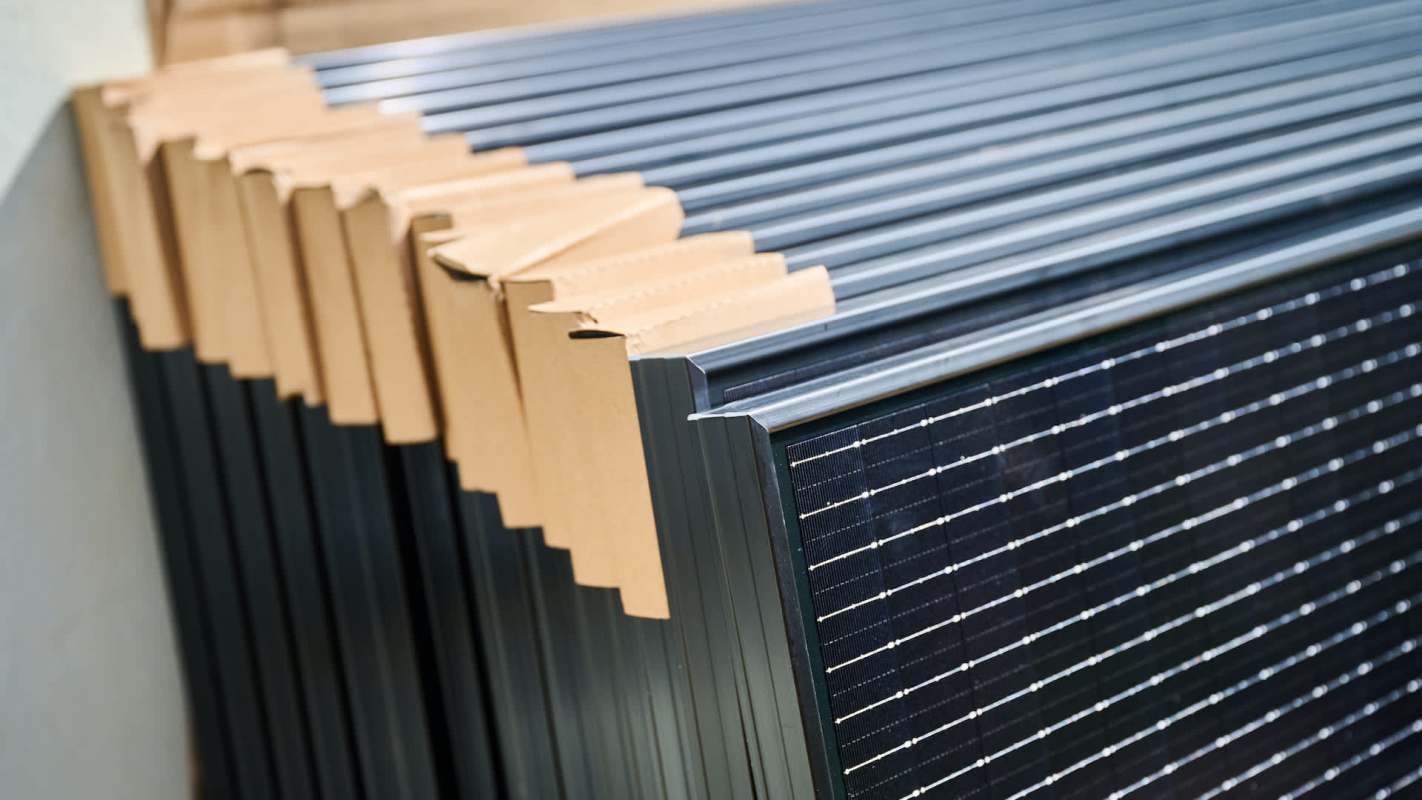
For one California shopper looking at rooftop solar for a home of about 1,200 square feet, the proposal posed a common problem that the cash quote looked one way, while the financing would cost something else entirely.
Here's what to know
In a Reddit post, the poster laid out a California cash offer for an 11-panel, 4.95-kilowatt solar system priced at $11,340. Meanwhile, the other offer was $95 a month for 25 years, which comes to $28,500 — more than double the quoted cash price.
Rolling the cost into a mortgage could spread the expense out differently, though the total cost would still depend on the loan's interest rate and repayment term.
The documents also said the system could not move into the permission-to-operate stage until the homeowner sent in a first utility bill, and that process "typically takes approximately 6–8 weeks once the application has been submitted."
Going solar is one of the best ways to save money on home energy, but only if homeowners understand both the equipment costs and the financing details. For anyone comparing similar offers, exploring EnergySage can help you get free solar installation estimates and compare quotes.
More background
People commenting on the thread reportedly described the cash price as competitive, while also warning that California homeowners may get very little value for excess electricity sent back to the grid unless they add battery storage.
The value of a solar system is shaped by more than its purchase price; it also depends on how much of the electricity a household can use directly.
That is especially relevant in California, where rooftop solar economics can vary significantly depending on utility policies, household energy habits, and whether someone is home during peak production hours.
Save $10,000 on solar panels without even sharing your phone number Want to go solar but not sure who to trust? EnergySage has your back with free and transparent quotes from fully vetted providers that can help you save as much as $10k on installation. To get started, just answer a few questions about your home — no phone number required. Within a day or two, EnergySage will email you the best local options for your needs, and their expert advisers can help you compare quotes and pick a winner. |

A smaller house does not automatically mean a smaller or less effective solar setup, since solar needs are tied more closely to electricity use than to square footage alone.
Even after panels are installed, savings do not necessarily begin right away. Delays related to utility approval can push back system activation for weeks.
What can be done?
Shoppers comparing solar offers can ask for the full cost under every scenario: cash price, financed total, interest rate, loan term, and any assumptions tied to energy savings.
A low monthly payment can make an offer look more appealing than it really is, while masking a much higher lifetime cost.
More From EnergySage
💡Go deep on the latest news and trends shaping the residential solar landscape
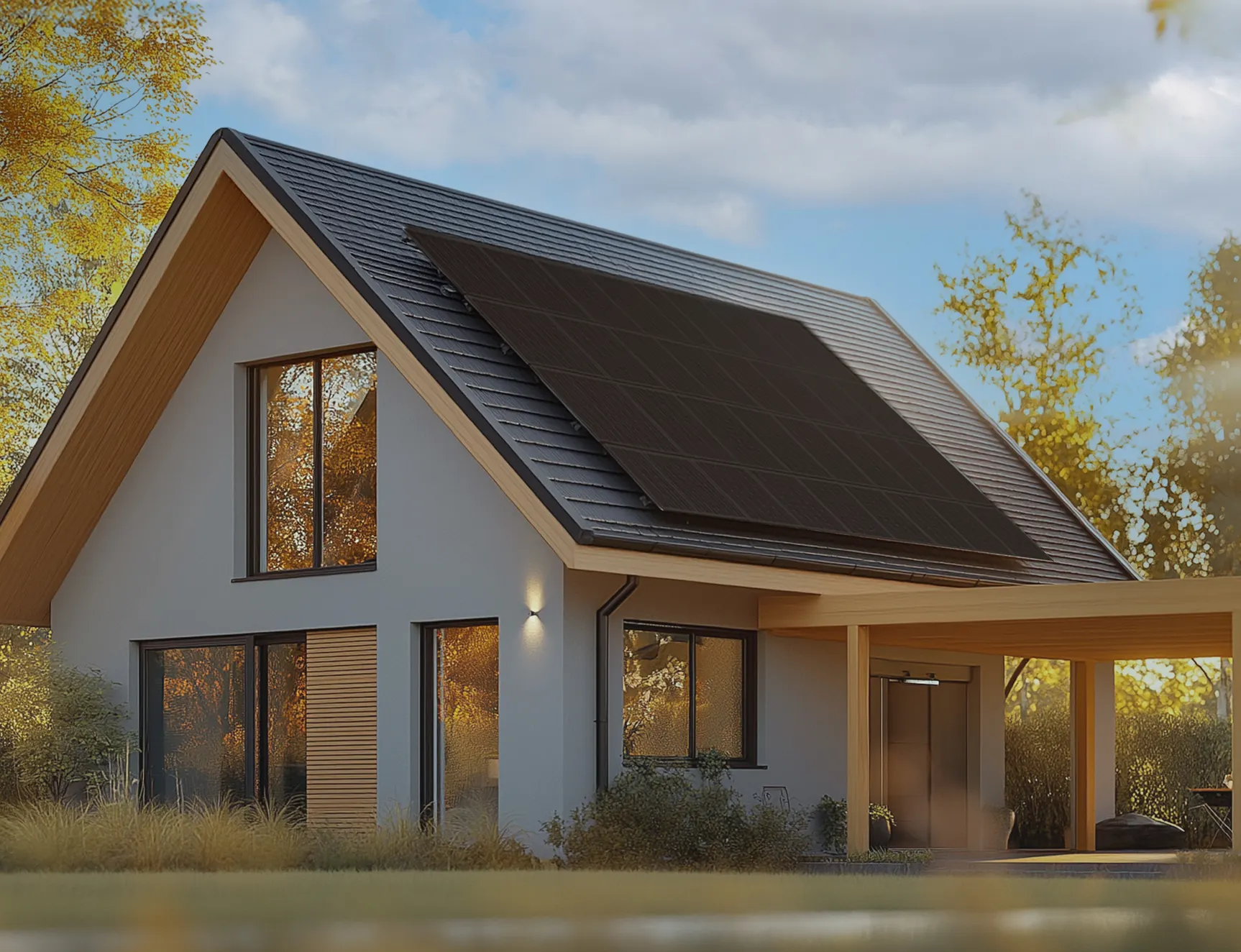
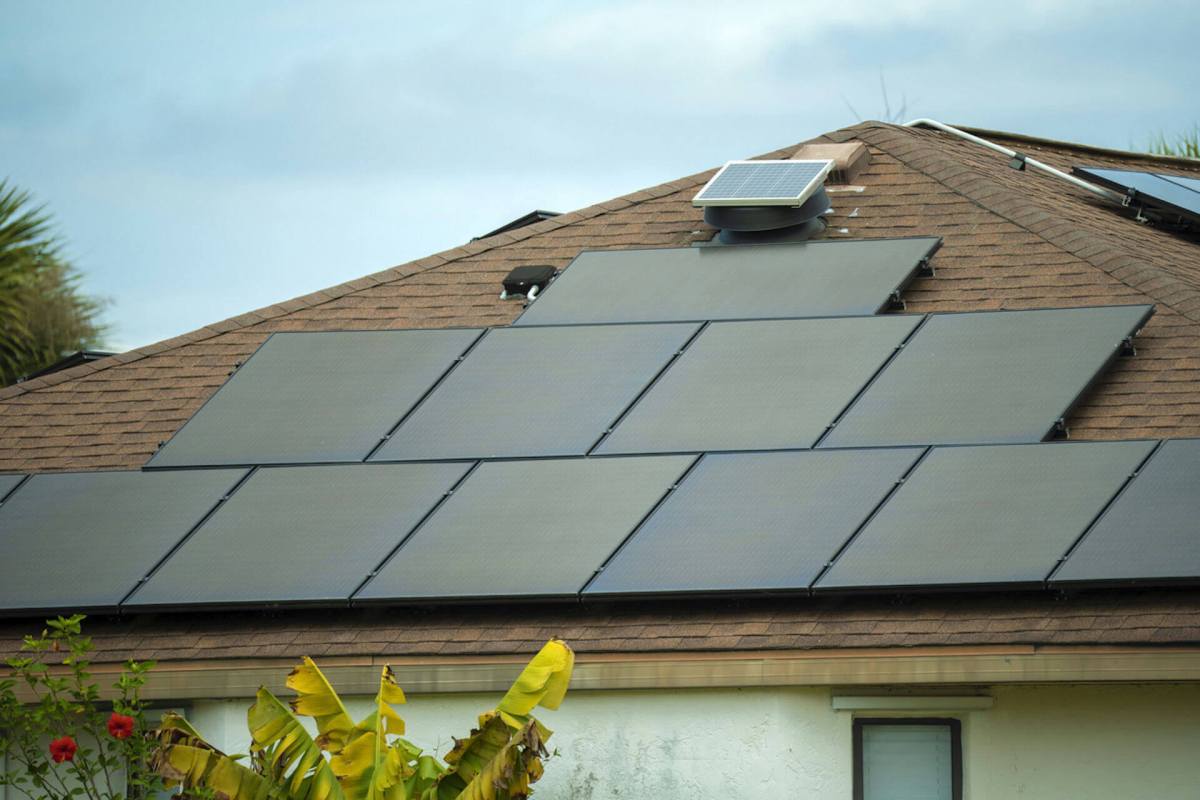

Free comparison tools can make that process much easier. With EnergySage's help, the average person can save up to $10,000 on solar purchases and installations. EnergySage's solar map shows the average cost of a home solar panel system on a state-by-state level, as well as details on solar panel incentives for each state. Together, these resources can help homeowners get the best price for rooftop solar panels and access available incentives.
Adding battery storage to a solar setup is one of the best ways to protect your home during outages, save money on energy, and go off-grid. It can also help homeowners keep more of their solar power instead of sending it back to the grid at a low value. Homeowners can explore EnergySage for information about home battery storage options, including competitive installation estimates.

Get TCD's free newsletters for easy tips, smart advice, and a chance to earn $5,000 toward home upgrades. To see more stories like this one, change your Google preferences here.