


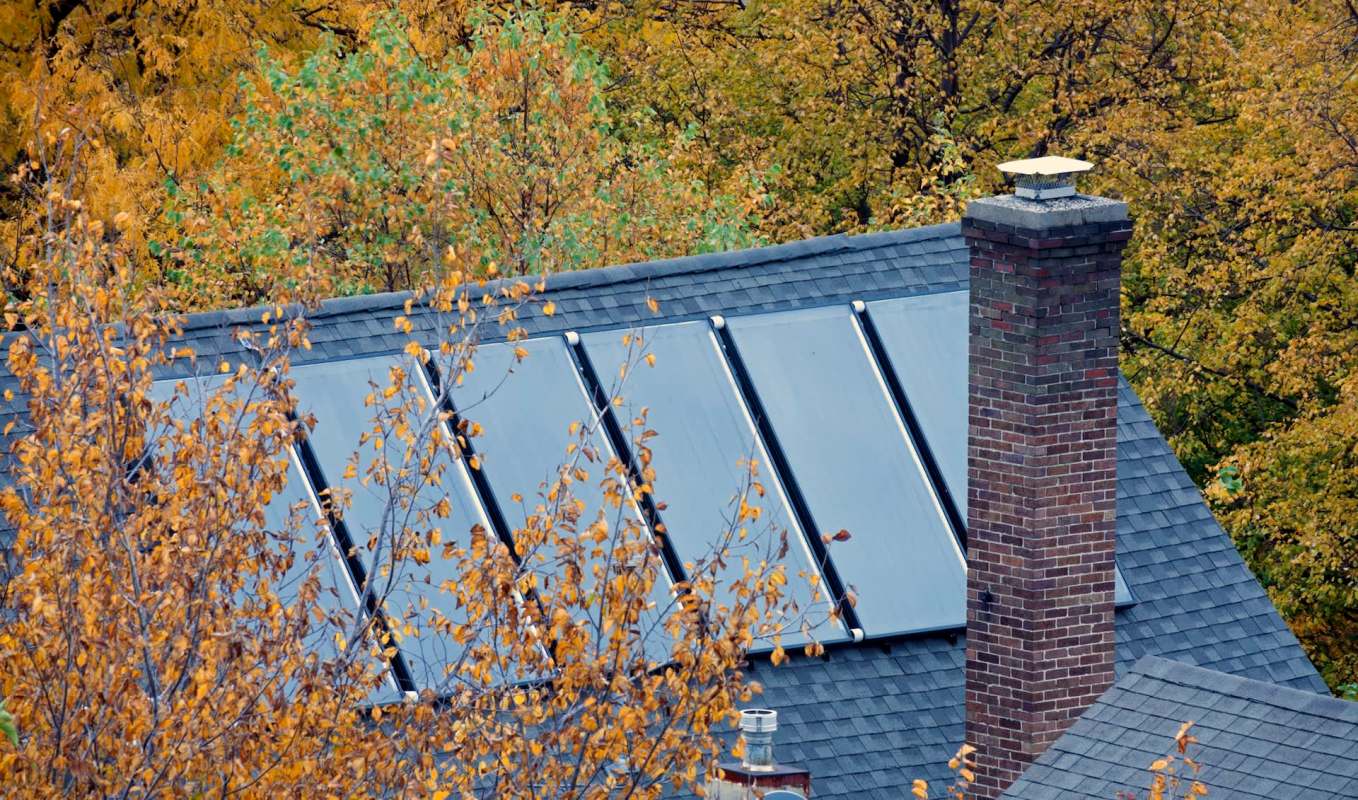
A Chicago-area homeowner was sticker-shocked after receiving a $37,000 quote for a 28-panel rooftop solar system.
But after Illinois incentives were factored in, the projected net cost fell to $17,619, sparking a lively online debate.
What happened?
On Reddit, the Chicago-area homeowner posted details of a quoted 12.32-kilowatt system featuring Tier 1 GSTAR 440W bifacial black panels and Enphase IQ8HC micro-inverters.
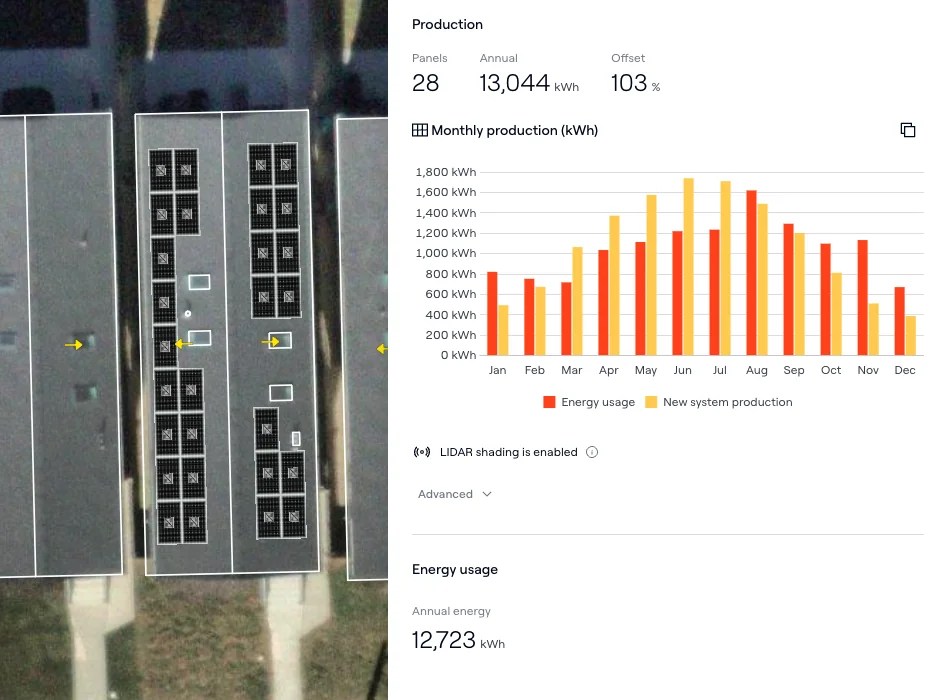
The quote put the installation at $37,000 before incentives, with about $15,685 in Illinois Shines SRECs and a $3,696 ComEd DG rebate listed in the post.
The poster said the price came in above expectations, writing, "This is definitely a bit higher than I expected."
The same post said the home used 12,723 kilowatt-hours last year and included "an EV that I charge at night."
Discussion in the thread focused on both the quote itself and the state's utility rules.
Among the replies were, "How many other quotes did you get? I assume good net metering?" and "You are being charged $3 PPW which is high."
Save $10,000 on solar panels without even sharing your phone number Want to go solar but not sure who to trust? EnergySage has your back with free and transparent quotes from fully vetted providers that can help you save as much as $10k on installation. To get started, just answer a few questions about your home — no phone number required. Within a day or two, EnergySage will email you the best local options for your needs, and their expert advisers can help you compare quotes and pick a winner. |

Why does it matter?
The upfront cost of solar can be daunting, even when rebates and monthly utility savings make the math more favorable.
In states such as Illinois, incentives can meaningfully reduce installation costs, making the technology more accessible to everyone.
Going solar is one of the best ways to save money on home energy over time, and homeowners curious about pricing can use EnergySage's free tools to get quick solar installation estimates and compare quotes.
What can I do?
Readers can also use EnergySage's solar map, which shows the average cost of a home solar panel system on a state-by-state level, as well as details on solar panel incentives for each state. Together, these resources can help readers get the best price for rooftop solar panels and access available incentives.
More From EnergySage
💡Go deep on the latest news and trends shaping the residential solar landscape


EnergySage's free services can be especially helpful because solar quotes can vary widely from one installer to another. With EnergySage's help, the average person can save up to $10,000 on solar purchases and installations. That kind of comparison shopping can make it easier to determine whether a quote is competitive or inflated.
By storing excess daytime electricity for later use, batteries can make a solar setup more flexible and useful after sunset. Adding battery storage to a solar setup is one of the best ways to protect your home during outages, save money on energy, and go off-grid. Homeowners can explore EnergySage's free tools for information about home battery storage options, including competitive installation estimates.

Get TCD's free newsletters for easy tips, smart advice, and a chance to earn $5,000 toward home upgrades. To see more stories like this one, change your Google preferences here.






